



A move can fall behind before the truck even arrives. A narrow driveway, missing lift booking, oversized sofa or poorly packed boxes can add hours to the job and put your belongings at risk. Choosing the right Werribee furniture removalist means getting clear answers early, preparing the property properly and booking a crew equipped for the work you actually need.
For households moving around Werribee, Point Cook, Tarneit, Hoppers Crossing or wider Melbourne, the best result is rarely about finding the lowest headline rate. It is about reliable people, suitable truck space, careful handling and a plan that prevents last-minute surprises.
What a Werribee furniture removalist should handle
Furniture removal is more than loading boxes into a truck. A professional crew should assess the size of the move, protect key items, load the vehicle in a safe order and place furniture where it belongs at the new address. That includes the practical work people often underestimate, such as wrapping timber pieces, securing mattresses, protecting glass and moving bulky items through tight access points.
The service you need depends on your home and how much preparation you can do yourself. A small unit move may only require a two-person crew and a suitably sized truck. A family home with multiple bedrooms, outdoor furniture, appliances and a garage can need more people, more truck capacity and a longer booking window.
It is worth discussing any items that are unusually heavy, fragile or awkward before you confirm the job. Pianos, pool tables, large mirrors, stone tables, gym equipment and antique furniture all need specific handling methods. They should never be treated as standard household items simply because they fit through the front door.
Start with access, not just furniture
Access is one of the biggest factors affecting a removal job. Tell your removalist about every point where the crew or truck may be delayed: stairs, lifts, basement car parks, long carries from the door, steep driveways, narrow hallways and limited parking.
For apartments and townhouses, check whether the building requires a lift reservation, loading-bay booking or certificate of insurance. Some buildings restrict moving times or require protective coverings in common areas. Sorting this out a few days before moving day is far easier than trying to negotiate with building management while your crew is waiting downstairs.
At the new property, make sure there is a practical place for the truck to park. If the street is busy, consider whether a neighbour, body corporate or local parking rules may affect access. Clear paths from the entrance to the main rooms and keep children and pets safely away from loading areas.
A detailed access conversation also supports more accurate pricing. Hourly pricing can suit straightforward local moves, but the final time can change if access is harder than described. For interstate relocations or more complex work, a fixed-price quote may provide greater certainty, provided the inventory and access details are complete.
Choose the service level that matches your move
Not every move needs a full packing team. If you have time, you may prefer to pack personal items yourself and book professional removalists for furniture, appliances and heavy boxes. This can reduce labour time, but only if your boxes are strong, labelled and ready to load when the crew arrives.
Packing support is a practical option when time is tight, you are moving with children, or you have fragile items that need extra protection. Professional packers can prepare kitchenware, artwork, glassware and other breakables using suitable materials. Unpacking can also be useful when you need the home functioning quickly rather than living around cartons for weeks.
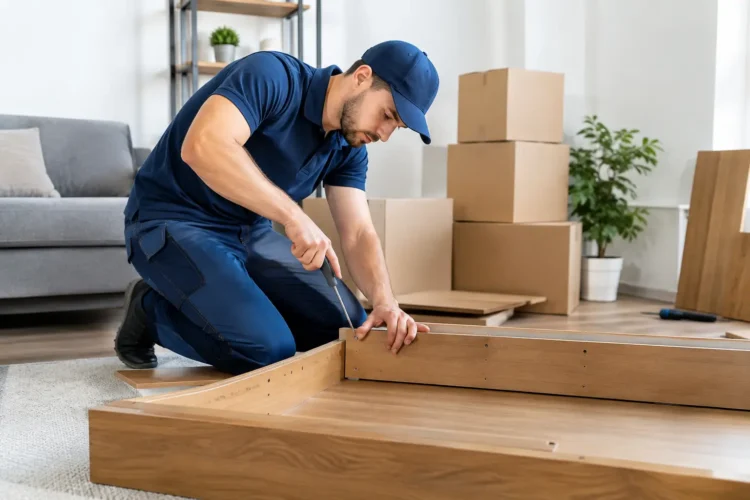
Dismantling and reassembly should be discussed in advance as well. Bed frames, modular lounges, desks and large wardrobes may need to come apart to move safely. Let the crew know if the furniture has complex fittings, if assembly instructions are available, or if there are existing faults. Clear information protects everyone from misunderstandings later.
How to compare removalist quotes properly
A cheap quote is only useful if you understand what it covers. Ask whether the estimate includes the right number of removalists, the truck size, travel time, fuel charges, stairs, packing materials and any specialist-item fees. If a quote is based on hourly rates, ask about the minimum booking period and how time is calculated.
You should also confirm the company’s insurance arrangements and procedures for handling accidental damage. No moving company can remove every risk from a relocation, particularly with fragile or high-value items, but a professional operator should be open about its coverage, safety practices and claims process.
Be cautious of vague estimates that do not ask about your inventory or property access. An accurate quote requires enough information to plan the crew, vehicle and time. A removalist that asks sensible questions is usually trying to prevent problems, not make the booking difficult.
At Blaze Removals, the focus is on practical service packages, trained crews and clear communication so customers can choose the level of support that suits their move. Whether you need furniture transport only or help from packing through to placement, the job should be planned around your property and belongings.
Prepare your home for moving day
Good preparation makes the crew faster and helps protect your belongings. Finish packing before the removalists arrive wherever possible, and avoid leaving loose items in drawers, cupboards or on top of furniture. Pack a separate essentials bag with medications, chargers, keys, important documents, toiletries and enough clothes for the first night.
Use sturdy cartons and do not overload them. Books and tools belong in smaller boxes, while linen and lighter household items can go into larger ones. Label each carton with the destination room and a short description of what is inside. Mark fragile boxes clearly, but do not assume a label replaces proper internal packing.
Before loading starts, take photos of valuable items and note any existing marks on furniture. Empty and defrost fridges and freezers in advance, disconnect appliances where required, and check that washing machines are drained and prepared for transport. Keep remotes, screws, cables and small fittings in labelled bags rather than taping them loosely to furniture.
You can save time at the destination by deciding where large pieces will go before the truck arrives. Measure doorways, stairwells and the intended room for bulky furniture. A couch that fitted in the old lounge may not turn the corner at the new place. Measuring early gives you time to decide whether an item should be dismantled, moved through another entrance or left out of the move.
Avoid the common delays that cost more
The most frustrating moving-day delays are usually avoidable. Boxes that are still being packed, parking that has not been organised, unmentioned stairs and furniture that needs dismantling all slow the crew down. So do last-minute decisions about what is coming and what is staying.
Do a final walk-through the day before. Separate items that are not being moved, dispose of unwanted rubbish and check storage spaces, sheds, wardrobes and the garage. If you are moving from a rental, leave cleaning and key handover time in your schedule rather than assuming the removal job will finish at a precise minute.
Communication matters if plans change. Let your removalist know as soon as possible if settlement times move, lift access is delayed, extra items are added or weather affects the property. Early notice gives the team a better chance to adjust the plan and keep the move under control.
A well-run move is not about rushing furniture out the door. It is about having the right crew, the right information and enough time to do the job safely. Give your removalist an honest picture of the move, prepare the access points and ask direct questions before booking – that is how moving day stays manageable.