


A move can look straightforward until the sofa will not clear the doorway, the dining table needs dismantling, and settlement time is closing in. Point Cook furniture removals need more than a truck and a few spare hands. They need a clear plan, careful lifting and movers who know how to keep the day moving.
Whether you are leaving an apartment near the town centre, moving into a family home or relocating a small business, the aim is the same: get your furniture from A to B safely, on time and without unnecessary surprises.
What furniture removals actually involve
Furniture removals are not just about loading large items onto a vehicle. A proper removal service considers access at both properties, protects the items being moved, secures the load for transport and places furniture where it belongs at the new address.
The work often begins before moving day. Measuring bulky items, checking stairwells, lifts, driveways and parking access can prevent delays that cost time and create stress. A king bed, modular lounge or large fridge may need to be dismantled or handled with specific equipment. It is far better to identify that early than when the truck is waiting outside.
For many households, the heaviest pieces are also the most valuable or awkward. Timber dining settings, glass cabinets, antique furniture and entertainment units all need different handling. Wrapping, padding and correct stacking are practical safeguards, not optional extras.
Planning Point Cook furniture removals properly
Point Cook has a mix of newer estates, townhouses, apartments and established homes. That variety affects the plan for a move. Some properties have generous driveways and direct garage access. Others involve narrow passages, stairs, visitor parking rules or tight loading areas.
Start by making an honest inventory of what is going. Include furniture in the garage, shed, balcony and spare room, not only the pieces used every day. This helps determine the right truck size, crew size and time allowance. Underestimating the job is one of the quickest ways to turn an affordable move into a longer, more expensive day.
It also pays to decide what will not be moving. Selling, donating or responsibly disposing of unwanted furniture before the removal date reduces volume and gives you a cleaner start in the new place. Do not leave this until the last night unless you are certain you have the time and transport to manage it.
Access information matters
Give your removalist the details that change the job: stairs, lift bookings, difficult driveways, long carries from the front door, low-clearance car parks and restricted parking. If the building requires a certificate of currency or a booked loading bay, organise it in advance.
For a house move, keep a clear path between the home and the truck. Move pot plants, bikes, boxes and loose outdoor items away from walkways. If weather is expected, have towels or protective coverings ready near entry points to help keep floors clean and safe.
Choose a service that matches the move
There is no single right removal package for every household. A renter moving a one-bedroom apartment may need a smaller crew and truck, while a four-bedroom home with a garage, outdoor setting and large appliances needs more capacity. The cheapest hourly rate is not always the lowest overall cost if the vehicle is too small or the crew is not equipped for the work.
Ask what is included in the service. Confirm whether the team can dismantle and reassemble standard furniture, provide wrapping or packing materials, move appliances and handle difficult access. If you have a piano, pool table, oversized artwork or a particularly heavy item, say so when requesting a quote. Specialty items need the right equipment, handling method and time allowance.
Clear pricing is equally important. You should understand the hourly rate or fixed price, minimum booking period, travel charges and any extra costs that may apply for stairs, long carries or specialised work. A professional provider will explain the scope rather than leaving you to guess what the final invoice may look like.
Prepare furniture before the truck arrives
A few practical jobs make moving day safer and faster. Empty drawers where possible, especially from tallboys, cabinets and desks. Loose contents add weight and can shift during lifting. Remove fragile decorations, mirrors and glass shelves, then pack them separately with suitable protection.
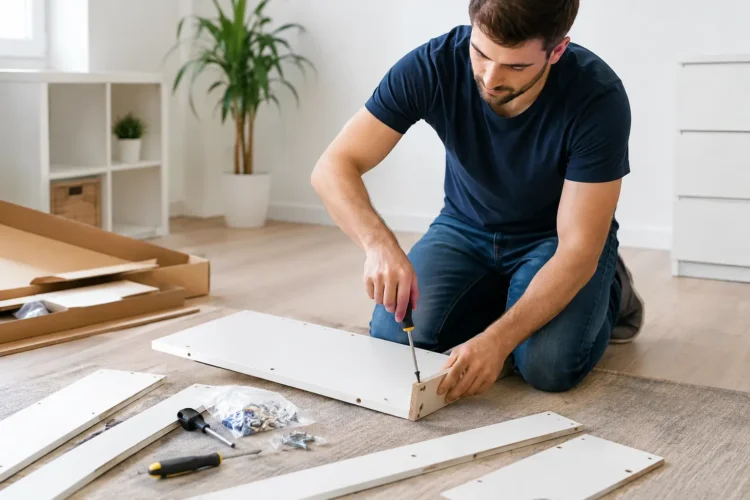
Take apart simple furniture only if you know it can be reassembled correctly. Keep screws, bolts and fittings in labelled bags and tape them to the relevant item or place them in one clearly marked essentials box. Photograph complex assemblies before dismantling if that will help later.
Appliances need their own preparation. Defrost the fridge in advance, drain washing machines and disconnect appliances safely according to manufacturer instructions. Removalists can transport these items, but electrical, gas and plumbing disconnection should be completed by the appropriate qualified person where required.
Keep personal essentials with you rather than in the truck. Documents, medication, jewellery, keys, chargers, wallets and a change of clothes are best carried in your own vehicle. That gives you what you need if unpacking takes longer than expected.
Protecting your furniture in transit
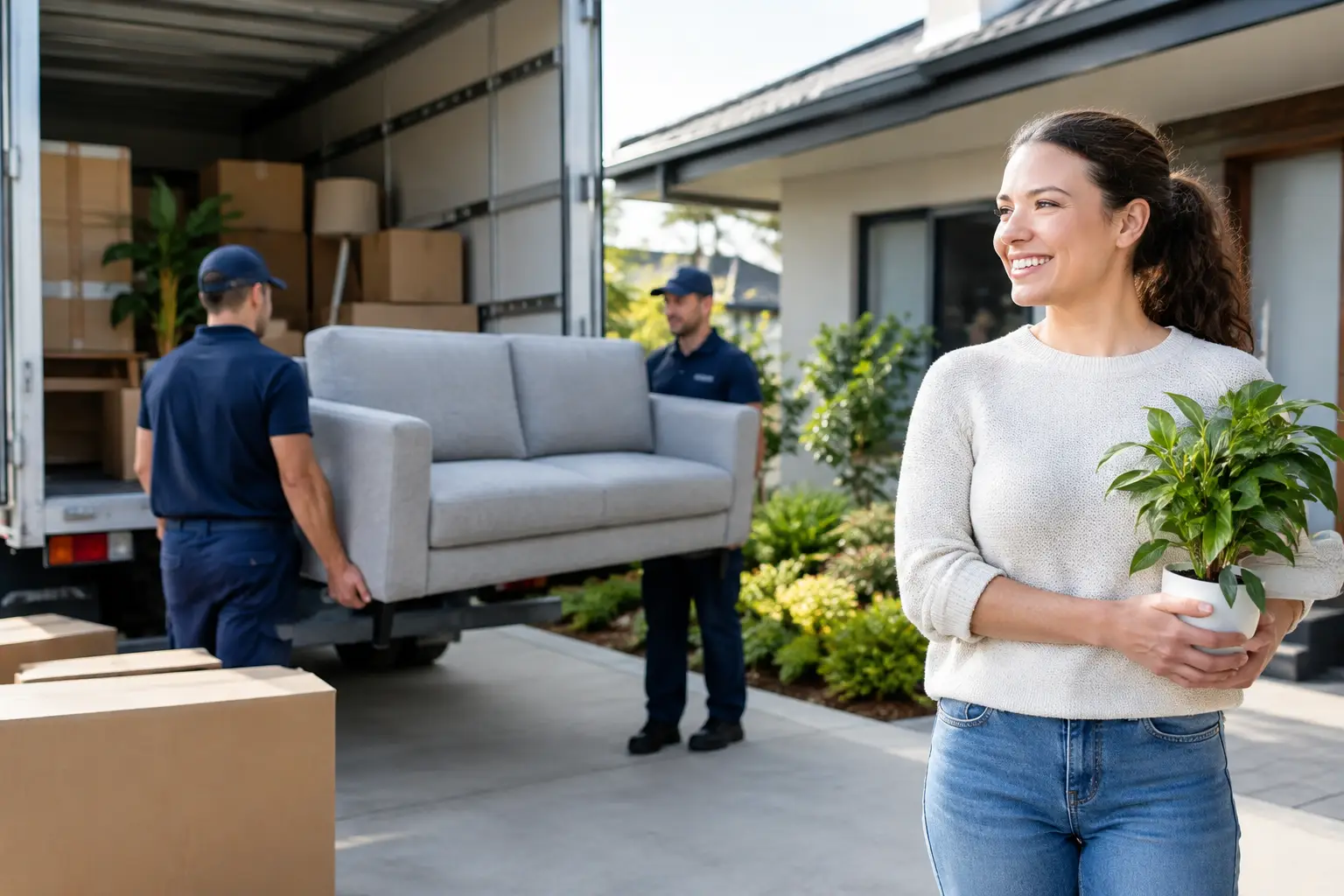
Good handling is a combination of trained technique and preparation. Furniture should be wrapped or padded where needed, carried with appropriate lifting methods and secured inside the truck to limit movement. Mattresses, lounges, timber pieces and glass items should not be treated as general cargo.
It is also worth checking insurance arrangements before booking. Removalists may have insurance cover, but the level and conditions can vary. Ask what is covered, whether exclusions apply and whether additional transit cover is appropriate for your belongings. This is particularly relevant for high-value furniture, artwork and items with existing damage.
Before loading begins, take quick photos of valuable pieces. The purpose is not to expect a problem. It is a sensible record of condition and helps everyone communicate clearly if a concern arises.
Moving day: keep the crew working efficiently
When the removal team arrives, walk them through the property and point out items that need extra care. Mention any furniture that is not going, any access hazards and where you would like key items placed at the new address. A short briefing prevents repeated questions later in the day.
Avoid packing boxes around the crew while heavy lifting is underway. Keep children and pets in a safe, separate area, and make sure walkways remain clear. If you have labelled rooms on boxes and furniture, unloading becomes much more organised. A label such as “main bedroom” is more useful than “upstairs”, particularly if there are multiple bedrooms or a split-level layout.
At the new home, decide the position of large furniture before it comes off the truck. Moving a heavy sideboard twice is avoidable. Place beds, lounges, dining tables and major storage pieces first, then work through boxes and smaller items.
A practical choice for home and business moves
Furniture removals can be a household job, an office relocation or part of a larger interstate move. The right approach depends on the volume, access, timing and level of support you need. Packing and unpacking assistance can be worthwhile when work, family commitments or a tight settlement window leave little room to manage every detail yourself.
Blaze Removals provides residential and commercial moving support for customers who want trained handling, transparent service options and practical help from packing through to placement. The focus should always be on doing the work safely and keeping the move accountable from the first quote to the final item.
If your move date is fixed, book early and provide accurate information from the start. A well-planned removal gives the crew the right tools, the right vehicle and the best chance of getting you settled without the usual moving-day chaos.