



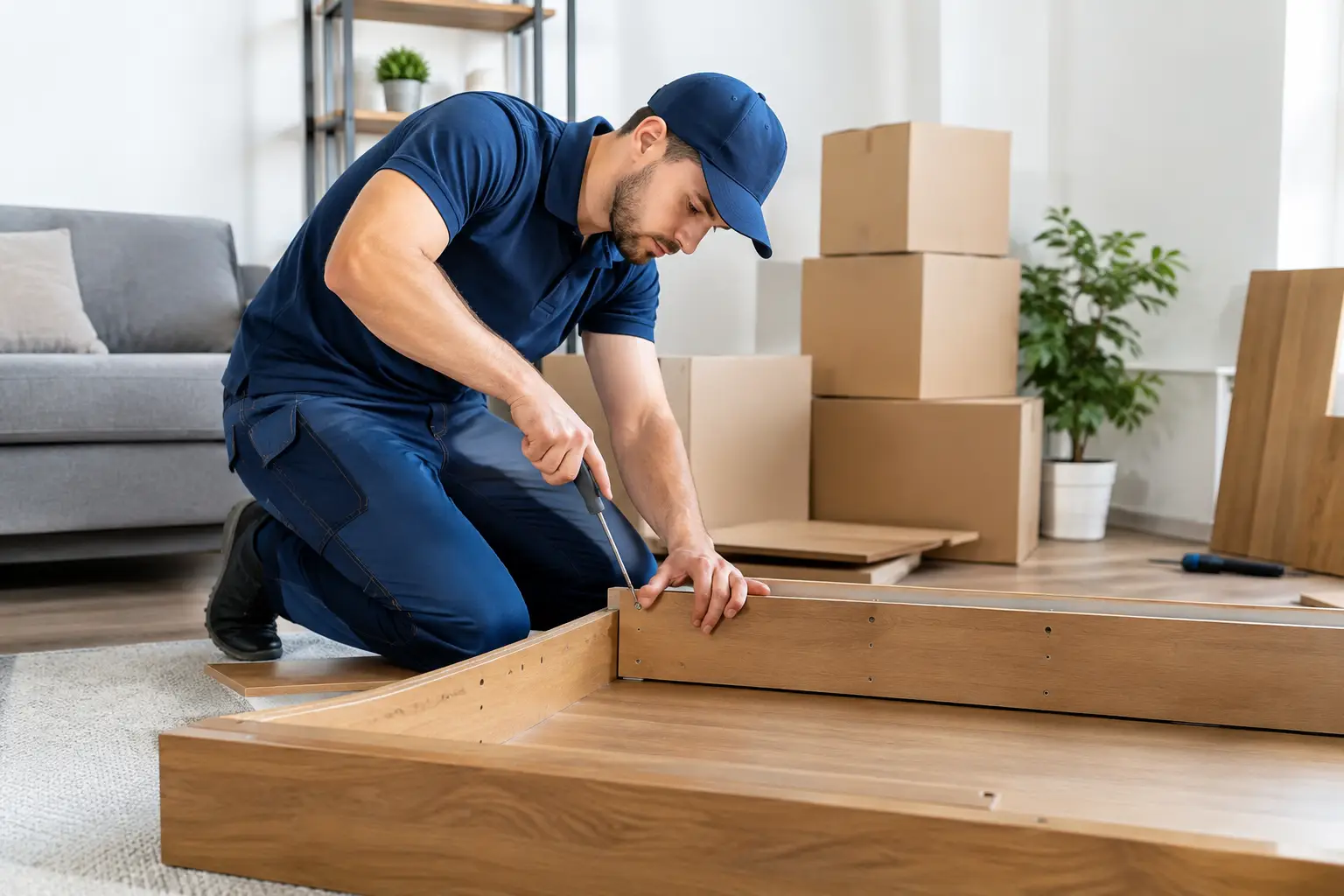
A dining table with loose legs is one thing. A flat-pack wardrobe with missing screws, no instructions and three moving boxes piled on top is another. So, do removalists assemble furniture? Often, yes – but it depends on what was agreed in your quote, the type of furniture involved and whether assembly can be completed safely within the booked time.
For most Melbourne moves, professional removalists can dismantle larger items before transport and reassemble them at the new address. This can save time, prevent damage in doorways and stairwells, and make moving day far less stressful. The key is to tell your moving company exactly what needs doing before the truck arrives.
Do removalists assemble furniture as standard?
Furniture assembly is not automatically included in every removal service. A standard move generally covers loading, transport and unloading. If a bed frame, dining table or modular lounge needs to come apart to be moved safely, removalists may dismantle it as part of the job or offer it as an added service.
Reassembly at the destination should never be assumed. Some movers include basic reassembly in certain packages, while others charge for the extra labour because it extends the job. That is fair enough: assembling furniture takes time, requires the right tools and can affect the number of removalists needed on site.
The practical answer is simple. Ask for dismantling and reassembly to be written into your quote. That gives the crew clear instructions and gives you a realistic price before moving day.
What removalists can usually dismantle and reassemble
Experienced removalists regularly handle furniture that is designed to be taken apart for transport. Bed frames are the most common example, particularly queen and king beds that will not fit through narrow hallways or apartment lifts when assembled. Dining tables with removable legs, office desks, modular lounges and some wardrobes may also be suitable.
Basic reassembly means returning an item to a stable, usable condition after delivery. For a bed, that may involve rebuilding the frame and placing the mattress on top. For a desk, it may mean reconnecting the legs and positioning it in the requested room.
Flat-pack furniture is more dependent on its condition. A solid unit that was recently assembled, has all fittings and can be safely moved may be fine. Older particleboard furniture, especially pieces that have already been assembled and disassembled several times, can weaken around screws, dowels and cam locks. Taking it apart again may cause damage that no removalist can reasonably prevent.
Furniture that is built into a wall, wired into the property or connected to plumbing is a different job. Removalists do not replace licenced tradespeople. Wall-mounted televisions, fixed shelving, hardwired appliances, gas connections and plumbing fittings need the appropriate professional where required.
Why furniture is sometimes better moved in pieces
Trying to carry a fully assembled item through a tight space can damage both the furniture and the property. Table corners catch on door frames. Tall wardrobes can scrape ceilings. Bed heads can be difficult to manoeuvre around a staircase or through an apartment corridor.
Dismantling can reduce those risks and make loading more efficient. It may also create more usable space in the truck, which matters on larger household moves and office relocations.
There is a trade-off. Disassembly and reassembly add labour time. If you are on an hourly local moving rate, that extra time affects the final cost. If an item is fragile, poorly made or missing hardware, the crew may recommend moving it intact where possible or may explain that it cannot be safely reassembled. A professional team will make that call based on access, condition and safety – not guesswork.
Tell your removalists before moving day
Last-minute surprises are where moving days lose time. A removalist arrives expecting boxes and standard furniture, then finds two king beds, a large wardrobe and an office workstation that all need dismantling. The work may still be possible, but the crew may not have allowed enough time, tools or labour in the booking.
When requesting a quote, provide a clear list of items that need attention. Photos are helpful for unusually large furniture, flat-pack wardrobes, antique pieces and office desks with cable trays. Also mention difficult access such as stairs, lifts, narrow doorways, limited parking or a long carry from the truck to the front door.
You should also confirm whether you want the furniture rebuilt in a particular room. It is much easier to assemble a bed in the bedroom than to build it in the lounge room and try to manoeuvre it later.
How to prepare furniture for dismantling and assembly
A little preparation protects your belongings and keeps the move moving. Empty drawers, cupboards and shelves unless your removalist has advised otherwise. Remove loose glass, detachable shelves and personal items from furniture before the crew arrives.
Keep instruction manuals if you have them, particularly for flat-pack items. Put spare screws, bolts and brackets into labelled bags rather than loose boxes. If you dismantle anything yourself before moving day, tape the labelled hardware bag securely to the relevant furniture piece or carry it with your essentials.
For beds, wash and pack bedding separately. For desks and entertainment units, disconnect electronics, label cables and back up any important work files before the move. Removalists can move the furniture, but preparing devices, internet equipment and personal data remains your responsibility.
Do not tape directly onto polished timber, fabric or delicate finishes. Tape can lift veneer, leave residue or mark upholstery. Good removalists use protective blankets and wrapping materials, but identifying delicate surfaces in advance is always worthwhile.
Assembly, insurance and damage responsibilities
Professional handling reduces risk, but no move is completely risk-free. Furniture can have hidden weaknesses, existing damage or fittings that fail when weight is applied. That is particularly common with older flat-pack units and items that have been exposed to moisture.
Before the move, take photos of valuable or delicate furniture and point out existing marks to the crew. Ask what cover applies to your booking and whether there are exclusions for items that are not structurally sound, self-assembled or poorly maintained. Clear information protects everyone.
It is also sensible to check that assembled furniture is stable before placing heavy items on it. A removalist can reassemble an item correctly based on the parts provided, but missing bolts, warped panels or damaged fittings may prevent a safe result. In that case, the right decision may be to leave the item disassembled until replacement hardware is available.
When professional assembly is worth adding
Furniture assembly is most worthwhile when it removes a genuine moving-day obstacle. Large beds, bulky desks, modular furniture and items that cannot safely pass through access points are strong candidates. It is also useful for busy families, renters working to a key-return deadline and businesses that need workstations ready after an office move.
For a small side table or a simple chair, you may prefer to handle it yourself once the move is complete. For a large wardrobe with dozens of fittings, asking the removal team to manage the job can be more practical – provided the service is agreed before the booking.
Blaze Removals can help customers plan furniture dismantling and reassembly as part of a tailored move, alongside packing, transport and careful placement at the new address. The best result starts with an accurate inventory and a straight conversation about what needs to be done.
Moving day is easier when there are no assumptions. Flag the furniture that needs attention, keep its fittings together and make sure assembly is included in the quote. Then your crew can arrive prepared to get the heavy work done properly, while you focus on making the new place feel like home.