



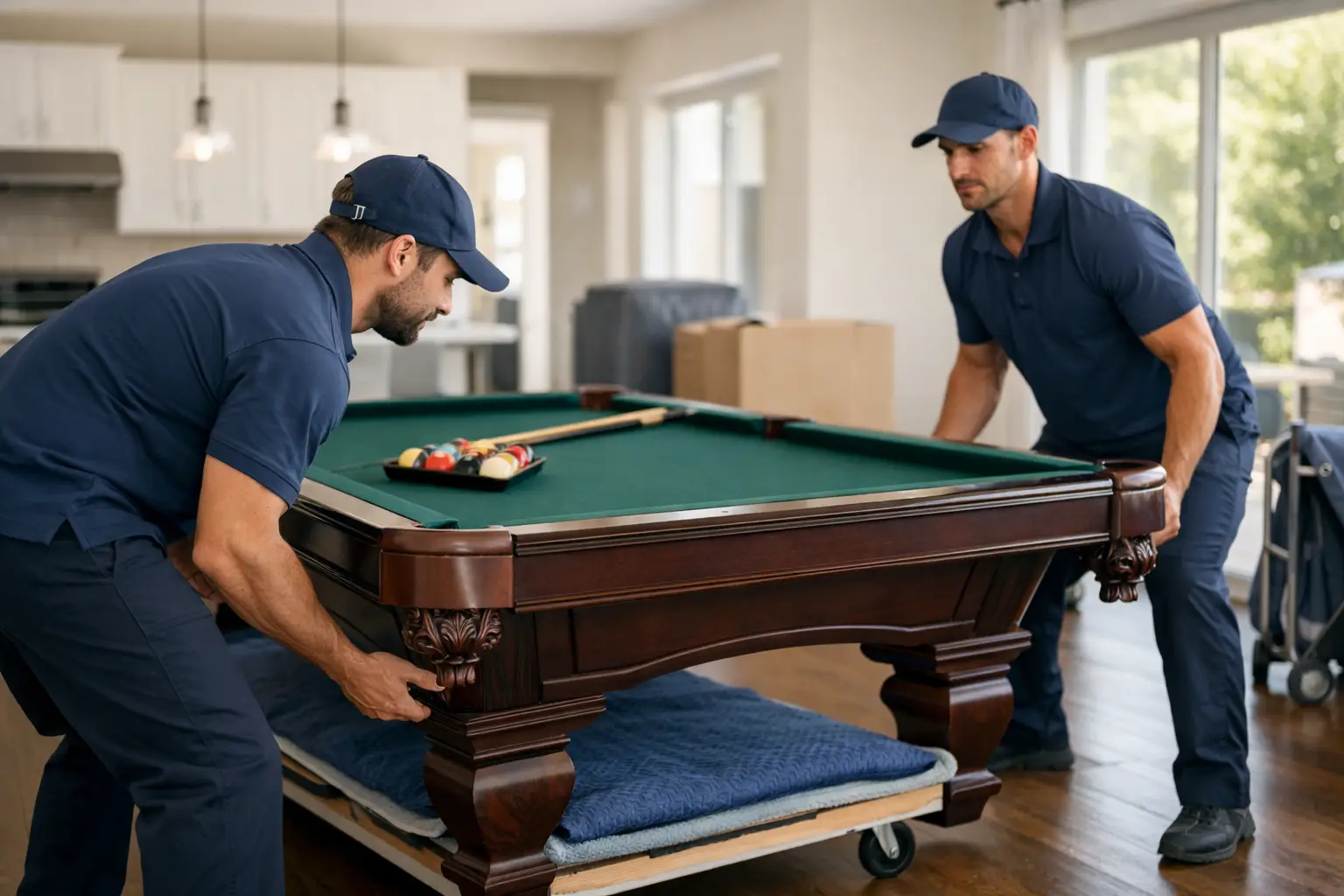
A pool table can weigh anywhere from a few hundred kilos to well over half a tonne, and that changes the job completely. If you’re hiring a pool table removalist, you’re not booking a basic furniture move. You’re paying for careful dismantling, safe lifting, proper transport and a setup process that protects both the table and the property.
That matters because pool tables are awkward, heavy and easy to damage in the wrong hands. The slate can crack, the frame can twist, and even a small mistake during reassembly can leave the table out of level. What looks like a straightforward move can quickly turn into repairs, delays and extra cost.
Why a pool table removalist is different
A standard removal crew can shift lounges, beds and boxes all day without issue. A pool table is different because the weight is concentrated, the materials are unforgiving and the parts need to go back together accurately. It is not just about getting it through the door. It is about making sure the table is still playable once it reaches the new address.
Most quality tables are made with heavy slate, a timber frame, rails, felt and precise levelling points. In many cases, they need to be partially or fully dismantled before transport. If the legs are removed without proper support, or the slate is lifted unevenly, the table can be compromised before it even leaves the room.
That is why experience matters. A proper pool table removalist understands how the table is built, how to protect the slate, how to move through tight access points, and how to reassemble it so it performs as it should.
What the job usually involves
The first stage is assessment. Before moving day, the key question is not just how big the table is. It is whether the access is clean and practical. Stairs, narrow hallways, low ceilings, tight corners, uneven driveways and long carry distances all affect the plan.
From there, the table is prepared for transport. In many jobs, the balls, triangle and loose accessories are packed separately. Depending on the table design, the pockets, rails, legs and slate may also be removed. Each part needs protective wrapping, stable loading and secure placement in the truck.
Reassembly is where a lot of cheaper operators come unstuck. A table is not properly moved if it arrives scratched but standing, or if it looks fine but rolls badly. The final setup needs care. Levelling, frame positioning and slate alignment all make a difference.
How pricing really works
People often ask why moving a pool table costs more than shifting a dining table of similar size. The short answer is labour, risk and time. Pool tables are specialised items. They usually take more planning, more handling and more protection than standard furniture.
Pricing can vary based on the table size, weight and construction. A smaller MDF-based table is generally quicker and easier than a full-size slate table. Access also matters. A ground-floor move with wide entry points is a very different job from carrying slate down a narrow staircase in an older property.
Distance plays a role too, but not always in the way people expect. For local jobs across Melbourne, the biggest cost drivers are often labour time and complexity rather than kilometres alone. If dismantling and reassembly are included, that should be clearly stated up front so there are no surprises on the invoice.
When a cheap move becomes an expensive one
A low quote can be appealing, especially when you’re already paying for a full house move or office relocation. But with pool tables, the cheapest option is not always the most affordable. If the crew lacks experience, damage can happen fast.
The common problems are not subtle. Torn felt, chipped slate edges, broken rails, damaged floors, marked walls and tables that sit unevenly after setup are all signs the job was rushed or poorly managed. Once slate is damaged, repairs can be costly and sometimes not worth doing.
There is also the issue of liability. If a mover is unclear about insurance, handling procedures or what the service actually includes, that should raise questions. Specialty-item moving needs accountability, not vague promises.
Choosing the right pool table removalist
You do not need a long checklist. You need clear answers. Ask whether the team has direct experience moving pool tables, whether dismantling and reassembly are included, and how they protect slate and timber during transport.
It also helps to ask what information they need from you before quoting. A professional operator will usually want to know the table size, whether it is slate, the pickup and delivery access, and whether there are stairs or tight turns involved. If they can quote accurately with almost no details, be cautious.
Good service is usually straightforward. The process should be explained clearly, the pricing structure should make sense, and the crew should arrive prepared with the right equipment. That kind of professionalism saves time and stress on moving day.
Preparing for moving day
If your move includes a pool table, a little preparation goes a long way. Clear the room around the table so the team can work safely. Remove wall art, floor lamps or anything fragile near the access path. If the table is in a games room with limited space, make sure there is enough room for dismantling.
It is also worth checking the destination room before the truck arrives. Measure the access, confirm the floor is ready, and decide exactly where the table is going. Moving a pool table twice inside the same property is not ideal. The cleaner the plan, the faster the job.
If the move is part of a larger house relocation, make sure the pool table is treated as a separate service item rather than just another line on the list. It needs its own handling plan.
Residential and commercial moves are not the same
For homeowners and renters, the goal is usually simple – get the table moved safely without damage to the home. That means protecting floors, walls and door frames as much as the table itself. In double-storey homes or tighter suburban properties, access can be the hardest part of the job.
For commercial moves, timing often matters just as much as care. Bars, clubs, break rooms and entertainment venues may need the table relocated with minimal disruption. In those cases, planning, access coordination and efficient reinstallation are just as important as the transport itself.
A capable removal team should be able to handle both. The requirements are different, but the fundamentals stay the same: safe handling, proper equipment and a clear plan from start to finish.
Why local experience helps
Not every move is a straight run from one open driveway to another. In areas like Melbourne CBD, apartment access, loading zones and lift bookings can complicate what should be a simple job. In established suburbs, older homes may bring narrow hallways, tighter staircases or tricky entry points.
That is where local experience is useful. A removalist who works across Melbourne regularly is more likely to anticipate access issues, parking constraints and timing pressures before they become problems. It does not guarantee an easy move, but it usually means fewer surprises.
What a good result actually looks like
A successful pool table move is not just one where nothing breaks. It is one where the table arrives safely, the property is protected, the setup is handled properly and you are not left chasing answers afterwards.
That means the table should feel solid in place, the surface should be level, and the whole process should be clear from booking to delivery. If you are dealing with a full-service mover such as Blaze Removals, the real benefit is not only transport. It is having a team that can handle specialty items with the same practical, accountable approach as the rest of the move.
When you are trusting someone with a heavy, high-value item, the best choice is usually the one that takes the job seriously from the start. A pool table is built for years of use. Move it properly, and it stays that way.