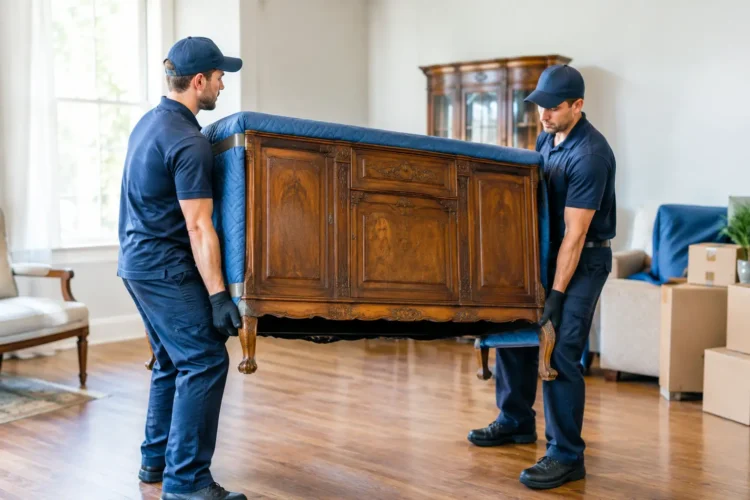




The truck is booked, the date is locked in, and then it hits you – the movers can only do their job fast if your place is actually ready for them. Knowing how to prepare for movers can save you time, cut down costs, and reduce the risk of damage, delays, or last-minute chaos.
A good move starts before anyone lifts a box. It starts with clear access, packed essentials, labelled cartons, and a realistic plan for what the movers are handling and what they are not. If you want the day to run properly, preparation is not optional.
How to prepare for movers without slowing the job down
The biggest mistake people make is assuming they can finish packing while the crew is on the way. That usually leads to higher hourly costs, confusion about what stays and what goes, and fragile items being packed in a rush. If you are paying for professional movers, you want them focused on lifting, loading, transporting, and protecting your furniture – not waiting while you sort through kitchen drawers.
Start by deciding exactly what is being moved. If you are downsizing, renovating, or doing a partial office relocation, separate the items staying behind well in advance. Put them in a clearly marked room, or label them with large notes that cannot be missed. The less guesswork on moving day, the smoother the job.
If you have booked a packing service, your preparation looks a bit different. You still need to sort, declutter, and identify anything high-value, fragile, or personal that needs special handling. Professional packing helps, but it does not replace decisions only you can make.
Pack before moving day, not during it
If you are handling your own packing, have it completed before the movers arrive. Every box should be taped properly, able to stack safely, and labelled on more than one side. Writing “misc” on ten boxes is not helpful. Labels should tell the crew where the box is going and whether the contents are fragile, heavy, or best kept upright.
Rooms are the easiest system. Kitchen, main bedroom, study, bathroom, garage. Keep the language simple and consistent. If the destination property has multiple levels, label that too. Upstairs main bedroom is better than just bedroom.
Be careful not to overpack cartons. Heavy books in a giant box sound efficient until the bottom gives way or the box becomes unsafe to carry. Use smaller boxes for dense items and larger cartons for lighter things like linen, cushions, or clothing.
There is also a practical limit to what movers can safely transport if it is packed poorly. Open-top bags, supermarket boxes, and damaged cartons create problems. If you want your belongings protected in transit, the packing method matters.
What to leave out for yourself
One of the smartest parts of learning how to prepare for movers is knowing what not to load straight away. Set aside an essentials bag or carton for the first 24 hours. That should include chargers, medications, basic toiletries, a kettle, tea or coffee, toilet paper, pet supplies, important documents, and a change of clothes.
If you have young kids, keep snacks, favourite toys, and anything needed for bedtime separate. If you are moving with pets, keep them secure and away from open doors. A moving day with animals underfoot is stressful for everyone and can become a safety issue fast.
Valuables should stay with you where possible. That includes passports, jewellery, laptops, cash, legal papers, and sentimental items that are difficult or impossible to replace. Professional movers take care with your goods, but some items are simply better kept in your own vehicle.
Get access sorted before the truck arrives
Access issues are one of the most common reasons a move takes longer than expected. Narrow driveways, apartment lifts, limited parking, building rules, and long carry distances all affect timing and cost. If there is anything unusual about either property, tell the moving company before the day.
For apartment and unit moves, book the lift if required and confirm any move-in windows with building management. Check whether there are loading zones, height restrictions, stair-only access, or protective requirements for common areas. It is much easier to solve those issues two days earlier than two minutes before the truck pulls up.
For houses, make sure the driveway is clear, gates are unlocked, and pathways are free of bins, bikes, hoses, or loose garden items. If rain is likely, think about slippery surfaces and how the entry point will be protected. Good movers plan for conditions, but basic site readiness still makes a difference.
This matters even more in busy areas such as Melbourne CBD, where parking and building access can turn a simple move into a drawn-out one if nobody has planned ahead.
Prepare furniture the right way
Large furniture should be emptied, cleaned out, and ready to move. Remove items from drawers unless the piece is designed to be transported that way and the mover has confirmed it is safe. Shelving, entertainment units, and desks often need to be dismantled before loading, especially if access is tight.
Do not leave this until the last minute. If beds, tables, or modular lounges need disassembly, either arrange that as part of the service or complete it before the crew arrives. Keep screws, bolts, and small fittings in sealed bags and tape them securely to the relevant item, or place them in a clearly marked hardware container.
Fridges and washing machines need extra attention. Fridges should be emptied, cleaned, and switched off with enough time to defrost if needed. Washing machines should be drained properly. If they are not ready, loading can be delayed and water damage becomes a real risk.
Specialty items such as pianos, pool tables, antiques, marble tops, and oversized glass pieces should always be declared in advance. These are not standard lift-and-load items. They usually need the right equipment, enough crew, and a plan.
Confirm the details with your movers
A quick pre-move confirmation helps prevent confusion. Make sure the company has the correct addresses, contact numbers, preferred arrival window, and a clear scope of work. If there have been changes since booking – extra boxes, added stops, difficult access, or newly included furniture – say so early.
This is also the time to ask practical questions. Are they handling dismantling and reassembly? Are packing materials included? What items cannot be moved? How is insurance coverage applied? Clear answers make for a cleaner move.
If you are comparing hourly service with a fixed-price interstate move, preparation matters in different ways. Hourly jobs are affected directly by delays, while fixed-price work still relies on accurate quoting and clear inventory. In both cases, surprises tend to create problems.
Make moving day easier for everyone
On the day itself, be available and easy to reach. You do not need to hover over the crew, but you do need to answer questions quickly. A short walkthrough at the start helps identify priority items, fragile pieces, and anything staying behind.
Keep children and pets out of high-traffic areas. Moving crews work quickly, often carrying bulky items through tight spaces. Giving them room is safer and faster.
Do one final sweep before the truck leaves. Check cupboards, wardrobes, bathroom cabinets, storage cages, and the garage. It is always the last drawer or top shelf that gets missed. Once everything is loaded, make sure keys, remotes, and access fobs are accounted for.
If you are moving into a new place the same day, think ahead about placement. Label boxes properly so they land in the right room first time. That saves double handling and makes unpacking less of a grind.
When extra help is worth paying for
Some moves are straightforward. Others are tight on time, involve stairs, fragile items, or a house full of furniture that was never meant to fit through the front door again. That is where add-on services can be worth it.
Packing and unpacking support makes sense if you are balancing work, family, or a settlement deadline. Furniture dismantling and reassembly can also save time, especially when larger items need to move through narrow hallways or apartment lifts. For interstate jobs, a more complete service often reduces the risk of things going missing in the shuffle.
A professional mover should not just show up with a truck. They should arrive with a plan, proper equipment, and the experience to handle what the day throws at them. That is the difference between a cheap-looking quote and real value. Blaze Removals builds its service around exactly that – practical support, clear pricing, and handling that protects both your time and your belongings.
If you are wondering how to prepare for movers, think of it this way: the more decisions you make before the truck arrives, the less stress you carry on the day. Give the crew a clear path, clear instructions, and properly packed goods, and the whole move starts working the way it should.