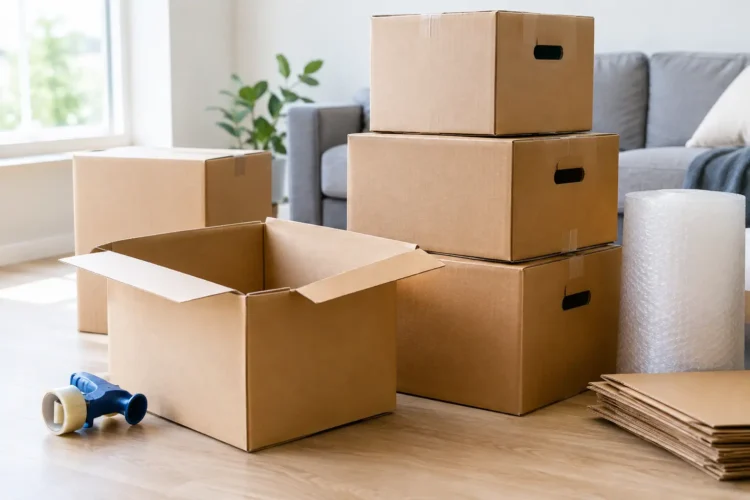


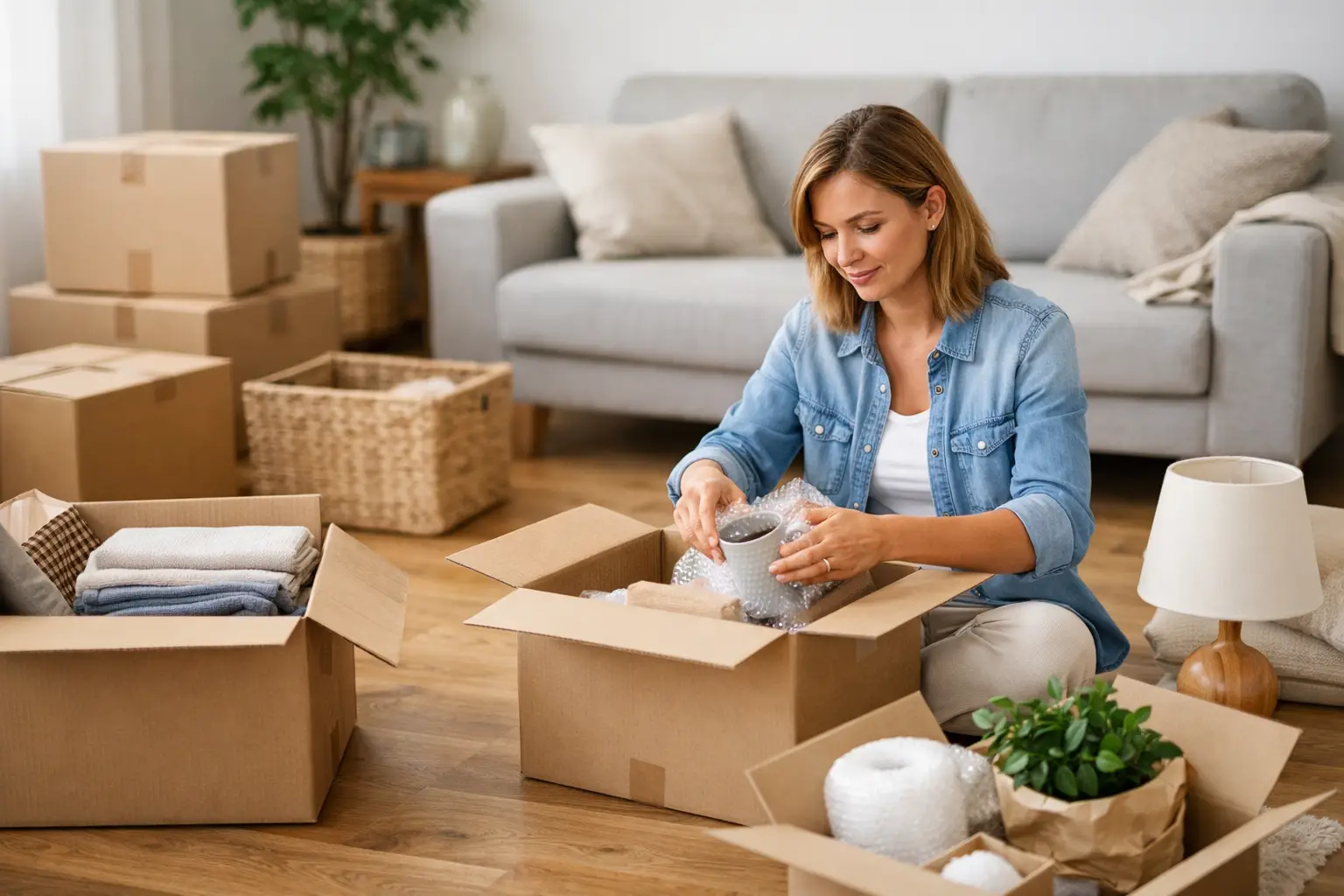
The removal truck has left, the keys are in your hand and every room is stacked with boxes. Knowing how to unpack after moving house is what turns that pile of cardboard into a functional home without exhausting yourself in the first 24 hours. The job is not about emptying every box as fast as possible. It is about setting up the spaces you need first, protecting your belongings and making steady progress.
Start with a quick walk-through
Before opening boxes, walk through the property while it is still mostly empty. Check that all delivered items are in the right rooms, look for any obvious damage and confirm that utilities, lights, taps, locks and appliances are working as expected. If something needs attention, take clear photos and make a note before furniture starts covering walls and floors.
This is also the right time to decide where large furniture should sit. Moving a couch, bed frame or dining table is far easier before you have unpacked rugs, lamps and dozens of smaller items around it. If furniture was dismantled for the move, assemble the essential pieces first. Start with beds, then the dining table or a basic work surface, depending on your household.
Do not try to make every room look finished on moving day. Focus on making it usable.
Unpack the essentials box first
A properly packed essentials box should travel with you, not disappear into the truck. It usually contains medications, chargers, important documents, toilet paper, basic toiletries, a change of clothes, towels, snacks, tea or coffee, pet supplies and simple cleaning products.
Set these items up straight away. Make the bathroom workable, put the kettle on the bench and charge your mobile. If you have children, unpack their comfort items and bedtime basics early. A familiar blanket, favourite toy and night light can make a new bedroom feel less daunting.
If your essentials were packed with the main load, do not panic. Find the boxes marked for the bathroom, kitchen and bedrooms before unpacking anything decorative. This is why clear labelling during packing saves time at the other end.
How to unpack after moving house in the right order
The best unpacking order depends on your household, but most homes work well when you prioritise the kitchen, bathroom and bedrooms. These rooms keep daily life running while the rest of the house takes shape.
Set up bedrooms for the first night
Make the beds before doing anything ambitious. Assemble frames if needed, put mattresses in place and locate bedding, pillows and pyjamas. You may not finish putting clothes away on day one, but everyone needs somewhere clean and comfortable to sleep.
For families, set up children’s rooms early where possible. Let them help choose where a few familiar items go, but keep the task simple. Too many choices can add to the stress of a move.
Make the kitchen functional, not perfect
Unpack the kettle, mugs, plates, cutlery, a saucepan, frypan and a few food containers first. You do not need every serving platter or speciality appliance out immediately. Prepare one clear bench area for meals and another for washing up.
Put frequently used items within easy reach and leave rarely used cookware in labelled boxes until you have lived in the kitchen for a week or two. A new kitchen often looks different on paper than it feels in daily use. Waiting before committing to cupboards can prevent unnecessary reshuffling.
Finish the bathroom next
Install a shower curtain if required, put out towels, soap, toilet paper and toothbrushes, then unpack everyday toiletries. Keep cleaning products separate from medicines and personal care items, especially if young children are around.
A quick clean of the shower, toilet and vanity before putting things away is worth the effort. You begin with a fresh space and avoid having to remove everything later.
Use one room as a box-free reset zone
Choose one room, or even one clear corner, that stays free of unopened boxes. This might be the lounge room, a spare bedroom or a section of the dining area. It gives you a place to sit down, eat a meal and take a break without constantly looking at the next job.
This simple rule also stops boxes spreading through the house. Keep unopened cartons in the rooms they belong to, rather than creating one giant pile in the hallway. Clear paths reduce trip hazards and make it easier to find what you need.
If you are moving into a smaller Melbourne apartment or townhouse, space can be tight. In that case, unpack one room fully before bringing in boxes for the next. It may feel slower, but it keeps the home manageable and avoids shifting the same cartons several times.
Work from big items to small items
Start with furniture placement and storage, then move to the contents of boxes. Put bookcases, wardrobes, drawers and storage units where they belong before filling them. Once those foundations are in place, unpacking becomes quicker because every item has a logical destination.
Avoid emptying a whole box onto the floor or bed. Take out one category at a time, put it away, then flatten the cardboard or stack it neatly. This keeps the mess under control and reduces the chance of small items getting lost.
For fragile goods, unpack over a cleared table or bench rather than on tiles. Keep wrapping paper in one bag and broken-down boxes in another area. If something arrives damaged, retain the packaging and take photos before disposing of anything. This is particularly important where insurance or a removalist claim may be involved.
Give yourself a realistic unpacking plan
Most people underestimate how long unpacking takes. The move itself may be completed in a day, but a fully organised home can take days or weeks. That is normal.
Set a short daily target rather than trying to finish everything at once. You might complete the kitchen on the first day, bedrooms on the second, then tackle one remaining room each evening. Keep the final boxes labelled as low-priority items, such as books, décor, seasonal clothes or paperwork.
A practical approach is to use three groups as you unpack: keep, donate and rubbish. Moving is one of the few times you handle nearly every household item, so it is a good opportunity to remove things you no longer use. Be careful not to make rushed decisions with sentimental items when you are tired. Put uncertain items aside and revisit them later.
Deal with paperwork and valuables carefully
Create one secure place for passports, lease documents, settlement paperwork, spare keys, jewellery, laptops and other valuables. Do not leave these items in an open box while trades, delivery drivers or visitors are coming and going.
Set up a simple paperwork tray or folder for manuals, warranties, mail and receipts connected to the move. Take a photo of utility meter readings if applicable, update your address with key services and keep a list of jobs that still need booking. Handling administration in small blocks is far less stressful than searching for documents weeks later.
Know when to get unpacking help
Unpacking support is useful when time is tight, when you are settling young children, recovering from an injury or starting a new job straight after the move. It can also make sense after a large family relocation, where cupboards, wardrobes and furniture assembly would otherwise take several weekends.
Professional packing and unpacking teams can place items room by room, assemble furniture and remove used packing materials once the work is complete. The trade-off is cost, so decide where help will make the biggest difference. You may only need assistance with the kitchen, heavy furniture or a full-day setup rather than every box.
Blaze Removals can provide packing, unpacking and furniture handling support for households that want the practical work completed properly, not left hanging after delivery.
Leave décor and final organisation until last
Pictures, lamps, ornaments and styling can wait. Once the home is functional, you will have the breathing room to decide what suits each space. Living in the house for a few days often shows you where extra hooks, shelves, storage baskets or furniture changes are actually needed.
Keep your pace sensible. Unpack the things that let your household eat, sleep, wash and work, then build the rest of the home around those basics. A few unopened boxes do not mean you are behind. They simply mean you are settling in properly, one useful room at a time.