


A moving truck parked outside is only one part of a successful relocation. The real work is getting heavy furniture out without damaging walls, protecting fragile pieces, keeping the day on schedule and knowing exactly what you are paying for. A reliable Point Cook furniture removalist helps turn a demanding move into a managed job, whether you are leaving an apartment, settling into a family home or relocating a small business.
Point Cook moves often involve more than loading boxes. Newer estates can have narrow access points, stairs, body corporate requirements, busy school-run traffic and strict settlement or key-collection times. Planning these details before moving day is what prevents delays, extra stress and avoidable damage.
What a furniture removalist should handle
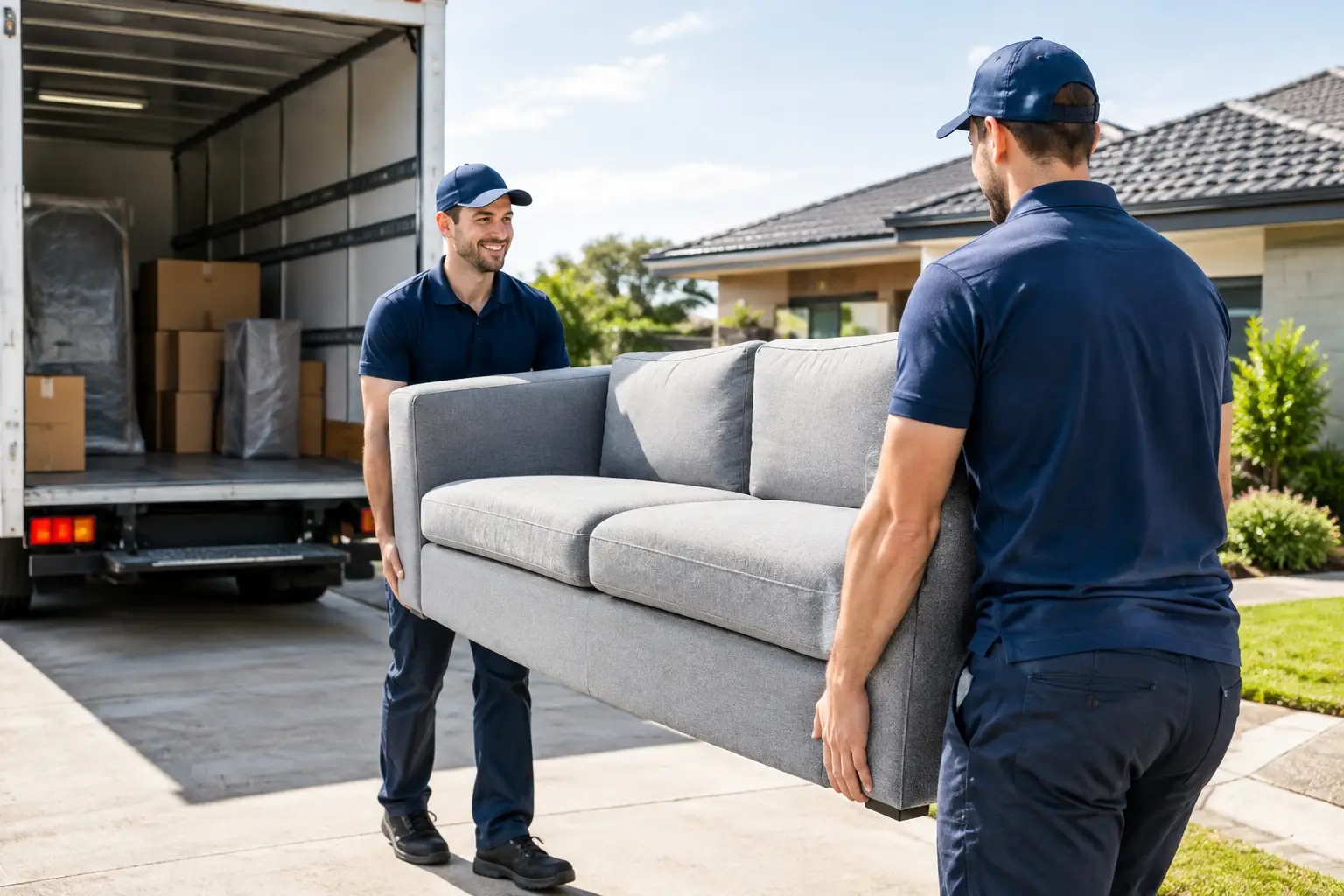
Furniture removal is not simply about having a large vehicle. Your movers need the right equipment, loading method and experience to handle bulky items safely. Sofas, bed frames, dining tables, bookcases and whitegoods all need to be assessed for size, access and protection before they are carried through a doorway.
A professional team should be prepared to wrap and secure furniture, protect fragile edges, use trolleys where suitable and place items safely in the truck so they do not shift during transport. At the destination, they should work from your directions and place large pieces in the correct rooms rather than leaving everything in the garage or front room for you to sort out later.
This matters most when you have furniture that is difficult to replace. A timber dining setting, a large modular lounge or a glass-fronted cabinet needs more care than a few flat-pack boxes. Good removalists do not rush these items just to finish a job faster.
Choose a Point Cook furniture removalist with a clear plan
The cheapest quote is not automatically the best value. A low hourly rate can cost more if the team arrives without enough people, lacks the right vehicle size or spends hours dealing with access problems that should have been identified beforehand.
Ask how the quote is structured. For local moves, hourly pricing can work well when the load and travel distance are straightforward. It is important to understand the minimum booking period, whether travel time is charged, what is included in the rate and how additional services are priced. For a larger or more complex relocation, a detailed estimate based on your inventory may be the better option.
A clear plan starts with an honest description of the job. Tell the removalist about stairs, lifts, steep driveways, long carries from the front door, restricted parking and any oversized furniture. If a truck cannot park close to the property, the extra walking distance affects the time and labour required. It is better to account for that upfront than discover it when the clock is running.
Match the crew and truck to the move
A one-bedroom apartment and a four-bedroom family home should not be quoted in the same way. The number of removalists, truck capacity and estimated hours should reflect the volume of furniture, the access at both addresses and the services you need.
For example, a smaller move may only need transport and basic loading. A larger house move may require furniture dismantling, mattress protection, packing support and reassembly at the other end. If you have a piano, pool table, large safe or other speciality item, raise it early. These pieces need specific handling methods and may require a specialised crew or equipment.
There is a trade-off here. Booking too small a truck may mean extra trips, while hiring more labour than the job requires can add unnecessary cost. The right removalist will explain the recommended crew size and why it suits your move.
Prepare your furniture before moving day
The easiest way to reduce moving-day delays is to make decisions before the team arrives. Do not pay to transport furniture you no longer want, cannot fit in the new property or plan to replace straight away. Measure key pieces and compare them with doorways, stairwells, lift dimensions and room layouts at your new address.
Start by separating what is moving from what will be sold, donated, recycled or disposed of. Then focus on the furniture that needs preparation. Empty drawers where possible, especially from tallboys, filing cabinets and bedside tables. Loose contents can make an item heavier, unstable and more likely to be damaged.
Dismantling is useful for bed frames, large tables and bulky shelving, but it is not always necessary. Some furniture is safer moved intact, while other pieces simply will not fit through the door unless they are taken apart. Keep screws, brackets and small fittings in labelled bags, and tape the bag to the relevant item or store it in one clearly marked essentials box.
If you are packing yourself, do not overload cartons. Strong, manageable boxes are safer for everyone and make the truck easier to load securely. Clearly label boxes by room and identify anything fragile. That gives the crew a practical unloading plan and saves you from opening twenty cartons to find the kettle.
Access can make or break the schedule
Point Cook has a mix of townhouses, established homes, apartments and newly built properties. Each can present different access conditions. A townhouse may have multiple flights of stairs. An apartment may need a lift booking. A newer estate may have limited kerb space while construction or parked vehicles narrow the street.
Check parking before the move. Reserve a spot close to the entrance where possible, and let neighbours know if the truck may temporarily affect access. If your property has a body corporate, confirm the building’s moving requirements, lift protection rules and approved moving times. Some buildings require bookings well in advance.
Also check the path between the truck and the door. Move pot plants, bikes, outdoor furniture and anything else that creates a trip hazard. Wet weather, uneven ground and narrow side access do not make a move impossible, but the removalist needs to know about them so the team can work safely and allow the right amount of time.
Protect the items that need extra care
Not every item should be packed the same way. TVs, mirrors, artwork and glass tabletops need suitable protection and should be identified before loading begins. Mattresses benefit from covers, while upholstered furniture should be kept clean and dry during transit. For valuable antiques or sentimental items, discuss the handling approach before booking rather than assuming standard wrapping is enough.
Insurance is another practical consideration. Ask what cover applies, what information is required if an issue occurs and whether there are exclusions for owner-packed cartons or particular high-value items. Insurance does not replace careful handling, but clear cover gives you a better understanding of your position before the move starts.
Take photos of valuable furniture before it is moved, particularly if it already has marks or wear. This is not about expecting problems. It is a sensible record that avoids confusion and helps everyone stay accountable.
Moving offices and small businesses in Point Cook
Commercial furniture removals need tighter coordination than most household moves. A delayed office relocation can affect staff, customers, equipment access and normal trading. The priority is often to keep downtime short while moving desks, chairs, filing cabinets, stock and IT equipment in an organised order.
Plan the new layout before moving day, including where workstations, meeting-room furniture and storage units will go. Label equipment by team or location, and nominate one person to make decisions on site. If the move needs to happen after hours or across a weekend, confirm that requirement during the quote stage.
For small businesses, paying for packing and unpacking support can be worthwhile when it gets staff back to work sooner. It depends on the size of the move and how much internal labour you can spare, but it is often more efficient than asking employees to manage heavy furniture and delicate equipment themselves.
Book with the details that matter
When requesting a quote, provide your moving date, both addresses, property types, furniture inventory and access details. Mention parking restrictions, stairs, lifts, dismantling needs and any speciality items. The more accurate the information, the more useful the estimate will be.
Blaze Removals provides practical support for local furniture moves, from transport and careful loading through to packing, unpacking and speciality-item handling. The goal is simple: a properly planned move with clear expectations, trained people and furniture that arrives where it belongs.
Before you lock in your date, walk through both properties once more with a measuring tape and a realistic eye. A few minutes spent checking access, furniture size and parking can save hours on moving day – and make your new place feel like home much sooner.