


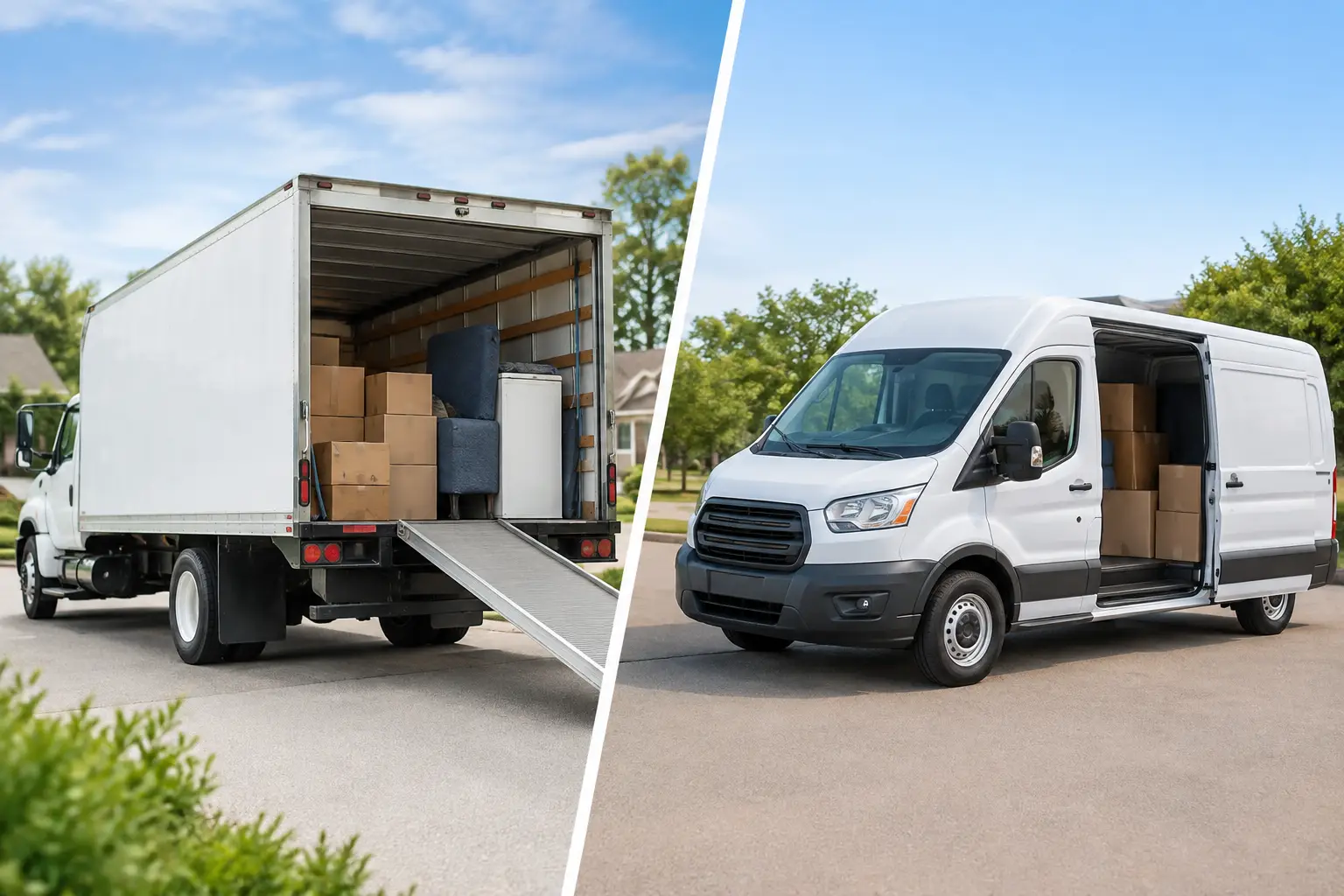
That sofa might fit through the front door, but getting it down two flights of stairs, around parked cars and safely into a vehicle is where a move can quickly become hard work. When weighing up a removalist truck versus rental van, the cheaper-looking option is not always the lower-cost move once time, physical effort, vehicle space and damage risks are counted.
The right choice depends on what you are moving, how far it needs to travel and how much help you have available. A rental van can suit a small, simple move. A removalist truck and trained crew make far more sense when furniture, fragile items, access issues or a tight schedule are involved.
When a rental van makes sense
A rental van is usually best for smaller loads that can be moved in one or two trips. Think a studio apartment, a few boxes from a storage unit, a mattress, or a limited number of flat-pack items. It can also work well when you have capable friends or family who are genuinely available to help – not just people who say they might turn up on the day.
The main benefit is control. You choose the collection time, load at your own pace and return the van when you are finished. If your move is local, your belongings are not especially heavy or valuable, and you can manage the lifting safely, this can be a practical option.
However, the advertised daily rate is only one part of the cost. Check the kilometre allowance, fuel policy, excess reduction, bond, late-return fees and any charges for cleaning or damage. A van may look affordable until extra kilometres, petrol and an additional rental day are added.
Space is another common issue. Many people underestimate how much room household furniture takes up. A fridge, washing machine, couch, dining table and boxed belongings can fill a standard rental van much faster than expected. Multiple trips add fuel costs, time and fatigue, particularly in Melbourne traffic.
When a removalist truck is the better choice
A removalist truck is built for complete household and business moves. It offers more capacity, proper tie-down points, moving blankets, trolleys and the equipment needed to keep furniture stable during transport. More importantly, it comes with people who move furniture for a living.
For a one, two or three-bedroom home, the value is not only in the truck size. A professional crew can dismantle and wrap furniture, carry awkward items safely, load the vehicle in the right order and secure everything for the trip. That reduces the chance of scratched timber, broken glass, damaged walls or an injured back.
A truck is also the more sensible option when access is difficult. Apartments with lifts, narrow stairwells, long hallways, steep driveways and limited parking all slow down a DIY move. Experienced removalists plan around these conditions rather than discovering the problems after the van is already booked.
For office relocations, a removalist truck is often essential. Desks, filing cabinets, computers, stock and meeting-room furniture need to be handled systematically so the business can reopen without unnecessary disruption. Packing, labelling and staged delivery can make the difference between a controlled relocation and several lost working days.
Removalist truck versus rental van: compare the real costs
The decision should not rest on the vehicle hire price alone. Compare the full cost of completing the move, including your time and the risks you are taking on.
With a rental van, you may need to pay for the vehicle, fuel, tolls, excess cover, parking, moving blankets, trolleys and extra kilometres. You also need to arrange labour. Even if friends help for free, consider whether the job will take all day, whether they can safely lift heavy furniture and what happens if someone cancels at the last minute.
With a removalist truck, the upfront figure is generally higher because it includes a vehicle, trained movers and moving equipment. But the job is often completed in fewer hours and with fewer trips. For larger moves, that can make professional help better value than it first appears.
There is also the cost of damage. A poorly packed van can allow furniture to shift and rub during transport. A washing machine can be difficult to manoeuvre without a trolley. A scratched floor, damaged sofa or broken television can quickly outweigh any saving made on DIY transport.
Professional removal services should provide clear pricing before work begins. Ask whether the rate covers the truck, number of movers, travel time, fuel, stairs, weekend work and any special handling requirements. Transparent answers make it easier to compare options fairly.
Capacity is not the only reason to choose a truck
It is tempting to decide based purely on cubic metres. Capacity matters, but loading skill matters too. A larger truck that is loaded correctly protects your belongings and prevents wasted space. Heavy items need to be positioned securely, fragile pieces require padding, and boxes should be stacked so they do not collapse or slide.
A rental van can become difficult to load once bulky furniture is involved. Without enough blankets and straps, items can knock together during braking and cornering. Without the right lifting technique, it is easy to strain shoulders, wrists or lower backs before the vehicle has even left the driveway.
Specialty items deserve extra care. Pianos, pool tables, large mirrors, antiques and stone-topped furniture should not be treated like ordinary boxes. These items can be heavy, unbalanced and expensive to repair. They require suitable equipment, planning and people who understand how to move them safely.
Questions to ask before you book
Before choosing either option, walk through your property and make an honest inventory. Count the major furniture, estimate the boxes and identify anything that needs dismantling. Then check the pickup and delivery access, including parking, staircases, lifts, loading zones and door widths.
A rental van may be enough if your list is short, the distance is local and there are no difficult items. If you are moving a full home, managing a business relocation, travelling interstate or dealing with fragile and oversized belongings, a removalist truck is usually the safer and more efficient route.
Timing also matters. If you have a lease handover, settlement date or lift booking, delays can be expensive and stressful. A professional crew works to a plan and can complete loading within an agreed window. That certainty is particularly useful for apartment moves in Melbourne CBD areas where loading access and parking are tightly controlled.
Choosing the level of help you need
You do not always need the same service for every move. Some people prefer to pack their own boxes and have removalists handle the heavy lifting and transport. Others want help with packing, dismantling, reassembly and unpacking as well. The best option is the one that removes the tasks you cannot safely or confidently manage yourself.
Blaze Removals can provide truck-based moving support for household, office and specialty-item moves, with packing and furniture handling available when the job calls for it. This is particularly helpful when you need an accountable crew, not a borrowed van and a rushed weekend.
If you choose a rental van, book a vehicle with more room than your first estimate suggests, use proper blankets and restraints, and avoid lifting beyond your limits. If you choose a removalist truck, provide an accurate inventory and disclose access challenges early so the right crew and vehicle arrive prepared.
A move goes better when the transport choice matches the job. Keep the rental van for a light, uncomplicated load. When the move involves a home full of furniture, valuable belongings or a deadline that cannot slip, paying for the right truck and experienced hands is a practical way to protect both your property and your peace of mind.