



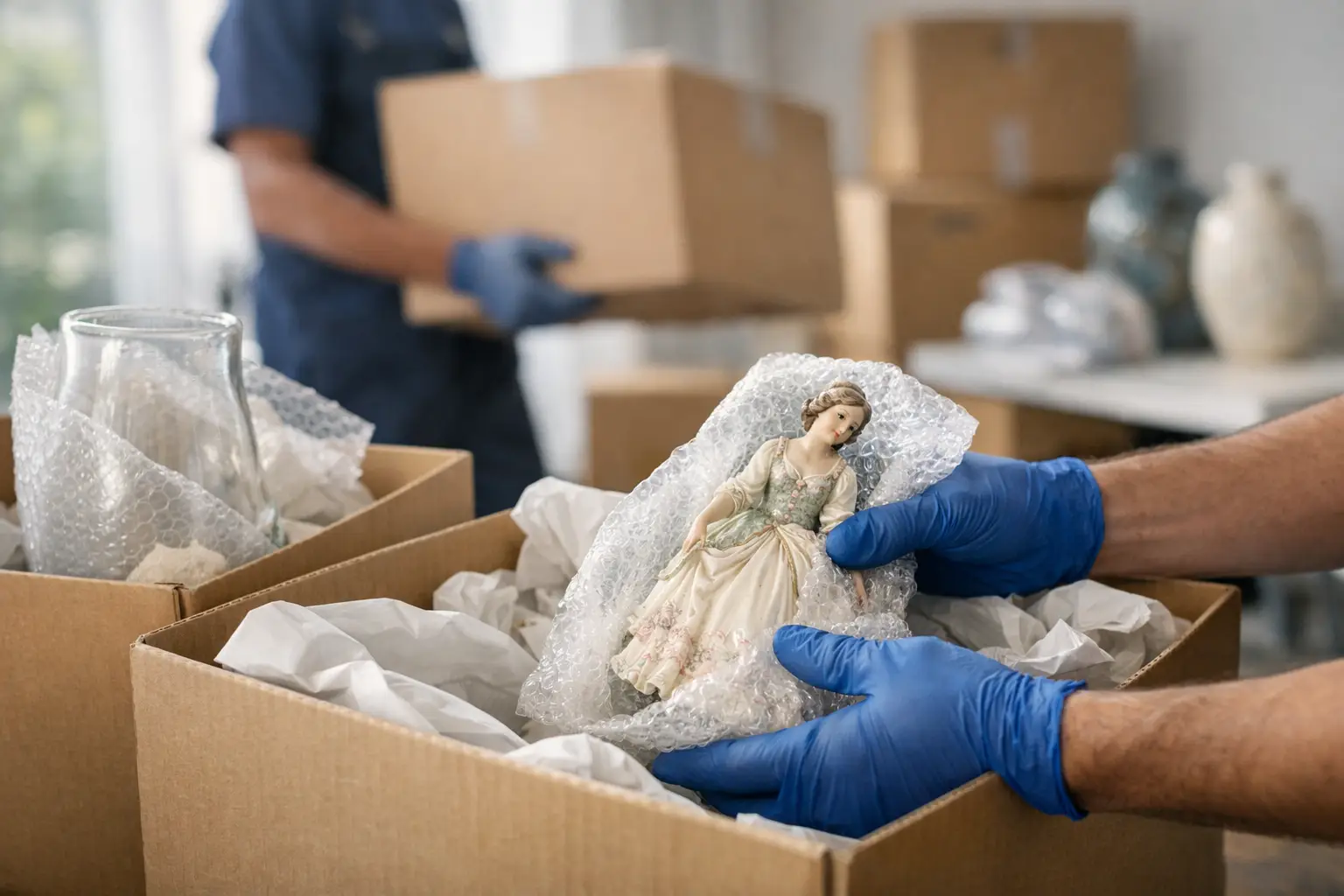
A cracked television screen, chipped dining set or damaged artwork can turn moving day into an expensive headache. Fragile item relocation is not simply about placing breakables in boxes. It relies on the right packing materials, sensible loading order, secure transport and trained handling from door to door.
For many households, the most fragile belongings are also the items that cannot be easily replaced. They may be family heirlooms, glass furniture, electronics, mirrors, artwork or a much-loved piano. The goal is not to make promises that every item is indestructible. It is to reduce avoidable risk at every stage of the move.
What Makes Fragile Item Relocation Different?
A dining chair can usually be moved with a furniture blanket and careful stacking. A glass tabletop, antique cabinet or large mirror needs more planning. These items can crack under pressure, flex during lifting, or be damaged when unsecured items shift in the truck.
The challenge is often not the distance travelled. A short Melbourne move with stairs, narrow hallways and limited parking may carry more risk than a longer trip with clear access. Before packing starts, consider the item’s weight, shape, value, condition and where it needs to go at the new property.
A proper plan also accounts for access. Can a large painting move safely through the doorway? Does a piano need specialist lifting equipment? Is there a lift booking at an apartment building? Solving these questions before moving day prevents rushed decisions when fragile items are already in hand.
Start With a Room-by-Room Packing Plan
Packing fragile items at the last minute is where many problems begin. Rubbish bags, thin cartons and loose packing paper may seem convenient, but they offer little protection when boxes are lifted, stacked and transported.
Start with one room at a time and separate what is genuinely fragile from what is merely awkward to carry. This makes it easier to choose suitable cartons and prevents delicate items being mixed with heavy objects such as books, tools or kitchen appliances.
For standard household breakables, use clean, sturdy boxes that are not overfilled. Wrap individual pieces so they do not touch inside the carton, add cushioning at the base and fill empty spaces to limit movement. A box should feel stable when gently moved, not packed so tightly that pressure is placed on the item inside.
Plates are generally safer packed on their edge with padding between each piece, rather than laid flat in a tall stack. Glassware should be individually wrapped and placed upright in fitted cartons where possible. Lamps need bulbs removed, shades packed separately and bases protected from scratches. For televisions and monitors, the original packaging is ideal if it is still available. If not, purpose-made covers and firm cardboard protection are a better choice than loose blankets alone.
Clearly label cartons on more than one side. Write what is inside, the destination room and handling instructions such as “Fragile” or “This Way Up”. Labels do not replace careful handling, but they help everyone loading and unloading understand what requires extra attention.
Avoid the Common Packing Shortcuts
Some shortcuts create risk without saving much time. Overloading a box makes it harder to carry safely and increases the chance of the base giving way. Underfilling it can allow contents to rattle and collide. Using newspaper directly against delicate surfaces may leave ink marks, particularly on light-coloured ceramics and glass.
It is also unwise to pack sentimental jewellery, essential documents, prescription medication, cash or small irreplaceable valuables into the removal truck. Keep these with you during the move. That gives you control over items that are too important to be placed in general moving cartons.
Special Items Need Specialist Handling
Not all fragile belongings should be treated as ordinary household boxes. Some items have specific lifting, packing and transport requirements that call for an experienced removal team.
A piano, for example, is heavy but also mechanically delicate. It must be protected from knocks, moisture and sudden movement, while being carried in a way that protects both the instrument and the people moving it. Pool tables present a different problem: they are bulky, extremely heavy and often need to be dismantled before transport, then reassembled carefully at the destination.
Large mirrors, framed art, glass cabinets and marble furniture need edge protection and a secure position in the truck. They should not be laid under other items or left where they can slide during braking and cornering. Where an item has high financial or sentimental value, professional packing is usually a sensible investment rather than an unnecessary extra.
If you are unsure whether something needs specialist attention, raise it when requesting your quote. Accurate information helps the removalist allocate the right crew, truck space, protective materials and time for the job.
Loading Matters as Much as Packing
Even perfectly wrapped belongings can be damaged by poor loading. Fragile item relocation depends on how every item is positioned inside the vehicle.
Heavy furniture and appliances should be secured first, creating a stable base. Fragile cartons should be loaded where they will not carry weight from other items or be exposed to shifting furniture. Larger delicate pieces need blankets, straps and appropriate spacing so they cannot rub against hard surfaces during transport.
This is also why a removal truck is different from using a mate’s ute or a hired van with a few loose blankets. Professional moving vehicles are set up for securing household goods. An experienced crew knows how to distribute weight, protect corners, use ties correctly and avoid stacking pressure on delicate cartons.
The same care applies at the other end. Unloading too quickly, leaving cartons in a driveway or carrying glass items through cluttered rooms can undo the work completed earlier. Clear the pathway before the truck arrives, keep pets and children away from lifting areas, and nominate someone to direct boxes to the correct rooms.
When Professional Packing Is Worth It
Professional packing is particularly useful when time is short, the home contains a lot of breakables, or the move involves difficult access. It can also reduce stress for office relocations, where monitors, computers, printers and other equipment need to arrive ready for set-up.
There is a cost trade-off. Packing your own kitchenware and ornaments can reduce the upfront price of a move, especially if you have time and good-quality materials. However, packing services can make financial sense when poor packing could lead to damage, delays or the need to replace valuable items.
A professional crew can bring appropriate cartons, wrapping, furniture blankets and handling equipment, then pack items in a way that works with the loading plan. This is more efficient than packing everything at home without knowing how it will be secured in the truck.
For businesses, clear labelling is just as important as protection. Label equipment by workstation, team or room, and identify anything that needs careful reconnection or priority unloading. This helps reduce downtime and avoids the familiar first-day problem of searching through dozens of unmarked boxes for essential cables or equipment.
Prepare Your Property for a Safer Move
Good handling starts before the crew arrives. Measure large pieces against doorways, lifts and stairwells. Remove wall-mounted mirrors or artwork in advance if that is part of your plan, and photograph valuable items before packing so their existing condition is documented.
Check parking arrangements too. In busy parts of Melbourne CBD, access can be restricted by loading zones, building rules and tight streets. Reserving a suitable loading area and confirming lift access can prevent long carries and rushed handling. If the weather is wet, protect entry points and make sure paths are clear of slippery leaves, loose mats or other trip hazards.
Do not assume every item must travel assembled. Some furniture is safer when dismantled, particularly glass tables, shelving units and large bed frames. The best approach depends on the item, its condition and how it will be reassembled. A removalist can advise what should stay intact and what should be taken apart before transport.
Choose a Removalist That Plans for Risk
Price matters, but the cheapest quote is not always the lowest-cost outcome if fragile items are handled without suitable care. Ask practical questions before booking: whether packing materials are supplied, how specialist items are protected, what insurance arrangements apply, and whether the crew has experience with items like pianos, pool tables or glass furniture.
You should also provide a complete inventory. Mention access issues, oversized items and anything unusually heavy or delicate. Surprises on moving day can affect timing, equipment needs and the level of protection required.
Blaze Removals provides packing support, trained crews and specialist-item handling for moves where careful planning matters. A clear quote and honest item list give the team the information needed to prepare properly, rather than relying on guesswork at the door.
Your fragile belongings deserve more than a carton marked in red pen. Give them the time, materials and handling plan they need, then moving day becomes a controlled job instead of a gamble.