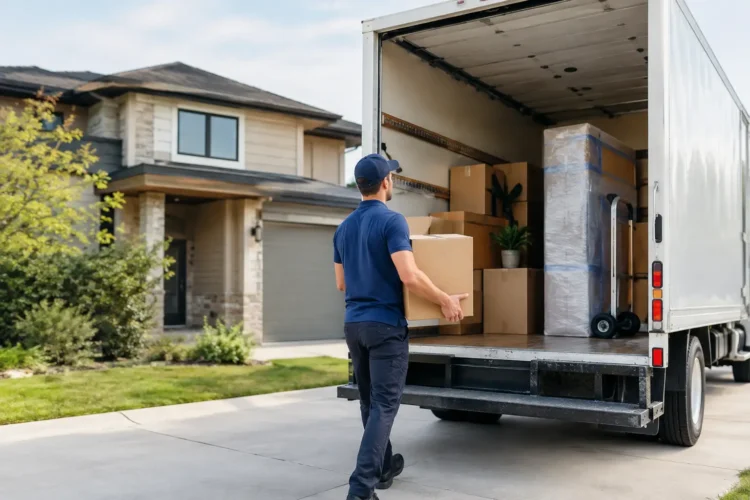




A move can be fully packed and still fall apart at the front door. The usual problems are practical ones: there is nowhere for the truck to park, keys are not ready, the lift has not been booked, or the boxes are stacked in rooms where nobody can tell what belongs where. Knowing how to prepare moving day means getting those details sorted before the removalists arrive.
The aim is not to make moving day perfect. It is to make it controlled. With a clear plan, labelled boxes and safe access at both properties, your movers can get to work quickly and you can focus on the decisions only you can make.
Start preparing a week before the move
The final week is when small jobs become big delays. Confirm your moving date, arrival window and contact number with your removalist, then make sure the person who can approve decisions on the day will be available by mobile.
Contact your real estate agent, landlord, building manager or strata manager if access is involved. Apartment moves often require lift bookings, loading dock access and a certificate of currency for the removalist. If you are moving in or out of Melbourne CBD, these arrangements can determine whether the job starts on time or waits at the kerb.
This is also the right time to check parking. Reserve a space where possible, particularly on narrow streets or busy roads. The closer the truck can park to the entrance, the less carrying is required and the more efficiently the move can run. Do not assume a driveway is suitable for a truck – check clearance for low branches, steep angles and overhead wires.
Finish the sorting before the last two days
Avoid paying to transport items you do not want. Work room by room and separate belongings into move, donate, sell, recycle and rubbish piles. Be realistic. A broken chair or a box of old papers is rarely more valuable because it has travelled to a new address.
Book hard-rubbish collection or arrange a tip run early, as these services can fill up. If you are selling larger items, set a collection deadline. Anything not collected by then should have a backup plan, otherwise it may still be sitting in the hallway when the truck arrives.
Pack for a faster, safer load
Packing is where many moving-day problems begin. Overfilled cartons break, unlabelled boxes slow unloading, and loose items create damage risks. Use sturdy moving boxes, tape the base properly and keep heavier items in smaller cartons. Books, tools and kitchenware can become too heavy very quickly.
Write the destination room and a short description on at least two sides of every box. “Kitchen – everyday plates” is much more useful than “kitchen”. Mark fragile cartons clearly, but pack them securely as well. A label does not replace internal protection.
Keep a small number of clearly marked priority boxes for the first night. These should stay easy to find, preferably loaded last so they come off first. Include items such as:
- kettle, mugs, tea, coffee and simple snacks
- toilet paper, hand soap, towels and basic cleaning supplies
- chargers, medication, glasses and important documents
- bedding, pyjamas and a change of clothes
- pet supplies or children’s comfort items, where needed
Do not pack restricted or high-risk items with household goods. Petrol, gas bottles, fireworks, pool chemicals, paint thinners and other flammables need separate handling or disposal. Ask your removalist in advance if you are unsure about a particular item.
How to prepare moving day at home
The night before, charge your mobile, put keys and paperwork in one safe place, and do a final check that all boxes are sealed and labelled. Dismantle furniture only if you have the tools, instructions and time to do it correctly. For many households, professional dismantling and reassembly is the safer option, especially for large beds, wardrobes and fragile furniture.
Empty and defrost the fridge and freezer according to the manufacturer’s guidance. Wipe them dry and leave doors slightly open until loading, if practical. Washing machines need to be drained, and some appliances require transit bolts. This is not a job to guess at – check the manual or arrange help before moving day.
Clear walkways inside and outside. Remove loose mats, pot plants, toys and cords from paths. Keep children and pets away from loading areas, ideally with a family member, friend or booked care arrangement. A busy doorway is no place for a curious dog or a child trying to retrieve a favourite toy.
Set up the new property before the truck arrives
If you can access the new property beforehand, take a few minutes to make unloading easier. Check where each room is, unlock gates and garages, and identify any tight staircases, low ceilings or difficult turns. Put room labels on doors if the layout is unfamiliar or there are several bedrooms.
Confirm that utilities are connected, particularly electricity, water and internet arrangements. You may not need internet immediately, but you will want lights, hot water and a working fridge. If there are existing marks or damage at a rental property, take date-stamped photos before furniture is carried in.
For office moves, the same principle applies with more coordination. Identify where workstations, filing cabinets and equipment will go before loading begins. IT equipment should be labelled, backed up and packed separately with cables matched to the correct device. The cost of a few hours of planning is far lower than a day of staff waiting for a workspace to be rebuilt.
Keep valuables and essentials with you
Removalists are there to safely transport your furniture and cartons, but some items should travel in your own vehicle. Keep passports, identification, jewellery, cash, legal documents, prescriptions, laptops and irreplaceable photos under your direct control.
Take photos of valuable furniture and specialty items before the move, especially if they already have marks or wear. This provides a clear record and helps avoid confusion later. Let your movers know about fragile, oversized or unusually heavy items before work begins. Pianos, pool tables, large stone tops and bulky gym equipment may need specialist planning, equipment or extra crew.
Be ready when the removalists arrive
Meet the crew, point out priority items and explain anything that is not obvious: difficult access, boxes that must stay upright, furniture going into storage, or goods not being moved. Walk through the property together if needed. Clear communication at the start prevents assumptions later.
You do not need to direct every lift and carry. Professional movers work more efficiently when they can follow a clear plan without being stopped every few minutes. Stay available, keep your mobile nearby and raise questions early. If something is changing, such as an extra collection point or an item that will not fit through a doorway, say so before it becomes a loading problem.
Blaze Removals can assist with packing, furniture dismantling and specialty-item handling when you need more than transport. The right level of support depends on your time, budget and the complexity of the move, but it is usually best to decide before the truck is booked.
Do one final walkthrough before leaving
Once the property is empty, open every cupboard, wardrobe, drawer, shed and garage. Check behind doors, under stairs and along outdoor areas. Look for wall hooks, charging cables, mailbox keys and items drying on clotheslines.
Record final meter readings if required, take exit-condition photos and make sure all windows and doors are secure. Return keys as agreed with the agent or landlord. At the new property, check that essential boxes, beds and everyday furniture are placed where they need to be before the crew leaves.
Moving day is always busy, but it does not need to be chaotic. Plan access, pack with purpose and communicate clearly, then give yourself permission to leave the non-essential jobs for tomorrow.