



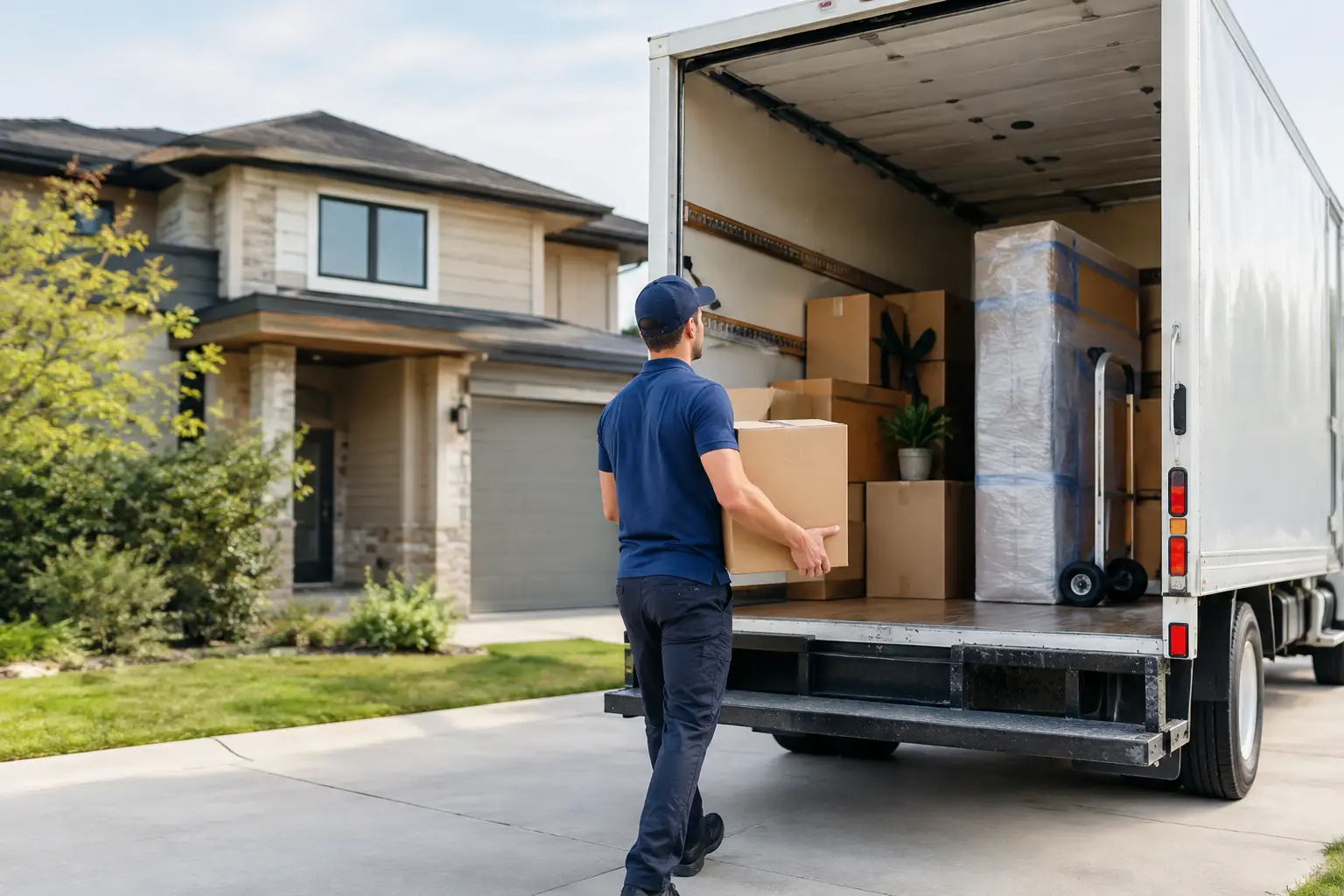
A moving truck size review is not about choosing the biggest vehicle available. It is about matching the truck, crew and loading plan to what you actually own, where it needs to go and how much access is available at both properties. Get it right and the move runs efficiently. Get it wrong and a second trip, extra time or awkward loading can quickly add cost.
For most Melbourne moves, truck size should be decided after looking at your furniture volume, cartons, stairs, lifts, parking and travel distance. A large home with poor truck access may need a different plan than a smaller home with a long carry from the front door. The vehicle matters, but the whole job matters more.
Moving truck size review: what the sizes really mean
Removal trucks are usually described by their load capacity rather than a simple length. Capacity is measured in cubic metres, which is the usable volume inside the truck. It is a useful guide, but it is not an exact promise that every item will fit. A neatly packed load of boxes uses space differently from a home filled with bulky modular sofas, recliners, gym equipment or oversized wardrobes.
As a practical rule, a small truck may suit a studio, student move, one-bedroom unit or a light office move. A medium truck is commonly the sensible choice for a one to two-bedroom unit, townhouse or smaller house. Larger trucks are generally used for two to four-bedroom homes, substantial family households and office relocations with desks, chairs and filing storage.
The right category depends on the contents, not simply the number of bedrooms. A lightly furnished three-bedroom house may need less capacity than a packed two-bedroom apartment with storage cages, a large dining setting and plenty of boxes. This is why an accurate inventory is more useful than guessing from your floor plan.
Small trucks for compact moves
Small removal trucks work well when there is a limited load and access is tight. They are often easier to position in inner-city streets, narrow driveways and apartment loading zones. They can also make sense for a partial move, such as collecting furniture from storage or moving a few major items between properties.
Their limitation is obvious: space disappears quickly. A queen bed, sofa, fridge, washing machine, television unit and a stack of cartons can fill a small truck sooner than expected. Choosing too small a vehicle can mean a return trip, which is rarely the affordable option once travel time and extra handling are included.
A small truck is a good fit when you have genuinely kept the move light. If you are unsure, count your larger items first. Beds, lounges, whitegoods, tallboys, bookcases and outdoor furniture set the capacity requirement far more than a few loose cartons.
Best suited to
Studios, one-bedroom units, small student moves, furniture collections and light commercial jobs are usually the strongest match for a small truck. It can also suit properties where a larger vehicle cannot safely access the street or driveway, provided the total volume stays modest.
Medium trucks for the typical household move
For many renters and homeowners, a medium truck is the practical middle ground. It gives a removalist crew enough room to load furniture properly, use protective blankets and stack cartons securely without forcing an overloaded layout. That matters when your belongings are travelling across Melbourne traffic, not just around the corner.
A medium truck often suits a one or two-bedroom home, but it can also handle a sparsely furnished three-bedroom property. It is particularly useful for apartment moves where the lift has been booked, the loading dock has a reasonable height clearance and the truck needs to complete the job in one organised run.
Do not assume a medium vehicle is automatically cheaper than a larger one. If your contents only just fit, loading takes longer and there is little room to secure items properly. A slightly larger truck may reduce handling time and avoid a second run. The best value comes from the truck that completes the work safely and efficiently.
Large trucks for family homes and office moves
Large removal trucks are built for volume. They are usually the right choice for established family homes with multiple bedrooms, full living and dining rooms, garage items, outdoor settings and plenty of packed cartons. They are also useful for office moves where workstations, chairs, cabinets and IT equipment need to be transported in a controlled load.
More capacity does not mean less planning. A bigger truck needs suitable street parking, adequate driveway clearance and room for the crew to work safely. In busy parts of Melbourne CBD, loading permits, time restrictions and building management requirements may affect the vehicle choice. At suburban properties, low branches, steep driveways and tight turns can create the same issue.
For interstate relocations, truck size becomes even more important. Leaving items behind is not a simple second trip when the destination is hundreds of kilometres away. A detailed inventory, clear quote and proper loading plan are essential before the truck is allocated.
When a large truck is not the answer
A large truck can be inefficient if access prevents it from getting close to the property. The crew may have to carry every item a long distance, which adds time and increases the physical handling required. In some cases, a smaller vehicle, shuttle load or different parking arrangement is the safer option.
This is also why photos of entrances, driveways, stairwells and loading areas help before moving day. They allow the removal team to identify access issues early rather than making a last-minute compromise at the kerb.
What changes the truck size you need
Furniture volume is the starting point, but several practical details can change the recommendation. Think through these points before booking:
- Large or awkward items such as pianos, pool tables, oversized fridges, safes and heavy timber furniture may need extra room, specialist equipment or a separate handling plan.
- Storage areas are often underestimated. Garages, sheds, wardrobes, balconies and storage cages can contain a surprising amount of volume.
- Stairs, lifts and long walks from the truck affect labour time, even if they do not change the truck capacity.
- Packing quality matters. Uniform, sealed cartons stack better and protect belongings more effectively than loosely packed bags and mismatched boxes.
- Parking restrictions, low clearances and narrow streets can determine which truck can attend the property safely.
The most common mistake is overlooking what is not in the main rooms. Outdoor furniture, tools, kids’ bikes, boxed kitchen items and garage shelves are easy to forget during a quick estimate. Walk through every area with a notes app and list what is moving, selling, donating or disposing of. This gives the removalist a clearer picture and gives you a more reliable quote.
How to get an accurate truck recommendation
Start with a complete inventory of major furniture and estimated carton numbers. Include the size of beds, sofas, dining tables, fridges, washing machines, televisions and any specialty items. Then provide the origin and destination addresses, property type, stairs, lift details, parking information and the distance from the front door to where the truck can stop.
Photos are especially helpful for difficult access. A picture of a narrow driveway, apartment loading bay or steep internal staircase can prevent the wrong truck arriving on the day. If you are moving from or into an apartment, check lift booking times, loading dock rules and height limits with building management before confirming the move.
Be honest about the volume. Underestimating to chase a lower price usually creates more stress later. A professional removalist should explain the likely truck size, crew requirement and any access-related time factors in plain language. If the job involves packing, dismantling beds or handling a piano or pool table, those services should be included in the plan from the start.
Choose capacity, access and crew together
The truck is only one part of a successful move. The right vehicle needs the right number of trained removalists, proper protective equipment and enough time to load and unload without rushing. Two experienced movers with a suitable truck can often deliver a better result than an oversized vehicle with an unrealistic schedule.
Blaze Removals plans each move around the real conditions at your property, from compact apartment loads to full household and office relocations. Clear information before booking helps ensure the truck that arrives is ready for the work.
Before moving day, take one final walk through the garage, balcony and storage spaces. The best truck size is the one that carries the full load safely, reaches the property without access problems and gets you settled without an unnecessary second trip.