


A moving truck is not a general-purpose courier. It carries your furniture, cartons and equipment alongside the belongings of a household or business, often through busy Melbourne streets and across long interstate routes. Knowing what removalists cannot transport before packing day prevents delays, extra costs and difficult last-minute decisions.
Most restrictions come down to one thing: safety. Removalists have a duty to protect their crew, your property, the truck and everyone on the road. Some items are prohibited by law, while others create insurance, hygiene or damage risks that a standard removals service cannot reasonably take on.
What removalists cannot transport
The exact rules can vary by company, vehicle type and destination, particularly for interstate moves. However, reputable Australian removalists will generally refuse items that are dangerous, illegal, perishable, irreplaceable or likely to damage other goods in transit.
The best approach is to flag anything unusual when requesting your quote. A clear conversation before moving day gives the removalist time to confirm what is possible, recommend a safer alternative or adjust the scope of the job.
Flammable and hazardous goods
Hazardous materials are the most common no-go category. They can leak, ignite, react to heat or create fumes inside an enclosed truck. Even a small amount of the wrong product can put a full load at risk.
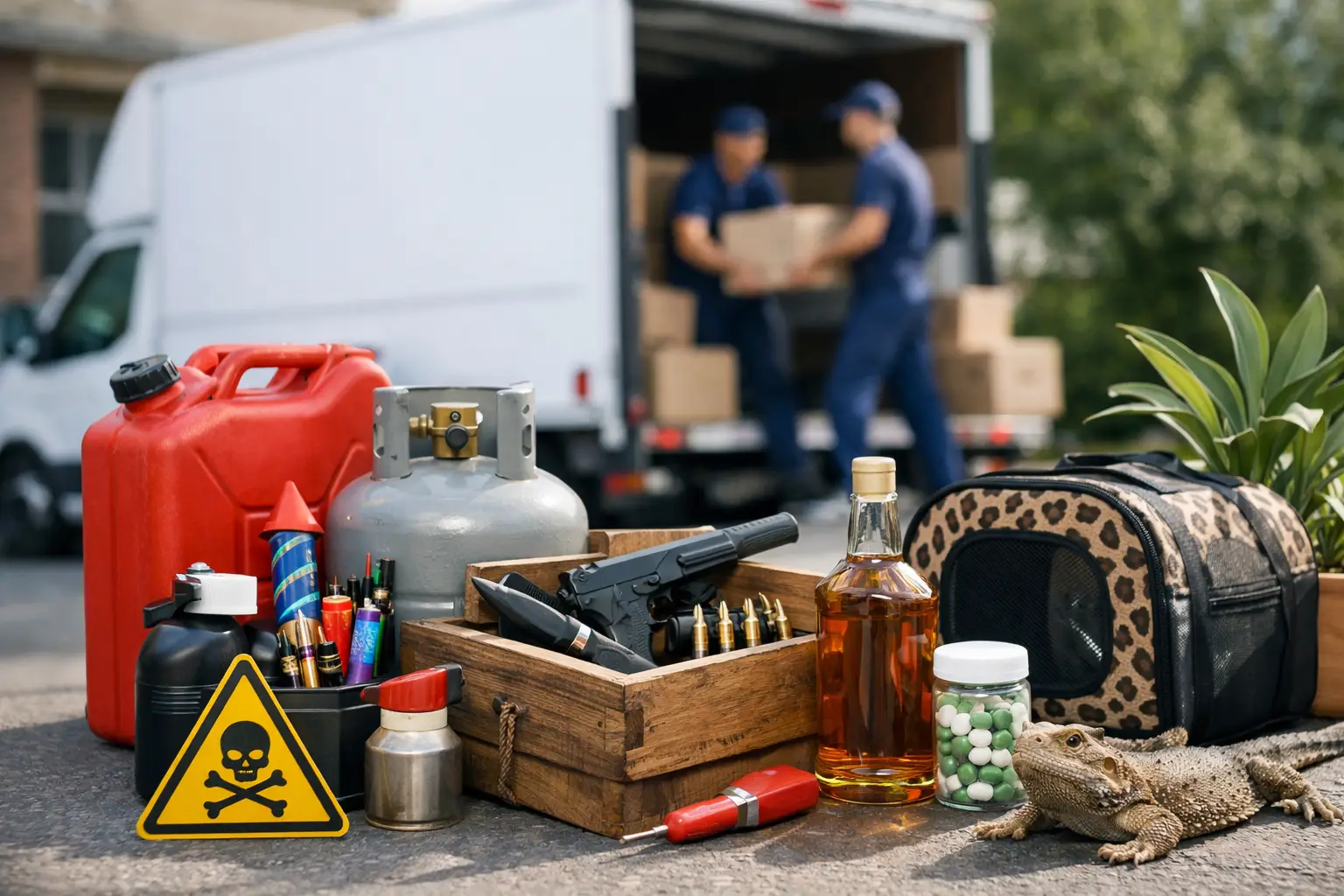
These items commonly include petrol, diesel, LPG cylinders, gas bottles, fireworks, ammunition, fuel cans, paint thinners, solvents, pool chemicals, pesticides, weed killers and strong cleaning chemicals. Aerosol cans, nail polish remover, certain batteries and fuel-powered equipment may also be restricted depending on their condition and how they are packed.
Do not assume an item is fine because it is sealed or nearly empty. A half-used tin of paint can leak when the truck brakes, turns or travels over uneven roads. Likewise, a lawn mower, whipper snipper or generator may be accepted only after all fuel has been drained and the unit is clean, dry and declared in advance.
Gas bottles deserve special care. They should not be packed into a moving truck unless the removalist has specifically confirmed that they can carry them. In many cases, arranging separate transport through an approved provider is the safer option.
Illegal, restricted or unsafe items
Removalists cannot transport unlawful goods. This includes illegal drugs, stolen property, prohibited weapons and anything that breaches state or federal law. The same applies to unlicensed firearms, ammunition and weapon components.
If you legally own a firearm or another regulated item, do not place it in a carton and hope it goes unnoticed. These items have strict storage and transport requirements. Contact the relevant authority or a licensed specialist to organise compliant transport.
Unsafe items can also be refused, even where they are not illegal. A damaged battery that is swollen or leaking, an unsecured sharp object, or a box that is visibly contaminated creates an avoidable risk for the removal crew. Pack knives and tools securely, label them clearly, and ask first if you are unsure about an item.
Perishable food and temperature-sensitive goods
Most removalists will not take food that can spoil, leak or attract pests. Refrigerated and frozen goods are especially unsuitable for a standard move. A fridge may be unplugged for hours, and the contents can quickly become unsafe, particularly during warmer weather.
Use up, donate or dispose of perishable food before moving day. Dry pantry goods in sealed, unbroken packaging are usually less of a concern for local moves, but they still need to be packed carefully. For interstate relocation, biosecurity rules may affect what food, plants and natural materials can cross state borders.
Alcohol is another item to discuss in advance. Small, securely packed household quantities may be accepted in some circumstances, but large collections are heavy, breakable and can be subject to different conditions. Keep high-value bottles out of direct heat and confirm the plan before the truck arrives.
Live animals, plants and biological materials
Pets do not belong in a removals truck. The vehicle is not climate controlled for animals, the doors may open frequently, and the crew cannot supervise a pet while carrying furniture. Arrange your own safe travel plan for dogs, cats, birds and other animals, ideally with water, ventilation and familiar bedding.
Plants are also often excluded, particularly for interstate moves. They can spill soil, carry pests and suffer badly from heat, cold or lack of light. State border restrictions may apply to soil, fruit trees, cuttings, seeds and outdoor plants. For a local Melbourne move, a removalist may be able to advise whether a small number of well-prepared plants can travel, but it should never be assumed.
Medical specimens, biological waste and infectious materials are not standard household freight either. These require specialist handling and should be kept out of your moving inventory.
Cash, documents and irreplaceable valuables
A removalist can professionally handle valuable furniture and speciality items, but there is a difference between a grand piano and a folder containing your passport, property settlement paperwork or original will. Important documents, cash, jewellery, watches, heirlooms, prescription medicines and computer backups should travel with you.
This is not a reflection on the crew. It is a practical safeguard. These items are small, easily misplaced and difficult or impossible to replace. Carry them in a clearly organised bag or locked case, and keep it with you throughout the move.
The same advice applies to personal electronics containing sensitive information. Laptops, tablets, external hard drives and work mobiles are usually safer in your own vehicle. If business equipment must be moved, make sure it is listed in the job plan and that relevant data is backed up before packing begins.
Items that are dirty, infested or structurally unsound
Removalists may decline items affected by mould, pests, bed bugs, animal waste or excessive dirt. These conditions can spread to other customers’ belongings, contaminate the truck and expose staff to health risks.
Furniture that is falling apart can be a problem too. A water-damaged wardrobe, cracked aquarium or unstable shelving unit may collapse while being carried or secured in transit. You may be asked to dismantle, dispose of or replace the item rather than move it.
An aquarium deserves separate mention. It must be fully emptied, cleaned and dry before transport. Fish, water, wet gravel and live plants need their own specialised arrangements. A tank that looks manageable can become dangerously heavy and fragile once loaded.
Special items are not always prohibited
Large, awkward or delicate belongings are not automatically off limits. Pianos, pool tables, safes, oversized furniture and commercial equipment can often be moved safely when the removalist has the right crew, equipment and access information.
The difference is preparation. A piano may require protective wrapping, a furniture dolly and a clear route. A pool table may need dismantling and reassembly. A safe may require weight details, lift access and confirmation that floors and stairs can support the move. These services should be booked, not added as a surprise on the day.
Blaze Removals can assess speciality items as part of the quote process, helping you plan the right handling method rather than risking damage with a standard load plan.
How to prepare before moving day
Start your sorting early, ideally before you begin packing cartons. Separate restricted items from the goods that will travel with the removalist. Dispose of hazardous household chemicals through your local council’s approved collection service, give usable products to someone who can safely use them, or arrange specialist disposal where needed.
For appliances and outdoor equipment, empty all fuel and water. Defrost and dry fridges and freezers well ahead of time. Drain washing machines according to the manufacturer’s instructions, and ensure hoses are secured. Do not pack unknown chemicals into unlabelled bottles or hide them in boxes marked “miscellaneous”.
For offices, nominate one person to check cupboards, kitchen areas, maintenance stores and cleaning supplies. Commercial moves often uncover printer toner, batteries, confidential files, chemicals and old IT equipment that cannot simply be loaded with desks and chairs. A short pre-move inspection avoids a stalled loading schedule.
Tell your removalist early
The fastest way to turn a straightforward move into a stressful one is to leave questionable items until the truck is parked outside. Be upfront about fuel-powered tools, large quantities of alcohol, fragile specialty pieces, plants, safes, chemicals and anything with unusual weight or access requirements.
A professional removalist will tell you what can be moved, what needs preparation and what requires another solution. That clarity protects your budget, keeps the crew safe and gives your belongings the best chance of arriving in the same condition they left. Pack smart, declare the unusual items early, and moving day can stay focused on getting you settled.