



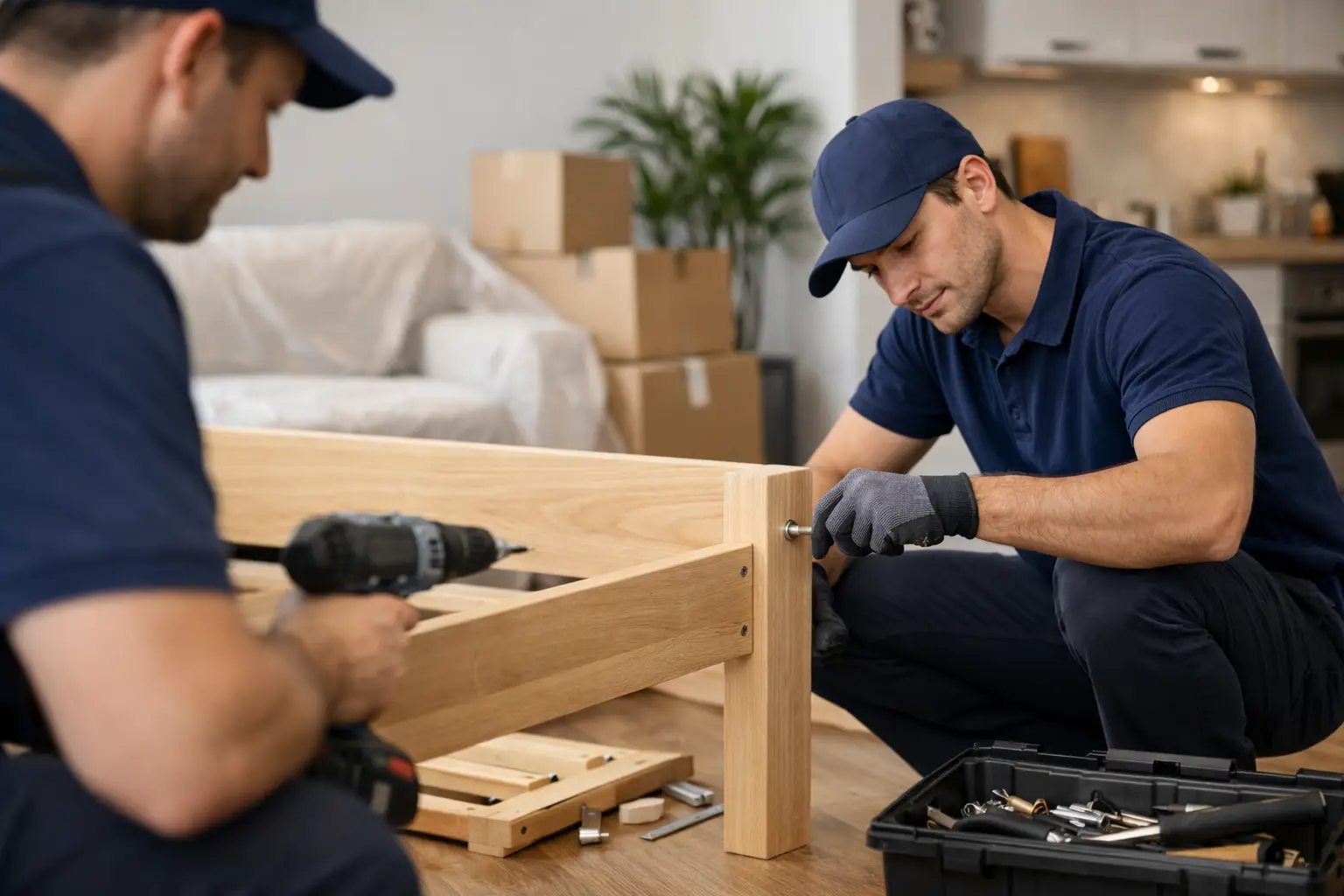
That oversized bed frame that barely made it through the door when you bought it is usually the first thing people worry about on moving day. If you’re asking can movers dismantle furniture, the short answer is yes – many professional movers do, but the exact service depends on the job, the item, and what was agreed in your quote.
Some furniture is straightforward to take apart and reassemble. Other pieces are bulky, fragile, custom-built, or simply not designed to be dismantled more than once. That’s where experience matters. A trained moving team knows when dismantling will protect your furniture and speed up the move, and when taking something apart could create more risk than benefit.
Can movers dismantle furniture for your move?
In most cases, yes. Professional movers regularly dismantle common household and office furniture as part of a relocation service. Beds, dining tables, desks, modular lounges, bookshelves, and some entertainment units are all typical examples.
The main reason is practical. Large items often need to be reduced in size to pass through tight hallways, stairwells, lifts, and door frames without damage. Dismantling can also make loading the truck safer and more stable, which reduces the chance of scuffs, strain injuries, or damage in transit.
That said, not every mover includes dismantling as a standard feature. Some treat it as an add-on service. Others will handle basic disassembly but not more technical reassembly. If you assume it’s included without asking, you can end up with delays, extra charges, or furniture left half-prepared when the truck arrives.
What furniture movers usually dismantle
Most moving teams are prepared to take apart furniture that is designed for assembly and disassembly. Bed frames are one of the most common items, especially queen and king beds with slats, gas-lift bases, or detachable headboards. Dining tables with removable legs are also routine, as are office desks, some shelving units, and modular furniture sections.
In commercial moves, boardroom tables, workstations, and standard office desks are often dismantled to make transport easier and reduce downtime at the new site. For households, children’s beds, bunk beds, and nursery furniture may also be included, provided the pieces are structurally sound and safe to handle.
The key factor is whether the item can be taken apart without creating new problems. A solid timber table with bolted legs is one thing. A flat-pack unit that has already been moved twice and is wobbling is another.
Items that may need extra care
Some pieces sit in a grey area. Wardrobes, wall units, antique cabinets, marble-top tables, and custom-built joinery may require extra labour, extra protection, or a specialist approach. If an item is unusually heavy, valuable, or difficult to reconstruct, movers may need advance notice before agreeing to dismantle it.
The same goes for furniture with electrical components, built-in lighting, hidden fixings, or lift mechanisms. These items can often be handled, but they’re not a basic in-and-out job.
When movers may refuse to dismantle furniture
There are situations where a professional mover will say no, and that’s not poor service – it’s good judgement. If a piece is unstable, damaged, poorly assembled, or likely to fall apart during dismantling, a mover may decide it’s safer to transport it as-is or leave it untouched.
Movers may also decline if the item is fixed to the wall, integrated into cabinetry, or requires a tradesperson rather than a removalist. Furniture attached to plumbing, electrical fittings, or structural elements is outside the scope of a standard move.
Another common issue is missing parts. If a customer expects a team to dismantle and reassemble a bed but the bolts, brackets, or Allen key have disappeared, the process can stall quickly. A good mover will try to keep things moving, but they can’t rebuild furniture without the right hardware.
What to ask before booking
If dismantling matters for your move, mention it when requesting your quote. Don’t leave it until the truck is parked outside. Movers need to know what furniture is involved, how much labour it will take, and whether special tools or extra time may be needed.
Be specific. Saying “a few items need taking apart” is vague and usually not enough. It’s much better to list each item, such as one king bed, one six-seat dining table, one corner desk, and one modular lounge. If something is oversized or custom-made, say that too.
Photos can help. They give the mover a clear idea of the item’s size, condition, and assembly type, which leads to a more accurate quote and fewer surprises on the day.
Questions worth asking
A few direct questions can save a lot of back and forth later. Ask whether dismantling and reassembly are included, whether there is an extra charge, what tools the team brings, and whether they need anything prepared before arrival. You should also ask if there are limits on what they can dismantle.
That kind of clarity matters more than people think. It helps the mover schedule properly and helps you avoid paying for avoidable delays.
How to prepare furniture before the movers arrive
Even if the movers are handling the dismantling, there are a few things you should do first. Empty drawers, cabinets, and shelves unless your mover says otherwise. Remove loose items, decor, electronics, and anything breakable. If a desk has tangled cords underneath or a bookshelf is still full, dismantling it becomes slower and riskier.
It also helps to set aside any manuals, spare screws, or original assembly tools if you still have them. Professional movers carry standard tools, but furniture isn’t always standard. Having the right fittings on hand can make reassembly much faster.
If you know an item has an existing fault, mention it before the team starts. A cracked rail, stripped thread, or warped panel may not be obvious until pressure is applied. The more upfront you are, the smoother the job tends to run.
Is reassembly included too?
Often, yes – but not always automatically. Many customers assume that if movers dismantle furniture at the pickup address, they’ll reassemble it at the destination. In practice, this usually depends on the service booked, the time allowed, and whether access at the new property is straightforward.
For example, reassembling a bed and dining table in a clear, empty room is usually simple. Rebuilding multiple office workstations while staff are waiting to log in is a more involved setup. If reassembly is important, make sure it is confirmed in writing as part of the move.
This is especially relevant for families moving with children. Getting beds reassembled on the same day can make the first night in the new place much easier.
Cost, timing, and why it can affect your quote
Dismantling furniture takes time, and time affects moving cost. If your move is charged hourly, extra labour for taking apart and rebuilding items will usually increase the total. If you have a fixed quote, the mover needs to know about dismantling upfront so it can be included accurately.
That doesn’t mean you should avoid it to save money. In many cases, dismantling large furniture actually makes the move more efficient. A bed frame that won’t fit through the stairwell can waste far more time if nobody planned for it. The same applies to oversized desks, long tables, or bulky lounges in apartment buildings.
Professional movers price for reality, not guesswork. The clearer the inventory, access details, and service requirements, the more accurate your quote will be.
Why professional dismantling is usually worth it
A lot of people consider doing it themselves the night before the move. Sometimes that works. Sometimes it ends with missing screws in a sandwich bag, a snapped panel, and a bed frame nobody remembers how to rebuild.
Using a moving team for dismantling is often the safer option because they do it regularly. They know how to protect parts in transit, keep hardware together, and load awkward components without damaging walls, floors, or the furniture itself. For larger homes, office relocations, or tight-access properties around Melbourne, that experience can make a real difference to both speed and safety.
Blaze Removals handles moves with the practical support customers actually need, and that often includes taking apart furniture that shouldn’t travel in one piece.
If you need furniture dismantled, don’t treat it as a last-minute favour. Flag it early, list the items clearly, and make sure your quote reflects the job properly. A move runs better when everyone knows exactly what’s being carried, what’s being taken apart, and what needs to be ready to use at the other end.