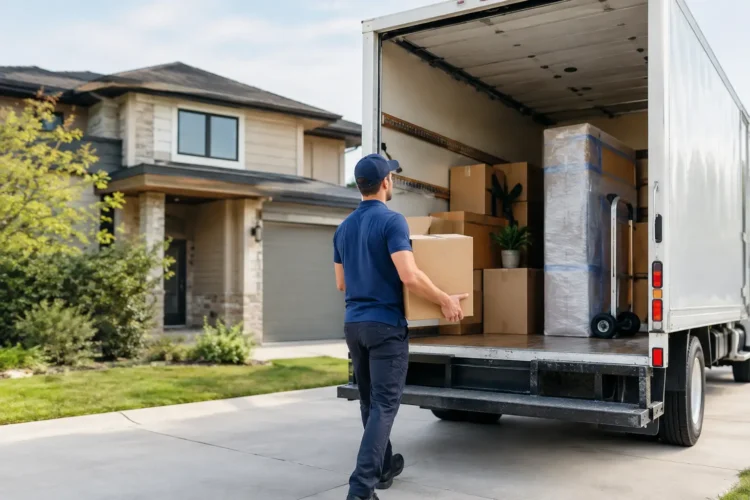



A couch stuck halfway through a doorway can turn a simple move into a long, expensive day. The best way to move furniture is not brute force. It is planning, the right equipment, and knowing when a job is too awkward, too heavy, or too risky to do without trained movers.
Furniture gets damaged in the same few ways every time. It is dragged instead of lifted. Legs are left attached when they should be removed. Timber is wrapped poorly. Glass is loaded without support. Mattresses are bent. Walls cop a hit on the way out. If you want to avoid all that, you need a method that protects both the item and the property.
What is the best way to move furniture?
The best way to move furniture depends on three things – size, weight, and access. A bedside table on a ground-floor move is one job. A marble dining table going down a narrow staircase is another. There is no single trick that works for every piece, but there is a reliable process.
Start by checking what can be dismantled. Bed frames, dining tables, modular lounges, desks, and entertainment units are usually safer to move in sections. Taking a few minutes to remove legs, shelves, drawers, or glass panels makes loading easier and lowers the chance of strain injuries or chipped corners.
Next, protect the item properly. Moving blankets, shrink wrap, mattress covers, and corner protectors are not extras. They are what stop friction, dirt, and impact damage during handling and transport. Tape should never go directly on polished timber, fabric, or leather.
Then think about the path, not just the item. Measure doorways, hallways, lifts, stairwells, and the truck space before lifting anything. A lot of delays happen because people plan for the furniture but forget the access.
Why lifting technique matters more than strength
Most furniture-moving injuries happen before the truck is even loaded. People twist while carrying, lift too low from the floor, or try to handle bulky pieces without enough help. Strength helps, but technique matters more.
Heavy items should be lifted with a stable base, bent knees, and clear communication between both ends. If one person is steering and the other is taking the weight blind, the risk goes up quickly. That is especially true on stairs, wet driveways, and tight turns.
Awkward furniture is often harder than heavy furniture. A lightweight bookshelf that is tall and unstable can be more difficult to control than a solid timber coffee table. The shape of the item changes how it should be carried, wrapped, and loaded.
If a piece needs tilting, rotating, or stair carries, it may be time to stop treating it like a DIY job. This is where professional furniture removalists save time and prevent damage that costs more than the move itself.
The best way to move furniture room by room
Living room furniture
Lounges, recliners, TV units, and coffee tables usually need a mix of dismantling and wrapping. Remove detachable cushions and pack them separately. Take the legs off sofas where possible. Glass shelves should always be removed and wrapped on their own, never left inside a cabinet.
For entertainment units, empty them fully. Drawers can sometimes stay in place if they are secured, but only if the unit is stable and not too heavy. Otherwise, take them out and move them separately.
Bedroom furniture
Beds are easier to move when broken down completely. Keep bolts and fittings in labelled bags and tape the bag to an internal part of the frame, not the visible surface. Mattresses need covers to stay clean and dry, especially in poor weather.
Tallboys and wardrobes can be deceptive. They look manageable until a drawer slides open mid-carry or the unit becomes top-heavy on stairs. Emptying drawers reduces weight and stops internal damage.
Dining furniture
Dining tables are one of the most commonly damaged items in house moves. Legs should be removed if the design allows it. Tabletops need padded wrapping, especially if they are stone, glass, or high-gloss timber.
Chairs can often be stacked or grouped, but they still need protection where surfaces touch. Rubbing damage is common in transit if they are packed too tightly without padding.
Office furniture
Desks, filing cabinets, and office chairs can slow down a move if they are not prepared first. Cabling should be labelled before disconnection. Drawers should be emptied if the unit is being lifted by hand. For small Melbourne office moves, the fastest jobs usually come from clear prep and staged loading rather than trying to pack and shift everything at once.
Equipment that actually makes moving furniture easier
Good equipment changes the job completely. A trolley, dolly, lifting straps, moving blankets, and tie-downs reduce manual strain and help keep furniture stable in transit. Skates can help on flat internal surfaces, but they are not a fix for stairs, uneven ground, or steep driveways.
A truck with the right loading height and internal securing points matters too. Furniture should not just fit in the truck. It should be loaded in a way that prevents movement, pressure damage, and collapse during braking or turns.
This is where many self-moves go wrong. People focus on getting the item into the vehicle, but not on how it travels once the doors are shut. A badly loaded van can undo all the care taken at pickup.
When DIY works and when it does not
DIY can work for small, straightforward moves. If you are moving a few light items, staying local, and have good access at both ends, doing it yourself may be fine. It can also make sense if the furniture is low-value and easy to replace.
But the trade-off is real. You need enough people, the right vehicle, the right protective materials, and enough time to do it properly. What looks cheaper at first can get expensive fast if a table cracks, a wall is gouged, or someone ends up with a back injury.
For larger homes, multi-storey properties, difficult access, or valuable items, hiring professionals is usually the better call. The best way to move furniture in those situations is with trained movers who know how to dismantle, protect, carry, load, and reassemble without trial and error.
That is even more important for pianos, pool tables, antiques, and oversized pieces. These are not standard lifts. They need specialised handling and proper risk control.
How to protect your home while moving furniture
People often focus on the furniture and forget the property. Doors, bannisters, floors, and walls take a lot of hits during a rushed move. Protection should start before the first item is lifted.
Use floor runners or drop sheets in high-traffic areas. Pad sharp corners near exits. Keep doorways clear. If you are in an apartment, check lift access and building rules ahead of time. Some buildings require lift bookings or restricted move times, and missing that can blow out your whole schedule.
Weather matters as well. Rain turns entrances slippery and makes fabric items vulnerable. On hot days, leather and vinyl can mark more easily if they are pressed or dragged. The best results come from planning around the conditions, not just the booking time.
Common mistakes that cost time and money
The biggest mistake is underestimating the job. People assume furniture removal is mostly lifting, when in reality it is prep, access, protection, loading strategy, and timing.
Another mistake is using the wrong materials. Old doonas, loose sheets, and bits of cardboard are better than nothing, but they do not hold furniture securely during transport. Purpose-made moving materials exist for a reason.
Last-minute packing is another problem. If movers are waiting while drawers are emptied or bed frames are still assembled, the job gets slower and more expensive. Being ready on the day saves money whether you are paying hourly rates or trying to finish a DIY move before the hire period ends.
Choosing the right help
If you are booking movers, look for more than a cheap hourly rate. You want clear pricing, insurance cover, proper equipment, and experience with the type of furniture you own. Ask whether dismantling, reassembly, wrapping, and specialty-item handling are part of the service or charged separately.
A dependable removalist should be able to tell you what is realistic, what needs extra care, and how long the move is likely to take. Straight answers matter. So does turning up prepared.
For households and businesses that want less friction on moving day, a full-service team can make the whole job cleaner and faster. Blaze Removals works this way because furniture moving is not just transport. It is handling, protection, timing, and accountability from start to finish.
If you want the move to go smoothly, treat furniture like the high-risk part of the job that it is. A bit of planning beats panic every time, and the right help can save your back, your walls, and your weekend.