


A move usually starts going wrong before the truck arrives. It starts when cheap boxes split at the bottom, tape lifts in the cold, or a few sheets of paper are expected to protect glassware. Choosing the best packing materials for moving is not about buying everything on the shelf. It is about using the right materials for the items you actually own, so they arrive intact and the day stays on schedule.
If you are packing a flat in Melbourne CBD, a family home in Point Cook, or a small office move with deadlines attached, the principle is the same. Good materials save time, reduce breakages, and make loading safer. Bad materials create double handling, damaged furniture, and a lot of stress you do not need.
What the best packing materials for moving actually do
The right packing supplies do three jobs. First, they protect items from impact. Second, they keep boxes stable while stacked and carried. Third, they make unpacking faster because everything is easier to identify and place.
That sounds simple, but the trade-offs matter. Stronger materials usually cost more upfront. Lighter materials can be cheaper, but they may fail when a box is lifted from the bottom or stacked in the truck. For most households, the sweet spot is not premium everything. It is using standard materials for everyday goods and reserving heavy-duty protection for fragile, valuable, or awkward items.
Boxes matter more than most people think
A moving box is not just a container. It is part of the handling system. If the box size is wrong, the weight distribution is wrong. If the cardboard is weak, the whole stack becomes unstable.
Small boxes are best for books, tools, pantry items, and anything dense. Large boxes suit linen, clothes, cushions, and lighter household goods. Medium boxes cover most general packing. This sounds obvious, but many people overfill large boxes with heavy items because it feels efficient. It is not. A box that is too heavy is harder to carry, more likely to split, and more dangerous on stairs.
Heavy-duty double-walled boxes are worth it for kitchenware, office equipment, and anything fragile. Single-walled cartons can still work for lighter items, but they are less forgiving if they are stacked tightly or shifted during transit. If a box is going interstate or into storage, stronger cardboard becomes even more important.
Packing paper beats newspaper for most jobs
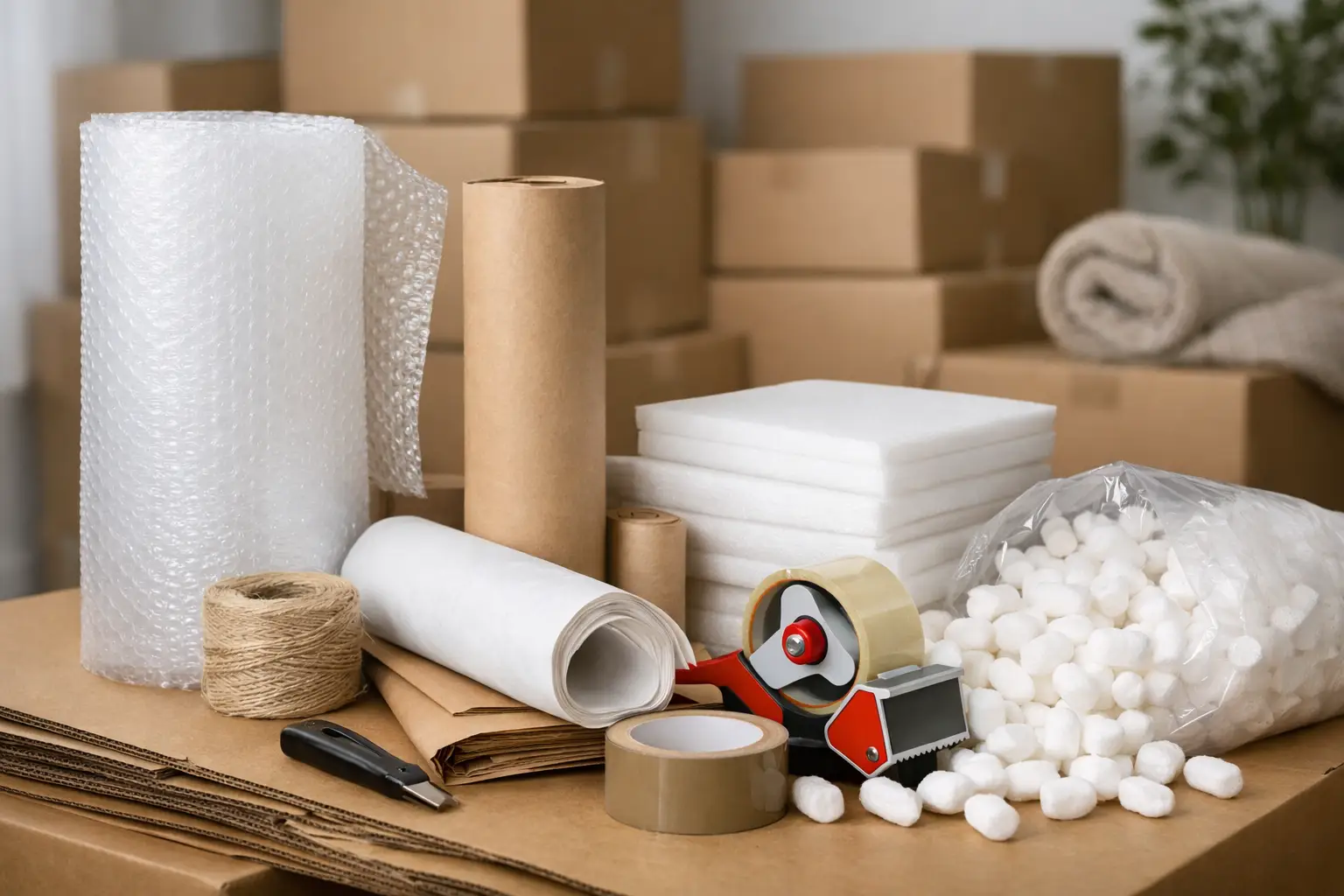
Plain packing paper is one of the most useful materials in any move. It wraps plates, glasses, ornaments, and kitchen items without leaving ink marks. It is also good for filling empty space inside boxes, which matters because movement inside the box is what causes many breakages.
Newspaper is cheaper and easy to find, but it is not ideal for everything. Ink can transfer onto ceramics, fabric, and lighter surfaces. It can still be fine for filling gaps around non-sensitive items, but for anything you care about, clean packing paper is the better choice.
A common mistake is using too little paper. Fragile items need wrapping, but they also need cushioning between them and around them. A well-packed box should feel firm, not loose.
Bubble wrap has its place, but do not use it everywhere
Bubble wrap is useful, especially for glass, décor, electronics, and framed pieces. It absorbs impact well and gives shape around awkward items. For highly fragile goods, it is often the safest option.
But there is a point where bubble wrap becomes wasteful. Bulky wrap on every item can make boxes oversized and difficult to stack. It also adds cost quickly. For everyday kitchenware, packing paper often does the job just as well. Bubble wrap is best saved for the items that genuinely need impact protection, such as stemware, monitor screens, lamps, and sentimental pieces.
If you are packing electronics, anti-static protection may also matter. Standard bubble wrap is not always the best direct contact layer for sensitive equipment. In those cases, using the original box and inserts is still the best outcome if you have them.
Good tape is non-negotiable
People often spend on boxes and then buy the cheapest tape available. That is where trouble starts. Weak tape peels, snaps, or fails under weight, especially when boxes are exposed to temperature changes or carried repeatedly.
A proper packing tape with strong adhesive is worth the extra spend. Seal the bottom of every box before filling it, then reinforce the top once packed. Heavy boxes should have extra strips across the seams. It is a small step, but it prevents the kind of failure that damages items and delays the whole move.
A tape dispenser also makes a real difference. It speeds up packing, gives cleaner seals, and reduces frustration. If you are packing an entire household, that time adds up.
Furniture protection is not optional
Boxes get most of the attention, but large furniture often suffers the most visible damage. Scratches, dents, chipped corners, and scuffed fabric usually happen during carrying and loading, not once the truck is moving.
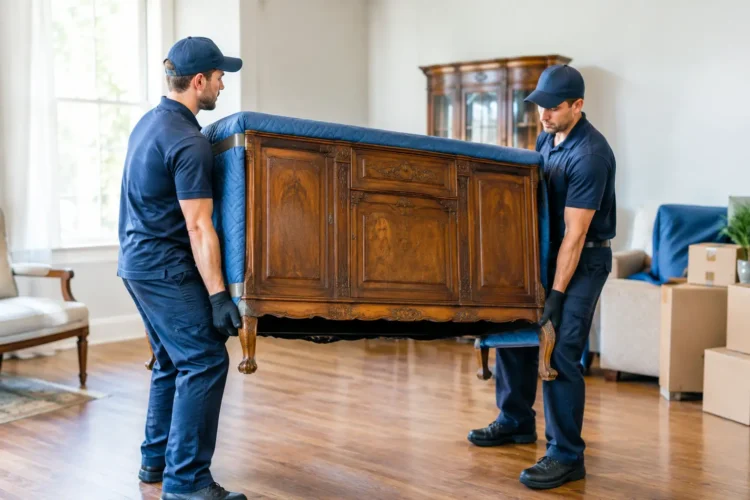
Furniture blankets are one of the best packing materials for moving because they protect surfaces without adding much bulk. They work well for dining tables, bed frames, buffets, desks, and whitegoods. Stretch wrap is also useful, especially for keeping drawers shut, bundling loose parts, and protecting upholstered furniture from dirt and moisture.
These materials do different jobs. Blankets cushion. Stretch wrap secures. Used together, they make handling safer and cleaner. What stretch wrap should not do is replace proper padding on timber, glass, or polished finishes. Wrapped too tightly on its own, it can still leave surfaces exposed to knocks.
Labels are basic, but they prevent expensive mistakes
The best packing job is not just about protection. It is about control. Clear labels help movers place boxes in the right rooms, help you prioritise what to unpack first, and reduce rough handling on fragile loads.
A black marker is usually enough, but the system matters. Mark the room, key contents, and whether the box is fragile or should stay upright. Colour coding can help on larger moves or office relocations where speed matters. The more specific you are, the less guesswork there is on moving day.
Unlabelled boxes create delays. They also lead to poor stacking decisions because no one can tell what is inside.
Specialty items need specialty materials
Not every home has a piano or pool table, but most homes have at least a few items that need more than standard cartons and wrap. Mirrors, artwork, TVs, computers, and odd-shaped décor often need custom protection.
Picture boxes and TV cartons are useful because they reduce movement and protect edges. Mattress bags keep bedding clean. Port-a-robes make clothing transport faster and easier, especially if you are packing in a hurry. For office moves, archive boxes can keep files stable and accessible.
This is where DIY packing can get expensive if you guess wrong. Using standard boxes for a large mirror or loose wrap for a television may seem fine until one sharp corner takes a hit. If an item is costly, awkward, or hard to replace, it usually deserves purpose-built packing.
How to choose the best packing materials for moving your home
Start with what you own, not a generic checklist. If you have a kitchen full of ceramics and glass, put more budget into heavy-duty boxes, packing paper, and some bubble wrap. If you have mostly clothes, toys, and linen, you can rely more on standard cartons and fewer protective layers.
Think about distance as well. A local move within Melbourne may involve less handling than a longer interstate relocation, but items are still lifted, stacked, and shifted. If the move includes storage, stairs, tight access, or multiple stops, stronger materials become more important because the risk of wear goes up.
Time matters too. If you are packing slowly over a few weeks, flimsy materials may weaken before moving day even arrives. Good boxes and proper tape hold up better when packed early and stacked in the garage or spare room.
When professional packing is worth it
Some moves are straightforward. Others have expensive furniture, fragile collections, business equipment, or a hard deadline. That is when professional packing support can make sense.
Trained movers know how to protect weight-bearing boxes, stack cartons properly, wrap furniture for transport, and handle awkward items without wasting materials. It is not just about convenience. It can also reduce the risk of damage, especially when there are specialty items involved.
For households trying to balance work, kids, settlement dates, and utility changeovers, packing often becomes the part that slips. If that sounds familiar, getting help with the packing can make the rest of the move far more manageable.
The smartest packing materials are the ones that suit the job, not the ones with the biggest price tag. Pack heavy items in small strong boxes, protect fragile goods with paper and targeted wrap, secure furniture properly, and label everything clearly. A smooth move is rarely an accident. It usually comes down to solid preparation and materials that do their job when it counts.