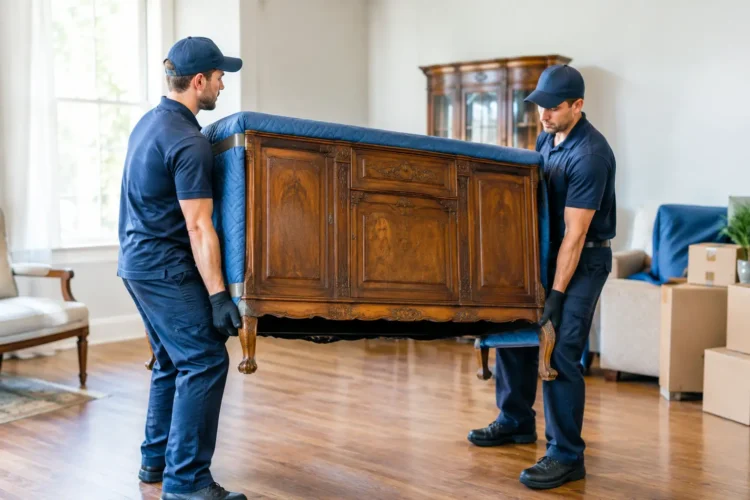




A house move usually goes off track long before the truck arrives. It happens when boxes are left too late, access is not checked, or nobody is sure what is being moved and what is being left behind. If you are wondering how to prepare for house removals without the usual stress, the answer is simple – plan early, pack with purpose, and remove as many unknowns as possible before moving day.
The most organised moves are not always the biggest or the most expensive. They are the ones where the customer knows what needs to happen, when it needs to happen, and who is responsible for each part of the job. That matters whether you are moving from a small unit in Melbourne CBD, upgrading to a family home in Point Cook, or relocating from Geelong to another part of Victoria.
How to prepare for house removals without last-minute chaos
Start with your moving date, then work backwards. As soon as the date is confirmed, lock in your removals booking. Waiting can limit your options, especially around weekends, end-of-month periods, and school holiday peaks. A confirmed booking gives you a fixed point to plan around, including time off work, key collection, bond cleaning, and utility transfers.
Once the date is set, sort your home room by room. Most people overestimate how much they need to keep and underestimate how long packing takes. Removing unwanted items before the move reduces box count, labour time, and transport costs. It also makes unpacking much easier in the new place.
If something is broken, unused, or not worth transporting, deal with it before the move. Sell it, donate it, recycle it, or put it out with hard rubbish if your council allows it. Paying to move clutter from one property to another is rarely money well spent.
Book the right removals service for the job
Not every move needs the same level of support. Some households only want transport. Others need packing, unpacking, furniture dismantling, or help with difficult items such as pianos, pool tables, or oversized lounges. The better your mover understands the scope, the fewer surprises there will be on the day.
Be clear about access at both properties. Let your removalist know if there are stairs, lifts, narrow hallways, low-clearance driveways, time-restricted loading zones, or long walking distances from the truck to the front door. These details affect time, crew size, and the type of vehicle needed.
This is also the time to ask practical questions about insurance cover, timing windows, what packing materials are recommended, and whether appliances or furniture need to be disconnected or dismantled in advance. Good operators will give you straight answers and set expectations early.
Packing properly saves time and money
Packing is where many moves either tighten up or blow out. Poorly packed boxes slow the job down, increase the risk of breakage, and make stacking in the truck harder than it needs to be.
Use strong moving boxes in sensible sizes. Heavy items such as books should go into smaller cartons. Lighter and bulkier items such as linen can go into larger ones. Do not overfill boxes to the point where they split or become unsafe to lift. If a box needs two people to move, it is packed wrong.
Wrap fragile items properly with packing paper, bubble wrap, towels, or linen where appropriate. Plates should be packed upright, glasses separated, and gaps filled so items do not shift in transit. Label boxes by room and note if they are fragile. A clear label beats guessing when unload time starts.
Keep box weights consistent where possible. That helps with safe handling and better truck loading. It also prevents the common problem of one crushed box ruining what is underneath it.
Pack an essentials box that stays with you
Your first night box should not end up buried behind ten cartons of kitchenware. Pack a separate essentials box or suitcase with chargers, medication, toiletries, toilet paper, kettle, cups, snacks, important documents, kids’ items, pet supplies, and a change of clothes. If you are moving with children, add comfort items and something to keep them occupied.
For many households, this one step makes the first 24 hours far easier. You do not want to be opening every box at 9 pm looking for a mobile charger or school uniform.
Get furniture and appliances ready before moving day
Large items need more than a quick wipe-down and a hope for the best. If furniture can be dismantled safely, doing it in advance can save time and reduce the chance of damage through tight doorways or stairwells. Keep screws, bolts, and fittings in labelled bags taped securely to the relevant item.
Empty drawers where needed, especially on heavy furniture. Secure doors on cabinets and fridges. Defrost the fridge and freezer ahead of time and make sure they are dry before transport. Washing machines and dishwashers should be drained properly. If gas or electrical disconnections are required, arrange qualified trades where necessary rather than leaving it for moving day.
Take photos of cable setups for TVs, routers, and office equipment before unplugging them. It makes reconnection faster and avoids the usual guessing game later.
Protect the details people forget
The basics are obvious. It is the smaller tasks that usually cause delays.
Redirect your mail. Update your address with banks, insurers, schools, employers, subscriptions, and medical providers. Arrange utility connections for the new property so power, water, gas, and internet are active when you arrive. Confirm key handover times with the agent, landlord, or seller. If building management approval is needed for lift access or loading bays, get that sorted early.
If you live in an apartment or townhouse complex, ask about parking restrictions and move-in rules. In parts of Melbourne CBD and other busy areas, access can be the difference between an efficient move and an expensive delay.
How to prepare for house removals when children or pets are involved
Moving day is not just a logistics exercise. It is loud, busy, and full of open doors. For young children and pets, that can mean stress and safety risks.
If possible, arrange for them to stay with family or friends during the main part of the move. If that is not practical, keep them in a quiet, secure space with familiar items until it is time to leave. Pets should have food, water, leads, carriers, and updated identification details. Children should know what to expect and have a small bag of essentials within easy reach.
A calmer environment helps the crew work faster and gives you more headspace to focus on the move itself.
Prepare the property for the removalists
A little preparation at both ends saves real time. Clear driveways, walkways, and entry points. Remove trip hazards such as loose mats, pot plants, bikes, and toys. If the weather looks rough, have towels ready and protect floors where needed.
Make sure the movers can see what is staying and what is going. This matters if some rooms are not being moved or if certain items are heading into storage. A quick walkthrough before loading begins prevents confusion and reduces the risk of mistakes.
If there are fragile surfaces, fresh paint, or difficult access points, point them out immediately. Practical information on arrival is far more useful than trying to solve a problem halfway through the job.
What to do the day before the move
The final day should be about checking, not scrambling. Finish packing, charge your mobile, back up important files, and keep keys, wallets, and paperwork together. Confirm arrival times if needed. Empty bins, do a last fridge check, and set aside cleaning supplies for the old property.
Walk through every cupboard, shelf, and storage area. Garages, sheds, laundry cupboards, and linen presses are where forgotten items usually hide. If you are in a rental, keep your condition report and final inspection notes handy.
Try to get a decent night’s sleep. It sounds obvious, but tired decisions create avoidable problems on moving day.
A better move starts before the truck arrives
Knowing how to prepare for house removals is really about reducing friction. The less guesswork there is, the faster the move, the safer your belongings, and the easier it is to settle into the new place. A professional removalist can carry the load, but good preparation is what keeps the whole job on track.
If your move needs more than just a truck and two hands, it pays to choose a team that can handle packing, transport, heavy items, and the details that slow other moves down. Blaze Removals works with Melbourne households that want a move done properly – with clear pricing, careful handling, and no wasted time. A solid move starts with a solid plan, and the best time to start is before the first box is taped shut.