

A chipped wine glass or cracked lamp usually comes down to one thing – poor packing, not bad luck. If you are working out how to pack fragile items for a move, the goal is simple: stop movement, spread pressure evenly, and give each item enough cushioning to handle lifting, stacking and transport.
That sounds straightforward, but fragile packing goes wrong when people rush it or use the wrong materials. A tea towel around a vase might feel secure in the moment, yet it will not do much once the box is shifted, tilted or stacked under heavier items. Good packing is less about stuffing a box with paper and more about using the right method for the item in front of you.
What actually keeps fragile items safe
Most breakages happen in one of three ways. Items knock into each other inside the box, weight from above creates pressure points, or the box itself flexes because it is too weak or poorly packed. That is why knowing how to pack fragile items starts with understanding what you are protecting them from.
You need a strong box, proper wrapping, and no empty space that lets things slide around. At the same time, overpacking can be just as risky. If a box is too heavy, it is more likely to be dropped or crushed at the bottom. The safest fragile box is firm, padded and manageable to carry.
If you are packing for a house move in Melbourne, that also means planning for real transport conditions. Boxes are lifted in and out of homes, loaded into trucks, and secured beside furniture and appliances. Packing has to hold up to movement, not just look tidy in the lounge room.
Start with the right packing materials
Cheap boxes and makeshift padding often cost more in the long run. For fragile items, use double-walled boxes where possible, especially for kitchenware, glassware and decorative pieces. But the box is only one part of the job.
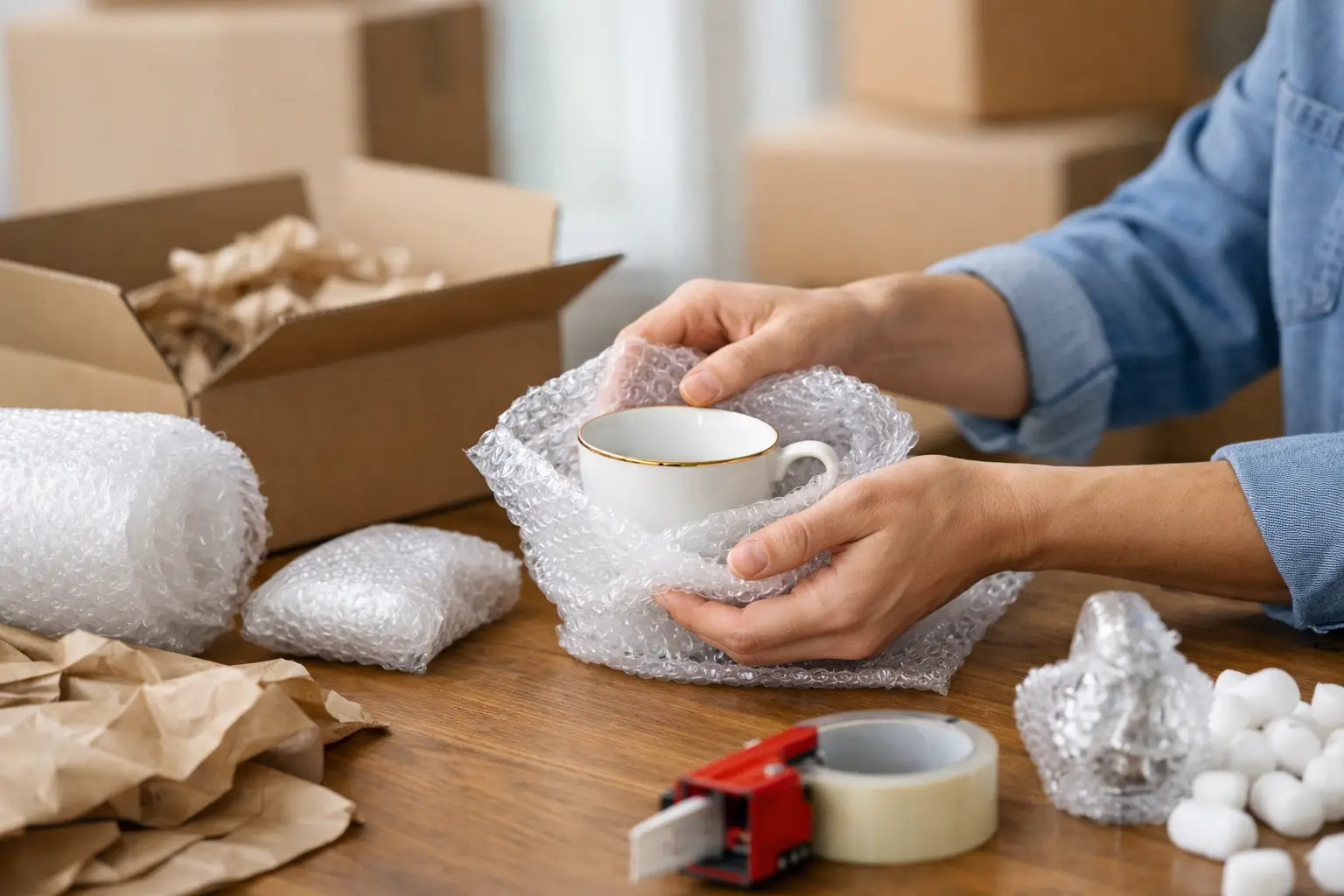
You will usually need packing paper, bubble wrap, strong tape and a marker for labelling. For heavier fragile goods, cardboard dividers can help keep items separate. Towels and linen can work as backup padding, but they should not replace proper wrapping for delicate pieces. Soft fabric shifts too easily and does not give the same protection around edges and corners.
A common mistake is relying on newspaper. It can leave ink marks, and it does not cushion as well as clean packing paper. If the item is valuable, sentimental or difficult to replace, use purpose-made materials. That extra spend is small compared with replacing damaged goods.
How to pack fragile items room by room
Kitchen glassware and plates
Kitchen items are some of the most frequently broken belongings in any move because people underestimate how tightly they need to be packed. Wrap each glass individually with packing paper, paying extra attention to the stem or rim if it is delicate. Then place glasses upright in the box with padding between them. Do not stack them inside one another unless they were designed for that.
Plates are safer packed on their edge rather than laid flat. It sounds backwards, but flat stacks take direct pressure from above and crack more easily. Wrap each plate separately, group a few together with more paper around them, and stand them vertically in a reinforced box. Add crushed paper or padding to the bottom and top so nothing shifts.
Bowls, mugs and serving dishes need the same thinking. Wrap each one, fill hollow spaces where needed, and never let ceramic edges sit directly against another hard surface.
Vases, decor and oddly shaped pieces
Decorative items are tricky because they are often light but awkward. A vase with a narrow neck, a lamp base with curves, or a sculpture with projecting parts all need extra attention where the shape changes. Fragile points should be wrapped first, then the full item should be cushioned again before boxing.
For hollow items like vases, do not leave the inside empty if the piece is thin or delicate. A small amount of scrunched packing paper can add internal support, as long as you are not forcing pressure into the item. The key is gentle reinforcement, not stuffing it tight.
If an item has removable parts, take them off and pack them separately. Lampshades, for example, should not be crushed into boxes with their base. Pack shades in their own box with light padding and keep weight off them completely.
Electronics and screens
Electronics are fragile in a different way. The outside might seem sturdy, but internal components do not respond well to shock, pressure or moisture. Original boxes are ideal if you still have them, especially for televisions, monitors and speakers. They are shaped for the item and usually include proper inserts.
If you do not have the original packaging, wrap screens with a soft protective layer first, then add bubble wrap and place the item in a snug box with cushioning on all sides. Cables, remotes and accessories should be packed together in labelled bags so they do not scratch the item or go missing.
It is also worth being realistic here. Large TVs, computers and office equipment can be packed at home, but poor handling during loading is where damage often happens. For higher-value electronics, professional packing and transport may be the safer call.
The boxing method matters as much as the wrapping
One well-wrapped item in a badly packed box can still break. The box should be prepared before anything goes in. Tape the bottom properly with multiple strips, then add a cushioning layer. Once the items are packed, fill all remaining gaps so there is no movement when you gently shake the box.
That shake test is useful. If you hear clinking or feel things shifting, the box is not ready. Add more padding until the contents stay in place. Then seal the top securely and label the box clearly as fragile.
Labelling will not magically protect a poor packing job, but it does help with handling. Mark the top side if there is a correct orientation, especially for glasses, lamps and electronics. If the box must not be stacked, say so clearly.
When not to overpack a box
People trying to save on boxes often create one heavy carton full of plates, glassware and serving pieces. That is asking for trouble. Even if everything inside is wrapped, the weight puts pressure on the lower items and makes the box harder to carry safely.
Split fragile belongings across multiple smaller boxes instead. It is easier to lift, easier to stack in the truck, and far less likely to collapse. This is especially important with dense items such as ceramics, framed pieces and stoneware.
There is always a balance. Too much empty space is bad, but so is cramming everything in until the box bulges. The best result is a box that feels compact and stable without being strained.
Fragile items that need extra care
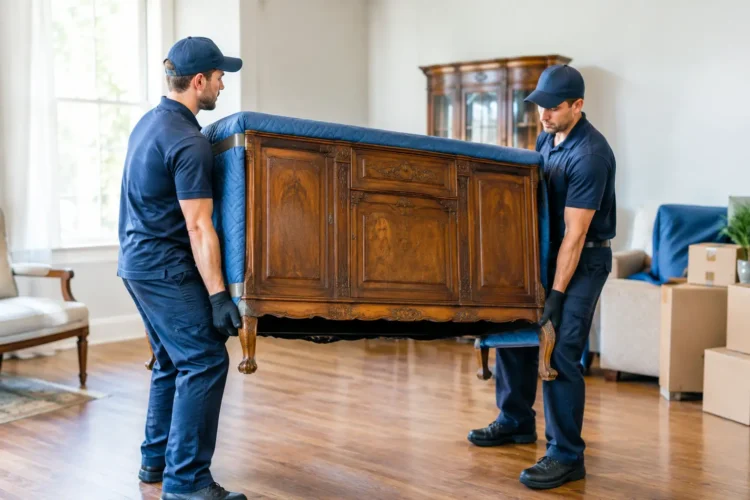
Some belongings sit outside normal DIY packing. Mirrors, artwork, marble tops, antiques, pianos and pool tables need more than bubble wrap and cardboard. They often require custom protection, careful lifting technique and the right vehicle setup.
Framed artwork and mirrors should never be boxed like ordinary flat items with loose packing thrown around them. The corners and the glass face need targeted protection. Likewise, antiques may have weak joints or ageing materials that react badly to pressure and vibration.
This is where people often weigh up cost against risk. If the item is expensive, oversized or difficult to replace, professional packing is usually the smart option. You are not just paying for materials. You are paying for handling experience, proper loading and less chance of an avoidable insurance claim later.
How to pack fragile items without wasting time
If you leave all fragile packing until the night before moving, mistakes are almost guaranteed. Start early with the least-used items and pack by category, not randomly. Glassware with glassware, decor with decor, office tech with office tech. That keeps your method consistent and makes unpacking easier.
Set up one packing station with boxes, paper, tape and markers within reach. Pack one box fully before starting the next. Half-packed cartons scattered around the house slow everything down and increase the odds of something being missed or packed badly.
If time is tight, focus on your highest-risk items first. Everyday cups can be replaced more easily than a family heirloom, a framed print or a television. Protect what would hurt most to lose.
For households and businesses that want less hassle, packing support can save a serious amount of stress. Blaze Removals handles fragile packing with the same practical focus as the move itself – secure materials, trained handling and a process built to reduce damage, not just move boxes faster.
Fragile packing is not about wrapping everything in layers and hoping for the best. It is about giving each item the right support for the trip ahead. Get that right, and unpacking at the other end feels a lot less like damage control.