



Booking movers without asking the right things is how a simple move turns into a long, expensive day. The best questions to ask removalists are the ones that tell you how they price, how they protect your belongings, and what happens when the move does not go exactly to plan.
Some companies sound great on the phone, then go vague when you ask about access, extra charges or damaged items. That is usually the warning sign. A professional removalist should be able to give clear answers, explain the process in plain English and tell you what is included before moving day arrives.
Why the right questions matter
Most people compare movers on price first. Fair enough. But the cheapest quote is not always the cheapest move once stair fees, travel time, packing materials, oversized items and delays are added on.
Asking better questions helps you compare like for like. It also tells you whether the business is organised, insured and used to handling the kind of move you actually have, whether that is a one-bedroom flat in Melbourne CBD, a family home in Point Cook, or a small office relocation with tight access and strict timeframes.
Questions to ask removalists about pricing
Price is where misunderstandings usually start, so get specific early. Ask whether the job is charged hourly or at a fixed price. For local moves, hourly rates are common, but you still need to know when the clock starts and stops. Some businesses charge from depot to depot, while others charge from arrival at your property.
Ask what is included in the quoted rate. You want to know whether fuel, tolls, GST, blankets, trolleys and basic furniture protection are already built in. If they are not, the final bill can shift quickly.
It is also worth asking whether there is a minimum booking time. A two-hour minimum sounds fine until your move only takes ninety minutes and you are still billed for extra time. On the other hand, larger homes often run longer than expected, so a realistic estimate matters more than an unrealistically low starting figure.
If you are moving interstate or over a longer distance, ask whether the quote is fixed and under what conditions it can change. A fixed quote gives more certainty, but only if the inventory and access details are accurate.
Questions to ask removalists about hidden costs
This is where blunt questions save money. Ask whether there are extra fees for stairs, lifts, long carry distances, difficult driveway access, weekend bookings or last-minute changes. If you live in an apartment building with loading dock rules or narrow access, bring that up straight away.
You should also ask what happens if settlement is delayed, keys are late, or the new property is not ready. Waiting time can become a real cost, especially on busy moving days. A removalist with a clear policy is easier to work with than one who makes it up as they go.
Are you insured, and what does that cover?
A lot of customers ask if the company is insured, but stop there. Go one step further. Ask what type of insurance applies, what is covered during transit, and whether there are exclusions for certain items.
That matters because public liability and transit cover are not the same thing. One protects against certain accidents or property damage, while the other may relate to your goods in transit. If you have expensive artwork, electronics, antiques, a piano or a pool table, ask specifically how those items are covered and handled.
A reliable operator will not dodge this question. They should be clear about what protection is in place and whether you need additional cover for high-value items.
Who will actually be doing the move?
Not every company handles staffing the same way. Ask whether the crew is trained, experienced and employed directly, or whether subcontractors may be used. That does not automatically mean a problem, but you do want to know who is showing up at your door.
You can also ask how many movers will be assigned to the job and what size truck they recommend. Too few movers can drag out the day. Too small a truck can mean extra trips. Too large a truck is not always practical if access is tight.
This question is especially useful for office removals and larger family homes, where planning matters just as much as lifting.
How do you protect furniture and fragile items?
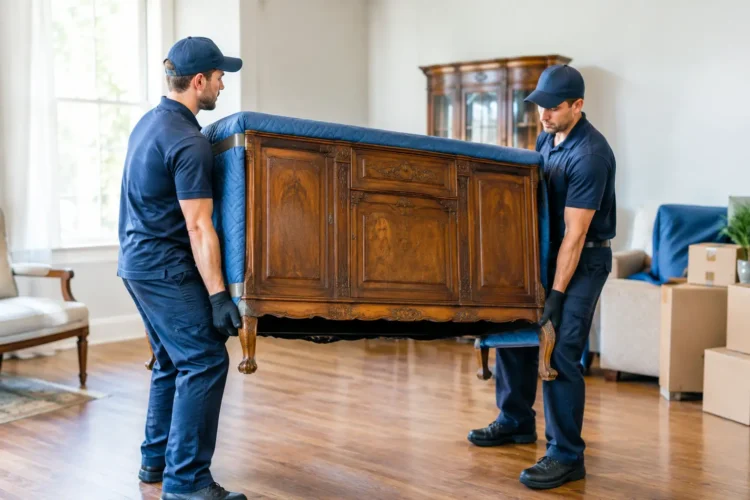
A proper removalist should be able to explain their process without fluff. Ask what they use to protect lounges, mattresses, whitegoods, glass items and timber furniture. Blankets, straps, shrink wrap and trolleys should be standard tools, not optional extras disguised as premium care.
If you have fragile pieces, ask whether they offer packing and unpacking services and whether they can supply cartons and materials beforehand. This is often worth it for kitchens, artwork and breakables, especially if time is tight.
For specialty items, be direct. Ask if they regularly move pianos, pool tables, oversized furniture or heavy office equipment. General moving experience is useful, but specialist handling is a separate skill.
Will you dismantle and reassemble furniture?
This one gets missed all the time. If your bed frame, dining table, workstation or modular office furniture needs to come apart, ask whether dismantling and reassembly are included or charged separately.
Also ask what level of preparation is expected from you. Some removalists want everything emptied and disconnected before arrival. Others can assist with washing machines, fridges or basic furniture setup. The more clarity you have, the smoother the day runs.
What do you need from me before moving day?
Good movers do not just show up. They plan. Ask what information they need in advance so they can quote and prepare properly. That usually includes the property type, number of bedrooms, access issues, inventory size and any bulky or fragile items.
This is also the time to mention practical details like narrow stairwells, underground parking, booking windows for lifts, or streets where truck access is limited. In older suburbs or busy metro areas, these details can add serious time if they are not flagged early.
What happens if something changes?
Moves change. Settlement dates blow out. Tenancy handovers shift. Weather turns. Trucks get delayed by traffic. Ask how flexible the booking is if your schedule changes and how much notice is required to reschedule.
You should also ask what happens if the move takes longer than estimated. A professional business will explain how additional time is billed and what communication you can expect on the day. No one likes surprise costs, but clear updates are easier to handle than silence.
Do you provide written quotes and booking confirmation?
If the quote is only given verbally, push for it in writing. A written quote or estimate should outline pricing, service inclusions, timing, truck size and any known additional charges. That protects both sides.
You should also receive clear booking confirmation with the move date, arrival window and contact details. If a business is vague before the job, they are unlikely to become more organised once the truck is on the road.
Can you handle my type of move?
This sounds obvious, but it matters. A house move, apartment move, office relocation and interstate move all run differently. Ask whether they regularly complete jobs like yours and what they recommend based on your property and timeline.
For example, an apartment move in a busy part of Melbourne may need careful loading dock timing and lift coordination. A regional move may need tighter inventory planning and fixed-price transport. A small business move may need after-hours scheduling to avoid downtime. It depends on the job.
A quick shortlist of smart questions
If you want to keep it simple, these are the core questions to ask removalists before you book:
- How do you charge, and what is included?
- Are there any extra fees for access, delays or heavy items?
- What insurance cover applies to my move?
- Are your movers trained, and how many will be on the job?
- How do you protect furniture and fragile items?
- Do you offer packing, unpacking, dismantling or reassembly?
- What happens if the booking time or access changes?
- Will I receive the quote and booking details in writing?
These questions do more than check a box. They tell you whether the company is transparent, prepared and built to deliver what they promise.
The answers matter as much as the questions
Anyone can say yes to everything on first contact. What you are really looking for is how they answer. Clear, practical detail usually means they know their process. Vague language, rushed replies or reluctance to explain charges usually means trouble later.
That is why experienced movers focus on clarity from the start. Companies like Blaze Removals build trust by being upfront about service options, pricing structure and how belongings are handled, because customers do not need sales spin on moving day. They need a team that turns up ready, works safely and gets the job done properly.
Before you lock in a booking, take ten extra minutes and ask the awkward questions now. It is far easier to sort out pricing, protection and expectations before the truck arrives than when your whole house is sitting in the driveway.