


Moving day usually looks simple on paper. A few boxes, some furniture, a truck, and you are done. In reality, that is where people find out what is home removals and why it is more than just loading items from one address to another. A proper home removals service is about planning, packing, lifting, transport, access management, timing, and protecting your belongings from damage and delays.
If you are comparing quotes or trying to decide whether you need movers at all, it helps to know exactly what the service covers, what it does not, and where the value actually sits.
What is home removals?
Home removals is the professional service of relocating household belongings from one home to another. That can mean moving from an apartment to a house, shifting between suburbs, downsizing, upsizing, or relocating interstate. The job may be as simple as transporting packed boxes and furniture, or as involved as full packing, dismantling furniture, moving specialty items, unloading, reassembly, and unpacking.
The key point is this. Home removals is not just transport. A removalist service is designed to manage the physical and practical side of moving house safely and efficiently.
That matters because most moving problems do not happen on the road. They happen before the truck leaves. Poor packing, awkward access, rushed loading, damaged furniture, scratched walls, missing hardware, and underestimating how long the move will take are the issues that turn a straightforward move into a long day.
What a home removals service usually includes
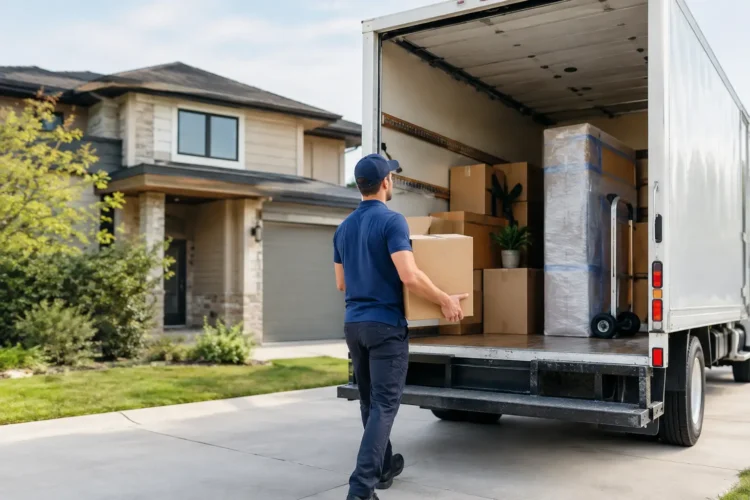
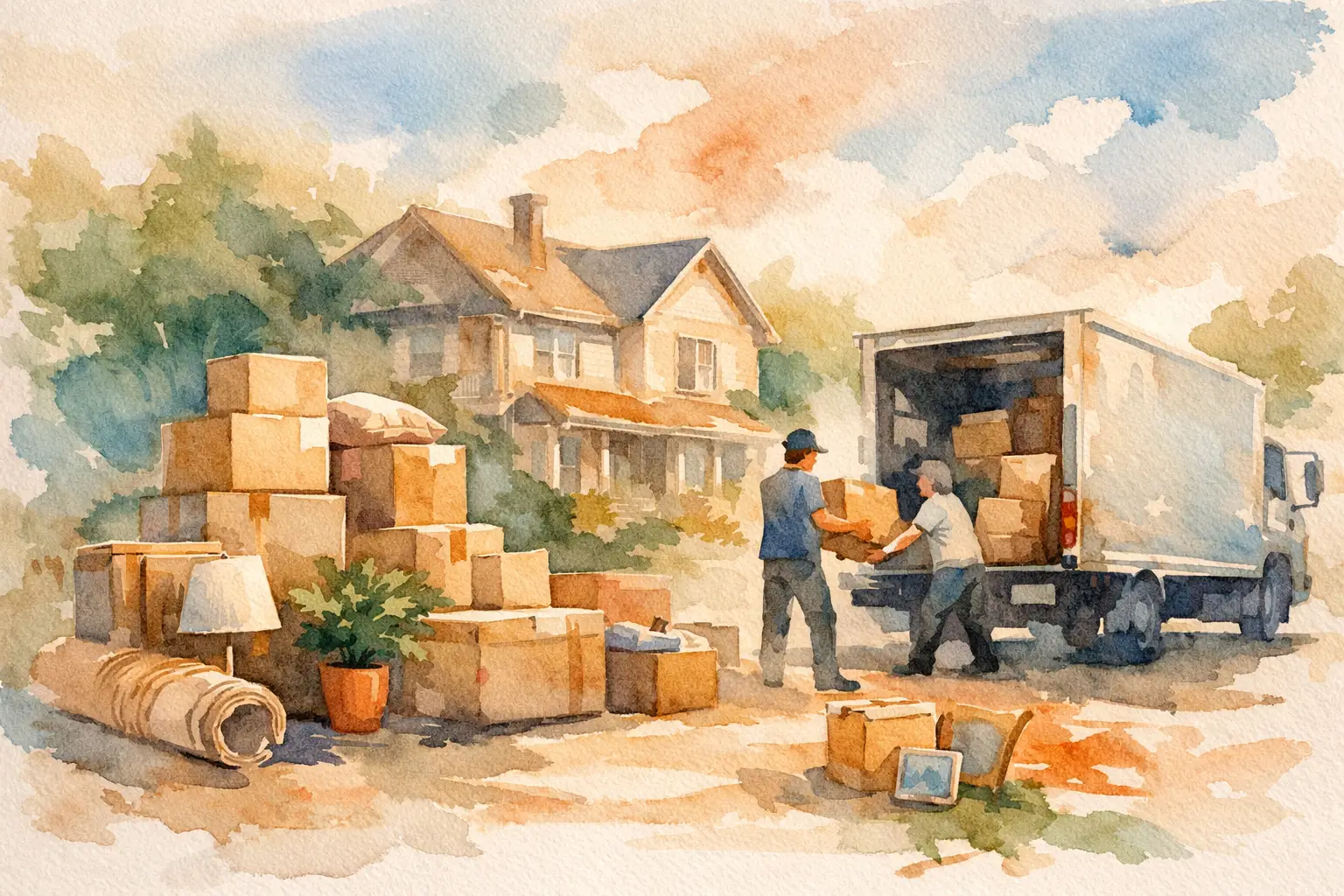
Most home removals jobs start with the basics. The removal team arrives with a truck, loading equipment, and the labour needed to move your household items. They load your furniture and boxes, secure them for transport, drive to the new address, and unload everything there.
Beyond that, the inclusions depend on the service level you book. Some customers only want help with the heavy lifting. Others want the move handled from start to finish.
A standard service often includes furniture handling, loading and unloading, transport, and placement of larger items into the correct rooms. Many providers also offer protective wrapping for furniture on the day, especially for mattresses, lounges, timber pieces, and whitegoods.
A more complete service can include pre-packing, supply of packing materials, dismantling bed frames or tables, reassembly at the destination, and unpacking support. If you have items like a piano, pool table, large fridge, antique cabinet, or fragile artwork, that usually falls under specialty-item handling rather than a basic move.
This is where people sometimes compare quotes without comparing scope. One quote may only cover truck and labour. Another may include packing materials, insurance options, protective blankets, trolley equipment, and experienced staff trained to handle difficult items. The cheaper number is not always the better value if the service is stripped back.
What is not always included
Not every removals job is full service, and that is where assumptions can cost time and money.
Packing boxes, disconnecting appliances, reconnecting washing machines, disassembling complex furniture, carrying oversized items up multiple flights of stairs, or removing rubbish after unpacking may not be included unless discussed in advance. The same applies to difficult access conditions such as tight stairwells, long carry distances, lifts with booking restrictions, or properties with limited truck access.
There is also a difference between moving household goods and moving hazardous materials. Most removalists will not transport fuel, gas bottles, certain chemicals, or items that create safety risks in transit.
The practical move is simple. Ask what is included before booking, not on moving day.
How the home removals process works
A good removals job starts well before the truck arrives. First comes the quote stage. You give details about the size of the move, the property type, access at both ends, the distance involved, and whether you need add-on services such as packing or furniture dismantling.
Once the scope is clear, the move is scheduled and confirmed. From there, preparation becomes the difference between a smooth day and a slow one. If you are packing yourself, boxes need to be labelled clearly, fragile items need proper protection, and access points should be kept clear. If the removalist is handling packing, that is usually booked for the day before or the morning of the move, depending on the size of the job.
On moving day, the team will usually protect key furniture items, load the truck in a way that reduces movement in transit, and work through the property methodically. Heavier and bulkier pieces go in first, then boxed items and smaller pieces are fitted around them. At the destination, unloading is not just dropping items off. A professional team places furniture where it belongs so you are not left rearranging a whole house after they leave.
For local moves around Melbourne, timing often comes down to traffic, property access, and how organised the home is before loading starts. For longer distance or interstate moves, scheduling windows, inventory checks, and fixed-price planning become more important.
Why people use professional removalists
The obvious reason is convenience, but that is only part of it. A proper removals service reduces risk.
Large furniture is awkward, not just heavy. A lounge can scrape walls. A fridge can be damaged if handled incorrectly. A mattress can tear in an open trailer. Even a short move can turn expensive if one item is dropped or if friends helping out pull out at the last minute.
Professional removalists bring equipment, process, and experience. That includes trolleys, straps, blankets, loading techniques, and the judgement to know how to move difficult pieces without causing damage. It also means a team that works to a schedule rather than figuring things out as they go.
For families, renters, and busy households, that takes a lot of pressure out of the day. For office managers or small businesses relocating staff or equipment, it is even more critical because downtime has a cost.
What affects the cost of home removals?
Price depends on the size and complexity of the move. A small unit with easy access is usually quicker and cheaper than a four-bedroom home with stairs, narrow entry points, and bulky furniture. Distance matters too. Local jobs are often charged hourly, while interstate jobs are more likely to be fixed price.
Other factors that can change the cost include the number of movers required, truck size, packing services, dismantling and reassembly, specialty items, and whether there are delays caused by access issues. Weekend moves, end-of-month demand, and urgent bookings can also affect availability and cost.
This does not mean you should automatically choose the smallest crew or cheapest package. Sometimes a larger team costs more per hour but finishes far faster, which can make the total cost more reasonable. It depends on the job.
When home removals makes the most sense
If you are moving a single room of boxed items, doing it yourself may be manageable. Once you add beds, sofas, dining settings, whitegoods, stairs, fragile items, or time pressure, the value of removalists becomes much clearer.
Home removals also makes sense when the move needs to run on a tight schedule. Settlement dates, lease handovers, apartment lift bookings, and same-day key collection all leave little room for delays. In those situations, reliability matters more than good intentions.
That is also why many customers choose a provider that can handle more than transport alone. Packing, unpacking, furniture removals, and specialty-item handling all remove separate jobs from your list and put them under one booking.
Choosing the right home removals company
Look for clear quoting, insured service, and a team that asks practical questions before the job is booked. If a company does not ask about stairs, access, inventory size, or specialty items, the quote may not reflect the real move.
You also want service that matches your move, not a one-size-fits-all promise. A small local move in Melbourne should be priced and planned differently from a larger interstate relocation. The right provider will explain what is included, what may cost extra, and how the day is expected to run.
Blaze Removals takes that straightforward approach because customers do not need vague promises. They need a move that is organised, affordable, and handled properly from the first lift to the final unload.
Home removals is really about removing friction. Not every move needs the full package, and not every household has the same priorities. Some want the lowest cost. Others want speed, packing support, or extra care with valuable items. The best choice is the one that fits your property, your timeline, and the level of help you actually need.