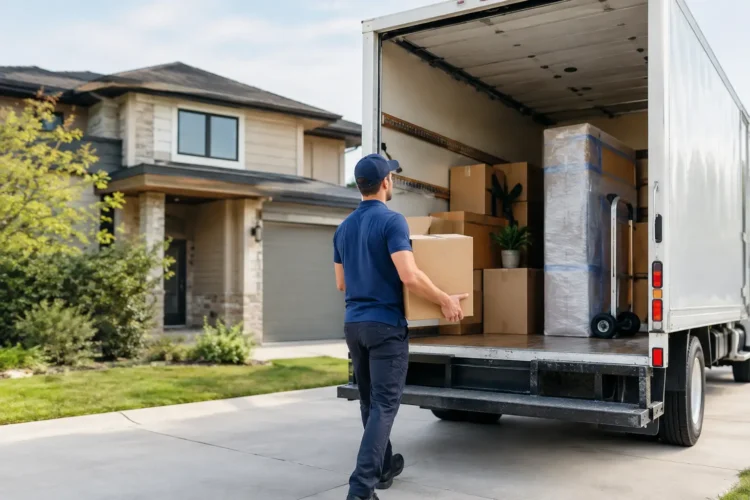



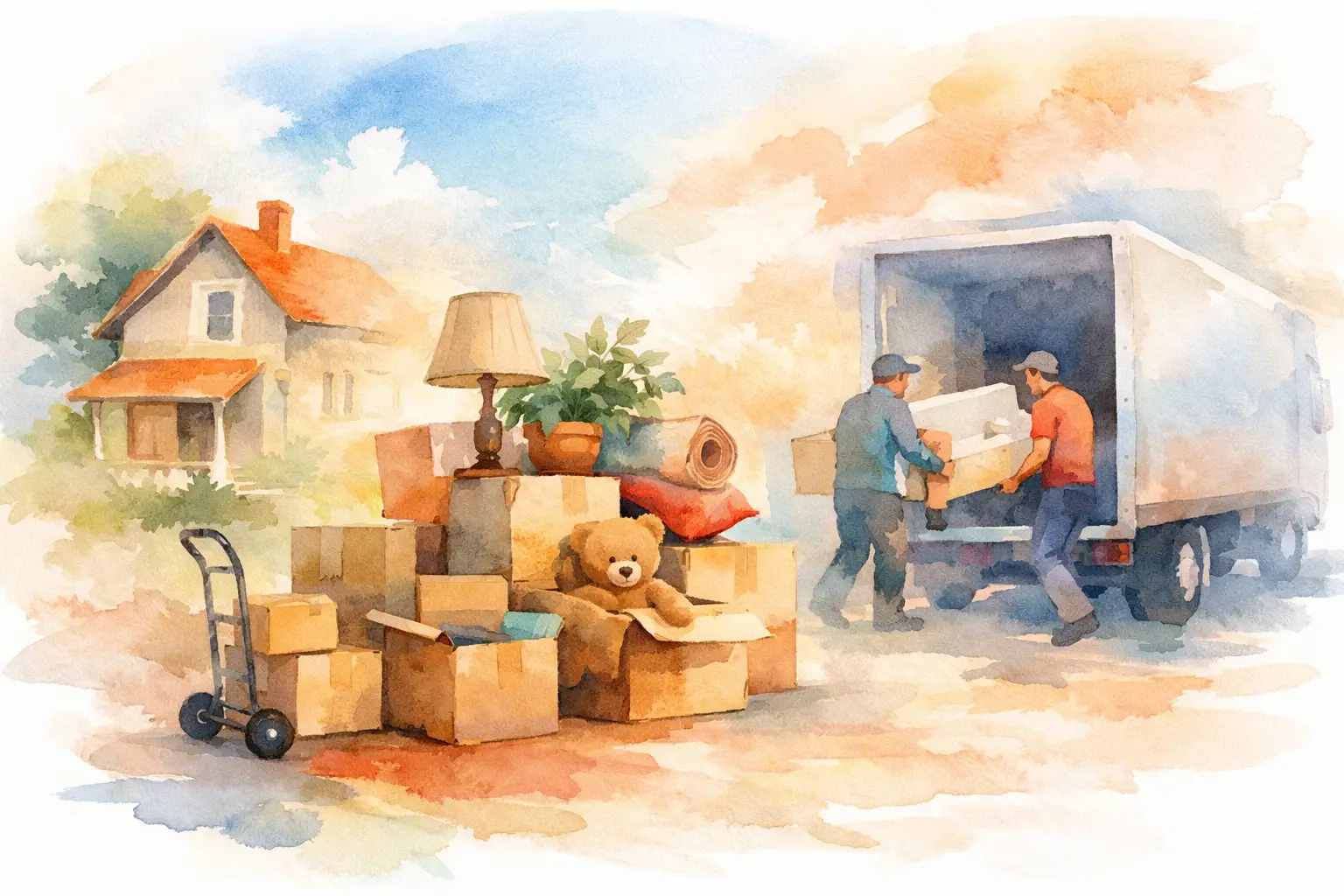
Moving day usually looks simple on paper – boxes packed, truck booked, keys exchanged. In reality, it is stairs, tight access, heavy furniture, fragile items, timing pressure, and a long list of jobs that keep growing. If you have been asking what is domestic removals, the short answer is this: it is the professional moving of household belongings from one home to another.
That can mean far more than loading a truck. Domestic removals often cover packing, furniture protection, lifting, transport, unloading, placement of items in the new home, and sometimes unpacking or reassembly. The exact service depends on what you book, how large the move is, and whether you need help with standard household goods or more difficult items such as pianos, large wardrobes, or pool tables.
What is domestic removals?
Domestic removals is the term used for residential moving services. It applies when a person, couple, family, or household relocates from one property to another, whether that is a small flat, a townhouse, a family home, or a larger interstate move.
The key point is that domestic removals is not just transport. A removalist service is built around handling the full physical side of the move safely and efficiently. That includes planning access, protecting furniture, loading in the right order, securing items for travel, and unloading without damage to your belongings or the property.
For many customers, that distinction matters. Hiring a van and doing it yourself may seem cheaper at first, but the risk is usually in the parts people underestimate – awkward lifting, poor packing, damaged furniture, scratched walls, or a move that blows out by half a day.
What’s usually included in domestic removals?
A standard domestic removals service usually starts with labour and transport. That means trained movers arrive with a truck, lifting equipment, moving blankets, straps, trolleys, and the basic materials needed to move household goods properly.
In most cases, the service includes loading your furniture and boxes, securing them inside the vehicle, transporting them to the new address, and unloading them. Many customers also expect larger furniture to be placed in the correct rooms rather than left at the front door, and that is commonly part of a professional move.
Some jobs include dismantling and reassembly. Beds, dining tables, desks, and modular furniture often need to come apart to be moved safely. Packing and unpacking can also be added if you want less to manage yourself.
Then there are specialty services. Not every move is just cartons and couches. Some households need careful handling for antiques, artwork, mirrors, whitegoods, gym equipment, pianos, or pool tables. Those items require the right equipment and experience, not just extra muscle.
What domestic removals does not always include
This is where people get caught out. Domestic removals can mean a full-service move, but it does not automatically mean every moving-related task is included.
Packing materials may be separate. So might box supply, unpacking, storage, rubbish removal, or furniture assembly beyond basic items. Access issues can also affect the scope of work. If there are multiple flights of stairs, a long carry from the truck, no lift access, or tight internal spaces, that may change the price and timing.
Cleaning is another separate service in most cases. So is disconnecting appliances, reconnecting washing machines, or handling certain restricted or hazardous goods. The smart move is to confirm exactly what the quote covers before booking.
How a domestic removals job usually works
The process is usually straightforward when the job is planned properly. First comes the quote. This can be hourly for local moves or fixed-price for longer-distance and interstate work, depending on the job structure.
You will normally be asked for the property size, pickup and drop-off suburbs, access details, and whether you need extras such as packing, dismantling, or specialty-item handling. That information matters because it affects truck size, crew size, and estimated time on site.
On moving day, the removalists arrive, assess access, protect key items, and start loading. Good crews do not just carry things out in random order. They load strategically to reduce movement in transit and to make unloading more efficient at the destination.
At the new home, items are unloaded and placed where they belong. If assembly or unpacking is booked, that happens after delivery. A well-run move saves time because the whole job is treated as an operation, not just a series of heavy lifts.
When domestic removals is worth paying for
If you are moving out of a one-bedroom flat with only a few items and plenty of available help, a DIY move might be manageable. Even then, you need to factor in van hire, petrol, equipment, time, and the real possibility of damaging something.
Professional domestic removals becomes far more worthwhile when the move involves larger homes, families, heavy furniture, time limits, apartment access, settlement deadlines, or valuable items. It is also worth it when you simply do not want the physical and logistical stress of doing it all yourself.
A lot depends on what your time is worth and how much risk you are willing to carry. Saving a few hundred dollars can stop looking like a bargain if you crack a marble table, injure your back, or spend all weekend trying to get a fridge through a narrow doorway.
What to look for in a domestic removals company
Not all movers deliver the same standard of service. If you are comparing providers, look beyond the truck and the hourly rate.
Start with transparency. You want clear pricing, clear inclusions, and no vague promises. Ask whether the quote covers travel time, stairs, petrol, weekends, disassembly, and special handling. If the answers are fuzzy, expect problems later.
Insurance matters too. Accidents are uncommon with trained crews, but they can happen. A professional operator should be upfront about coverage and care standards.
Experience counts most when the move is not straightforward. A house with narrow stairs, a CBD apartment with booking windows, or a regional relocation out of Melbourne needs planning as much as physical labour. The best removalists are calm, organised, and realistic about timing.
What affects the cost of domestic removals?
The biggest factors are move size, travel distance, labour required, and access. A small local move may only need two movers and a smaller truck. A full household move with difficult access may need a larger crew and more time.
Packing services increase the cost, but they can also reduce breakage and save you days of work. Specialty items usually add to the quote because they require more care, more equipment, or extra movers. Timing can also matter. End-of-month bookings, weekends, and urgent jobs are often in higher demand.
Cheapest is not always best here. A lower quote can mean fewer staff, less experience, limited protection materials, or a job that drags on longer than expected. A fair price from a reliable operator usually saves money in the long run because the move gets done properly the first time.
Domestic removals vs a man with a van
This is one of the biggest points of confusion. A man with a van generally offers transport and basic loading help. Domestic removals is a more complete service focused on household relocation.
That difference shows up quickly on moving day. Professional removals usually include a proper crew, furniture protection, lifting gear, loading strategy, and experience with difficult items. If you are moving more than a few loose pieces, the gap in service quality can be significant.
For customers who want less stress, fewer delays, and better protection for their belongings, domestic removals is usually the stronger option.
Why the right removals service makes the move easier
A good move is not about speed alone. It is about control. You want your belongings handled carefully, your timing respected, and your costs explained clearly from the start.
That is why many households choose a full-service team rather than trying to patch the move together themselves. With the right provider, domestic removals means less heavy lifting, fewer surprises, and a cleaner handover from one home to the next.
If you are planning a move in Melbourne or beyond, the best starting point is simple: get clear on what you need help with, then book a removals service that is built to handle the job properly. That one decision can make the whole move feel a lot more manageable.