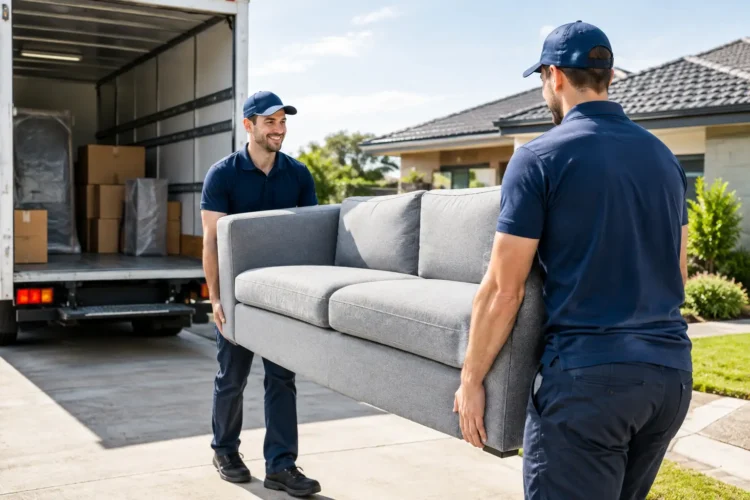




A one-day move is the ideal, but real relocations rarely run to plan. Settlement dates shift, leases overlap, renovations take longer than expected and office fit-outs can miss their handover date. Moving with storage solutions gives you a practical buffer, so your furniture and belongings are protected while the next property is not quite ready.
The key is choosing storage for the right reason and arranging it before moving day. Storage can reduce pressure, but only when the timing, access requirements and costs are clear from the start.
When moving with storage solutions is the right call
Storage is most useful when there is a genuine gap between leaving one property and entering another. This may be a few days between a rental lease ending and settlement, several weeks while a renovation is completed, or a longer period during an interstate relocation. Rather than rushing possessions into a friend’s garage or paying for temporary accommodation simply to avoid moving twice, you can place them into secure storage and move them out when the new address is ready.
For Melbourne households, this is particularly helpful when settlement and key collection happen on different days. It can also make downsizing easier. If you are moving from a family home into a smaller property, storage gives you time to decide what stays, what is sold and what is passed on without filling every room with unopened boxes.
Businesses often need the same flexibility. An office may need to vacate its current space before new workstations, cabling or access approvals are complete. Storing desks, filing cabinets and equipment temporarily can keep the handover moving while avoiding clutter and damage at the new site.
Storage is not always necessary. If your dates are confirmed, access is straightforward and you have enough room at the destination, a direct move is usually simpler and more cost-effective. The right choice depends on the gap between properties and how much uncertainty you need to manage.
Choose the storage arrangement before you pack
The most common mistake is treating storage as an afterthought. By the time a truck is loaded, people are often tired, under time pressure and unsure what needs to remain accessible. Decide early whether you need short-term or longer-term storage, how often you may need access, and whether the storage provider or removalists will handle collection and redelivery.
A self-storage facility can suit people who expect to visit regularly. You may want access to seasonal items, business stock or documents during the storage period. However, this option can mean loading and unloading more than once if you are arranging transport separately.
A removalist-managed storage solution can be more practical where access is not required until final delivery. Your items are collected, transported into storage and delivered to the new address when you are ready. This reduces handling, which matters for heavy furniture, fragile items and tightly scheduled moves.
Ask whether the quoted price includes collection, storage, redelivery and any administration charges. Also confirm the minimum storage term, notice required before redelivery, payment schedule and what happens if your move-in date changes again. Clear answers protect your budget and prevent a stressful surprise later.
Pack for storage, not just transport
A carton that survives a short trip across town may not be suitable for several weeks or months in storage. Pack with the storage period in mind. Use sturdy cartons, avoid overfilling them and seal every box properly. Label each carton on at least two sides with its contents and intended room.
Moisture, dust and compression are the main risks to plan around. Do not store damp textiles, wet outdoor equipment or anything that has recently been cleaned but has not fully dried. Wrap mattresses and upholstered furniture in protective covers, and use blankets, padding or quality wrapping for timber, glass and polished surfaces. Keep heavy cartons low and avoid stacking delicate boxes beneath anything substantial.
Before packing appliances, empty and dry them completely. Fridges, freezers and washing machines need particular care. Water left inside can cause odours, mould or damage over time. Secure loose shelves and cables, and keep important appliance parts together in clearly labelled bags.
It is also sensible to take photographs of valuable furniture and electronics before collection. This gives you a simple record of condition and helps you identify items during unpacking. Insurance arrangements should be confirmed before the move, not assumed after an issue occurs.
Keep an essentials plan outside storage
Storage works best when it holds the items you can live without temporarily. Keep personal documents, medications, valuables, laptops, chargers, keys and a change of clothes with you. If you are moving with children, set aside familiar toys, school items and bedtime essentials. These small decisions make the first few days less chaotic, especially if delivery is delayed.
For longer storage periods, create a basic inventory. It does not need to be complicated. Record the number of cartons, larger furniture pieces and the cartons containing important categories such as kitchenware, business records or baby equipment. Numbered labels are helpful: for example, Kitchen 1 of 8, Kitchen 2 of 8. You will know whether everything has arrived and where to look once it does.
Avoid putting passports, legal papers, irreplaceable jewellery, cash or sentimental items with no practical replacement value into general storage. These are better kept under your direct control.
Plan access and delivery at the new property
Getting items into storage is only half the job. Redelivery needs the same planning as the first move. Confirm your likely move-in date as early as possible and give the required notice to arrange delivery. If settlement is still uncertain, ask what flexibility is available rather than booking a date you cannot keep.
Check access at the new property before delivery day. Apartment buildings may require lift bookings, loading dock access or a certificate of currency. Townhouses and homes can have narrow driveways, stairs, low clearances or limited parking. In Melbourne CBD locations, loading zones and building rules can dictate the entire schedule.
Tell your removalist about difficult items early. Pianos, pool tables, large modular lounges, safes and oversized dining tables may need specialist handling, extra equipment or additional staff. Trying to solve these issues when the truck arrives can cause delays and unnecessary cost.
How to control the cost of storage during a move
Storage adds convenience, but it also adds costs for space, handling and redelivery. The most effective way to control the total is to store less. Sort before packing and separate items you will keep, donate, sell or dispose of responsibly. Paying to move and store things you no longer want is an expense that can usually be avoided.
Use the space efficiently without taking risks. Disassemble suitable furniture, keep screws and fittings in labelled bags, and place lighter cartons on top of heavier ones. Do not force items into a unit or stack cartons so high that retrieving them becomes unsafe.
Be realistic about the storage period. A short gap can become longer if a build, renovation or settlement is delayed. Budget for some flexibility rather than assuming the first estimate will be the final date. This is one area where a transparent quote and clear communication make a real difference.
A storage move needs one clear plan
The best storage moves are not rushed. They have confirmed collection details, protective packing, a clear inventory, realistic dates and a delivery plan for the new address. Whether you are between homes, renovating or relocating an office, the aim is simple: keep your belongings safe while giving yourself room to make the next move properly.
Blaze Removals can help coordinate the moving side of that plan, from careful packing and furniture handling through to transport and final delivery. A clear quote and early discussion about timing will help you choose a storage arrangement that works for your move, not against it.