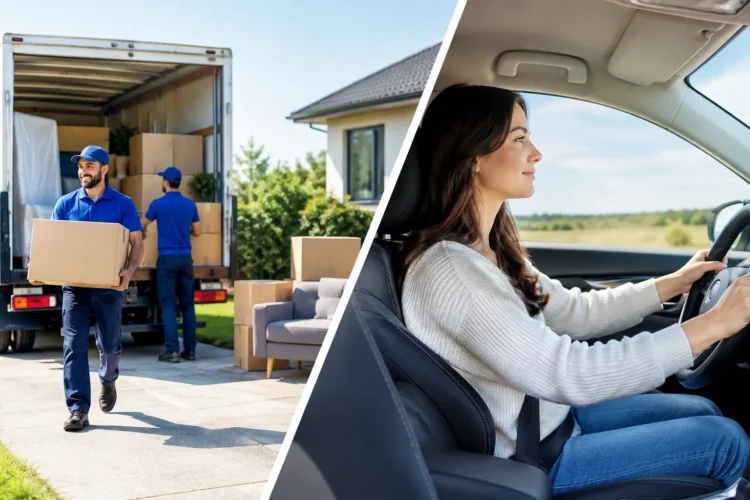



A moving truck, open doors and unfamiliar people in the house can turn even the calmest pet into a nervous wreck. Cats hide, dogs pace, birds react to noise and small pets can be affected by sudden changes in temperature. This moving with pets guide gives you a practical plan to protect your animal, keep moving day under control and help them settle faster at the other end.
The key is simple: treat your pet’s move as a separate job, not an item to organise between packing boxes. Their routine, transport, medication and safe space need planning before removalists arrive.
Start Planning Your Pet’s Move Early
Book a vet check before the move, particularly if you are travelling interstate, moving a long distance or your pet is older, anxious or managing a health condition. Confirm that vaccinations, flea and worm treatments and microchip details are current. Ask for copies of medical records and prescriptions, then keep them in a clearly labelled folder that travels with you rather than in the moving truck.
If you are renting, check the new property is suitable before moving day. Look for gaps under fences, loose gates, exposed wires, toxic garden plants and spaces where a frightened cat could get trapped. For apartments, confirm the building rules around lifts, common areas and pet access. These checks are far easier to manage while the property is empty.
Your pet also needs identification that works if they get separated from you. Update the microchip database with your new address as soon as it is confirmed. Make sure the collar tag has your current mobile number. A temporary tag with your moving-day contact details is worthwhile for dogs that will be in and out of the property.
Build a Pet Essentials Kit
Pack one bag or container that stays with you from the day before the move until your pet is settled. Do not rely on finding supplies quickly after unloading. Boxes get placed in the wrong room, shops may be closed and an anxious pet is not the time to search through packing tape and cartons.
Include enough food for several days, fresh water, bowls, medication, a lead or harness, waste bags, a litter tray and litter for cats, bedding, favourite toys, cleaning supplies and any calming items recommended by your vet. For birds, rabbits, guinea pigs and reptiles, pack the specific food, heating equipment and enclosure supplies they need to remain stable during transport.
Keep feeding routines as normal as possible in the week before the move. A sudden food change, combined with travel stress, can cause stomach upset. For a long drive, ask your vet whether the timing of meals should change to reduce travel sickness.
Moving Day: Create a Safe Zone First
The busiest part of a relocation is not the time for pets to roam. Doors are opening, furniture is being carried through narrow spaces and removalists need clear access to work safely. A frightened animal can bolt through a front door or get underfoot while a heavy item is being moved.
Set up a quiet, secure room away from the action. Put a clear note on the door saying that a pet is inside and the door must remain closed. Give your pet water, bedding and something familiar that smells like home. For a cat, include the litter tray. For dogs, arrange a walk or some exercise before the team arrives, then settle them in the room before loading begins.
If a separate room is not practical, consider a trusted friend, family member, pet sitter or boarding facility for the day. This can be the best option for highly anxious pets, households with multiple animals or moves involving long loading times. It is not a failure to use help. It removes one major risk from a demanding day.
Tell your removalist team before work begins that a pet is on site and where they are located. Professional movers can plan their access around that safe zone, but they need the information upfront. At Blaze Removals, clear communication before loading helps the crew work efficiently while you maintain control of your pet’s space.
Transport Pets With You, Not in the Removal Truck
Pets should travel in your own vehicle wherever possible. Removal trucks are designed for furniture and cartons, not live animals. Temperatures can vary, loading conditions change throughout the day and there is no safe way to monitor your pet while the vehicle is in transit.
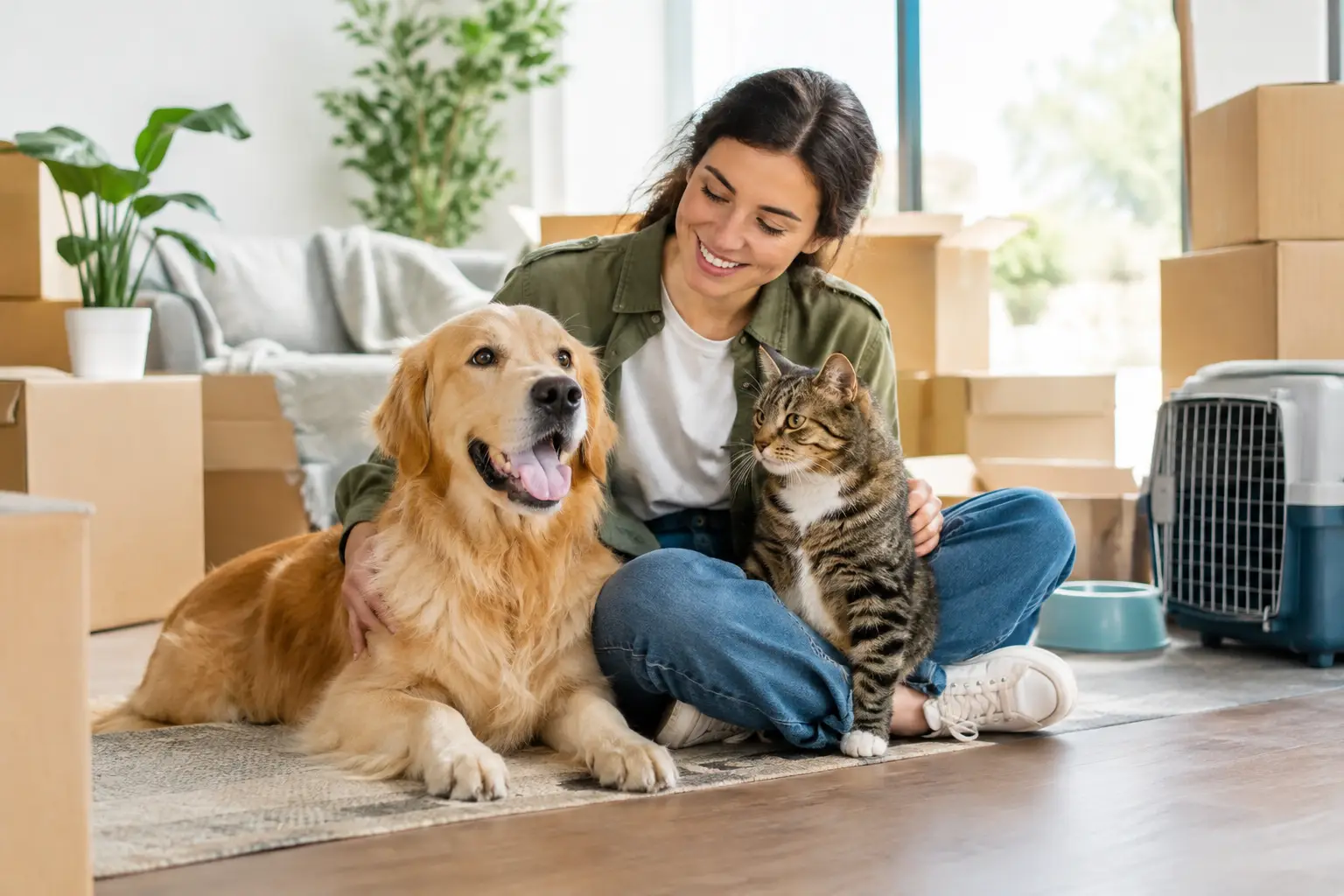
Use a secure, well-ventilated carrier for cats and small animals. It should be large enough for them to stand, turn around and lie down, but not so large that they slide about during braking. Introduce the carrier before moving day by leaving it open at home with bedding and treats inside. For dogs, use a properly fitted harness secured to a seat belt attachment, or a travel crate anchored in the vehicle.
Never leave a pet alone in a parked car, especially in Australian weather. Even a mild day can become dangerously hot inside a vehicle. Plan regular breaks on longer trips, keeping dogs on a lead before any car door is opened. Cats are generally safer remaining inside their carrier until you reach the new home.
For interstate travel, check state and local requirements well ahead of time. Some locations have additional rules for particular animals, and arrangements may be needed for flights, ferries or longer accommodation stops. The right option depends on the animal, distance, weather and how comfortable they are travelling.
How to Settle Pets Into the New Home
When you arrive, do not give your pet the full run of the house immediately. Set up one quiet room first with their bed, food, water and familiar items. Close windows and exterior doors, check screens are secure and let them decompress while furniture is brought inside.
Cats often benefit from a gradual introduction. Keep them in their safe room for the first day or longer if they remain unsettled, then let them explore one area at a time. Keep cats indoors for several weeks after a move, even if they previously went outside. They need time to recognise the new house as home and establish the new area safely.
Dogs may settle more quickly with routine. Feed them at usual times, take them for familiar-style walks and avoid overloading the first few days with visitors, dog parks or long outings. Walk the boundary of the yard on lead before allowing off-lead time, and supervise them until you are confident fencing is secure.
Small animals need a stable environment too. Position cages and enclosures away from direct sun, draughts, loud appliances and busy doorways. Recreate their usual setup where possible. Reptiles and fish require particular care because temperature and water conditions can change quickly during a move. If you have a large aquarium or specialist enclosure, discuss the handling plan before moving day rather than trying to solve it while the truck is waiting.
Watch for Signs of Stress After Moving
Some adjustment is normal. Your pet may eat less, sleep more, vocalise, hide or cling to you during the first few days. Keep life quiet, maintain predictable routines and provide reassurance without forcing interaction.
Contact your vet if symptoms are severe, persist longer than expected or include repeated vomiting, diarrhoea, breathing changes, refusal to drink, aggression or signs of injury. Older pets and animals with medical conditions can need more support during a relocation.
Avoid changing everything at once. New food, new bedding, unfamiliar visitors and a new walking route can be introduced gradually. Familiar smells matter, so wash bedding only when needed and place a used blanket or favourite toy in their safe area.
A Better Move Starts With a Calm Pet Plan
Moving with pets is not just about getting them from one address to another. It is about preventing escapes, protecting their health and giving them enough familiarity to feel safe while everything around them changes. Pack their essentials early, keep them away from loading activity, transport them securely with you and give them a quiet start at the new property. A little preparation gives your pet the best chance to settle while you get on with making the new place feel like home.