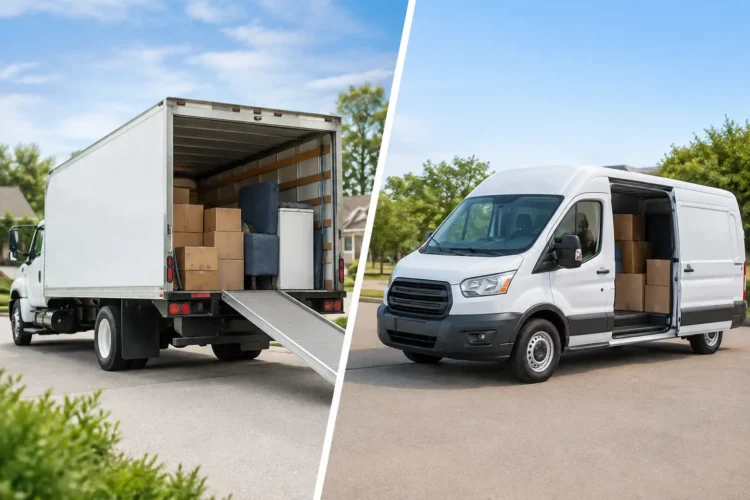




A cheap quote can look good until a scratched floor, damaged sofa or injured mover turns moving day into an expensive problem. A proper removalist safety review helps you look beyond the truck and hourly rate to assess how a moving company will protect your belongings, property and everyone involved.
For Melbourne households and businesses, safety is not an optional extra. It affects how efficiently the move runs, whether fragile items arrive intact and how quickly problems are handled if conditions change on the day.
What a removalist safety review should cover
A reliable removalist should be able to explain how it manages risk without vague promises. You are looking for clear answers about insurance, trained crews, suitable equipment, safe loading practices and the plan for your specific property.
The review does not need to be complicated. Start with the type of move you are planning. A one-bedroom apartment move has different risks from a family home, an office relocation or a piano removal. Stairs, narrow hallways, apartment lifts, long carries and limited parking can all change the crew size, equipment and time required.
A removalist that asks practical questions before quoting is usually taking the job seriously. If they do not ask about access, large items or fragile belongings, the quote may not reflect the real work involved.
Check who is responsible for the work
Ask whether the people arriving on moving day are trained removalists and whether the company manages the job directly. A professional crew should know how to lift as a team, secure furniture in the truck, protect doorways and handle awkward items without rushing.
This matters because furniture removal is physical work with real risks. A washing machine, large timber buffet or heavy office cabinet can injure someone or damage a wall if it is handled by an inexperienced crew. Good removalists assess the weight, shape and path before they lift. Where an item cannot be moved safely by hand, they should use the right equipment or discuss an alternative plan.
You should also confirm who your point of contact is if timings, access or item lists change. Clear accountability makes it easier to resolve issues before they become delays.
Ask about insurance in plain language
Insurance wording can be confusing, so ask direct questions. Does the business hold appropriate cover for its operations? What protection applies to your belongings in transit? Are there exclusions for packed-by-owner cartons, antiques, electronics, jewellery or high-value items?
Do not assume every item is automatically covered for its full replacement value. The level of protection can depend on the service booked, the item itself and how it was packed. If you have valuable artwork, a large television, a piano or business equipment, tell the removalist before accepting the quote. That gives both sides time to confirm the right handling and cover.
A trustworthy provider will explain the process for reporting damage or making a claim. It is not a pleasant topic, but a clear process is far better than finding out after the truck has left.
Look for the equipment behind the promise
The right gear prevents damage and reduces manual handling risk. For a standard home move, that usually means clean removal blankets, trolleys, straps, mattress protectors and a truck with secure tie-down points. For larger or specialist jobs, it may also involve piano skates, lifting straps, protective wrapping and extra crew members.
Equipment alone is not enough. It has to be used properly. Furniture should be wrapped or protected before loading, then secured so it cannot shift during braking or cornering. Cartons need to be stacked carefully, with heavy boxes low and fragile boxes protected from pressure.
Be wary of a removalist that treats every item the same. Flat-pack furniture, glass tabletops, mirrors and delicate appliances need different handling from sturdy cartons or outdoor furniture. The safest approach is practical, not flashy.
Review access at both addresses
Access is one of the biggest reasons a move becomes difficult. Before booking, check where the truck can park and how far the crew will need to carry items. In Melbourne, tight streets, clearways, apartment loading zones and busy CBD buildings can all require planning well before moving day.
Measure difficult spaces where possible. Pay attention to stairwells, tight turns, low ceilings, lift dimensions and door widths. If a large fridge or sofa barely fits through an entry, advise the removalist early. They may need to remove doors, use additional protection or allocate more time.
For apartment and office moves, ask building management about lift bookings, loading dock rules, parking permits and permitted moving hours. A good plan avoids holding up other residents or tenants and keeps the crew from carrying heavy items further than necessary.
Match the service to the items being moved
The lowest-cost option is not always the safest option. If you pack your own boxes, you keep more control over the process and may save money. However, poorly packed cartons can collapse, split or leave fragile belongings unprotected.
Professional packing is worth considering when time is short, when you have a large volume of breakables or when the move includes items that are difficult to prepare safely. Proper cartons, wrapping and labelling help the crew load the truck correctly and make unpacking more manageable.
Specialty items deserve their own discussion. Pianos, pool tables, large mirrors, stone furniture and commercial equipment should never be treated as standard furniture removals. They may need special tools, extra protection, disassembly or a dedicated crew. Provide photographs and dimensions if requested. It is the quickest way to get an accurate plan instead of a surprise on moving day.
Treat pricing clarity as a safety check
Transparent pricing supports safer work. When a quote clearly states the crew size, truck size, hourly rate or fixed interstate price, inclusions and likely additional charges, you can choose a service that suits the job.
An unrealistically low quote can lead to pressure on the day. Perhaps the truck is too small, the crew is undersized or there is not enough time allocated for packing and access challenges. That does not automatically mean a lower quote is unsafe, but it is worth asking how the provider reached the figure.
Request confirmation of what is included: travel time, fuel, protective materials, stairs, dismantling and reassembly, and any minimum booking period. Knowing these details helps you avoid rushed decisions while the crew is already at your door.
Four warning signs before you book
A removalist should make you feel informed, not pressured. Pause before booking if you notice any of these warning signs:
- The company cannot explain its insurance or damage-reporting process.
- The quote is vague about crew numbers, truck size or extra charges.
- No one asks about stairs, parking, heavy items or building access.
- The provider dismisses concerns about pianos, pool tables, fragile items or difficult entry points.
One issue may be a simple communication gap. Several together suggest the move has not been properly planned.
Prepare your home for a safer moving day
Even the best crew needs a clear path. Pack loose items, remove trip hazards, keep children and pets away from loading areas, and make sure walkways are clear. If rain is forecast, protect vulnerable flooring and let the crew know about slippery paths or uneven steps.
Keep essential documents, medications, keys, chargers and valuables with you rather than in the moving truck. Take photos of high-value items before the move, particularly if they have existing marks. This is sensible record-keeping, not distrust.
When the crew arrives, walk them through the property and point out anything requiring special care. Confirm which items are not being moved, identify fragile cartons and mention access restrictions at the destination. Five minutes of clear communication can prevent hours of avoidable disruption.
At Blaze Removals, we believe safety comes from preparation, trained handling and clear communication – not from making promises that cannot be backed up on moving day. Choose a removalist that answers practical questions early, gives you a clear plan and has the equipment to carry it through. That is how you give your move the best chance of finishing exactly where it should: safely at your new address.