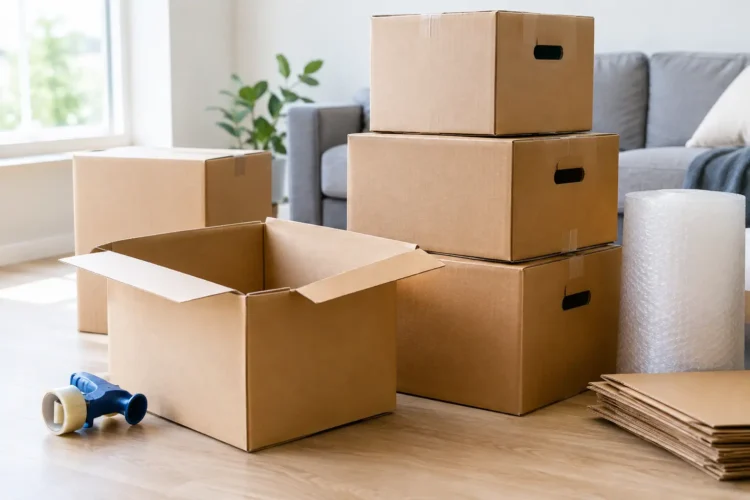



A sofa that will not clear the hallway, a fridge that needs careful handling and a settlement time that cannot move – these are the details that turn relocation day into a pressure test. The right Point Cook furniture moving help is not simply a truck and a few strong hands. It is a clear plan for getting every item out, transported safely and placed where it belongs without unnecessary delays or damage.
For renters, homeowners and businesses, the goal is straightforward: protect your furniture, keep the day on track and know what service you are paying for before the crew arrives. A professional removalist helps manage the physical work, but the best results come from preparing the move around your property, your access and the items that need extra care.
Start With the Access, Not the Furniture
Before deciding how many movers or what size truck you need, look at the path each large item must travel. In Point Cook, newer homes can have narrow side access, internal stairs, tight turns and street parking restrictions. Apartment moves may also require lift bookings, loading bay approval or building management notice.
Measure bulky pieces such as modular lounges, dining tables, wardrobes and refrigerators. Then measure doorways, stairwells, lifts and gates. This takes little time and can prevent an awkward surprise on moving day. If an item will not fit through as assembled, arrange for dismantling before it reaches the front door.
Parking matters too. A truck parked close to the property reduces carrying distance and helps the crew work efficiently. Reserve a suitable spot where possible, tell the removalist about steep driveways or limited access, and make sure paths are clear of pot plants, toys, bins and loose items. It is a simple job that makes the move safer for everyone.
What Point Cook Furniture Moving Help Should Include
Furniture removal is not one-size-fits-all. A small unit move may only need a compact truck and two movers, while a family home with heavy timber furniture, garage items and several bedrooms needs a larger crew and more loading capacity. The right service should match the scale of your move rather than force you into a package that is too small or unnecessarily expensive.
At a minimum, professional help should cover careful loading, secure transport and unloading into the correct rooms. Ask how furniture is protected in transit. Removal blankets, trolleys, straps and secure truck loading are not extras when you are moving valuable belongings – they are standard safeguards.
It also helps to confirm what happens at each end of the move. Will the crew place boxes and furniture into nominated rooms? Can they dismantle and reassemble beds, tables or modular furniture? Is packing support available if you are short on time? Clear answers make it easier to compare quotes fairly.
Blaze Removals can support local furniture moves with trained crews, practical packing options and services for homes, offices and specialised items. The value is in choosing only the assistance you need while keeping the move properly organised.
Packing Furniture Properly Before the Truck Arrives
Good packing is about reducing movement, impact and exposed edges. Empty drawers where practical, particularly on heavy cabinets and tallboys. Loose contents add weight and can shift during carrying. Wrap glass shelves, mirrors and artwork separately, and label fragile items clearly.
For furniture that comes apart, keep screws, bolts and brackets in labelled bags and tape them securely to the relevant item where appropriate. Take a quick photo before dismantling anything complicated. It can save time when reassembling beds, desks and entertainment units at the new address.
Avoid using plastic wrap as the only protection for timber, leather or upholstered pieces. It can hold moisture against some surfaces and does not replace padded moving blankets. Protection should suit the item. A sturdy dining table needs its corners guarded; a fabric lounge needs clean coverings and careful loading; a glass tabletop needs separate wrapping and a stable position in the truck.
Heavy and Specialty Items Need a Different Plan
Most household furniture can be moved with the right equipment and technique. Some items need a separate assessment because their weight, shape or value changes the risk. Pianos, pool tables, large safes, stone tops, oversized appliances and commercial equipment should never be treated as ordinary furniture.
A piano can be damaged internally by poor handling even if the outside appears fine. Pool tables often need controlled dismantling and reassembly to protect the slate and maintain a level playing surface. Large fridges must be kept upright where possible and handled carefully to protect doors, compressors and flooring.
Tell your removalist about these items when requesting a quote. Photos, dimensions, approximate weight and access details help the crew arrive with suitable equipment and enough people. Leaving it until moving day may mean the item cannot be moved safely, or may add delays and costs that could have been avoided.
How to Keep Your Moving Cost Under Control
Affordable moving does not mean choosing the lowest figure without checking what it covers. A vague quote can become costly if it excludes travel time, stairs, heavy-item handling, packing materials or assembly work. Transparent pricing gives you a realistic picture of the job before you commit.
For local moves, hourly pricing can work well when the home is prepared and access is easy. It gives flexibility if your load is modest or you are handling most packing yourself. But it depends on how much is ready when the crew arrives. Every box still being taped up, every driveway blocked by cars and every unplanned dismantling job adds time.
A fixed quote can provide more certainty for a larger, clearly defined move or an interstate relocation. The trade-off is that the inventory and access information must be accurate. If you add a shed full of furniture after receiving the quote, the scope has changed.
To help avoid delays, have these four details ready when booking:
- Your current and new address, including stairs, lifts, parking and difficult access.
- A practical inventory of large furniture, whitegoods and any specialty items.
- The services you need, such as packing, unpacking, dismantling or storage support.
- Your preferred move date, settlement time and any building booking requirements.
This information lets a removalist allocate the right truck, crew and equipment from the start. It also makes a quote more useful because it reflects the actual work involved.
Make Moving Day Easier on the Crew and Yourself
Set aside a small essentials bag with keys, wallets, medications, chargers, important documents, water and snacks. Keep it with you rather than loading it into the truck. If you have children or pets, organise care for them during the busiest part of loading and unloading. Open doors, clear walkways and point out anything fragile or not being moved.
At the new property, use simple room labels. A label on each bedroom door and clear box markings save repeated questions and reduce the chance of heavy furniture being placed in the wrong room. Decide where major pieces will go before the truck arrives, especially beds, lounges and large appliances.
You do not need to supervise every lift, but being available for decisions keeps the day moving. Confirm the final walkthrough before the crew leaves your old address, then check the truck has been unloaded before signing off at the new one.
Choose Help That Fits the Job
Furniture moving is easier when the service matches the real conditions of the move. A few items going across Point Cook may need straightforward transport and careful loading. A full house, office relocation or specialty item requires more planning, more protection and a crew that knows how to manage the risk.
Give your movers accurate information, prepare access early and do not leave heavy or fragile items to chance. With the right plan in place, moving day can be a controlled handover to your next home or workspace rather than a long list of last-minute problems.