


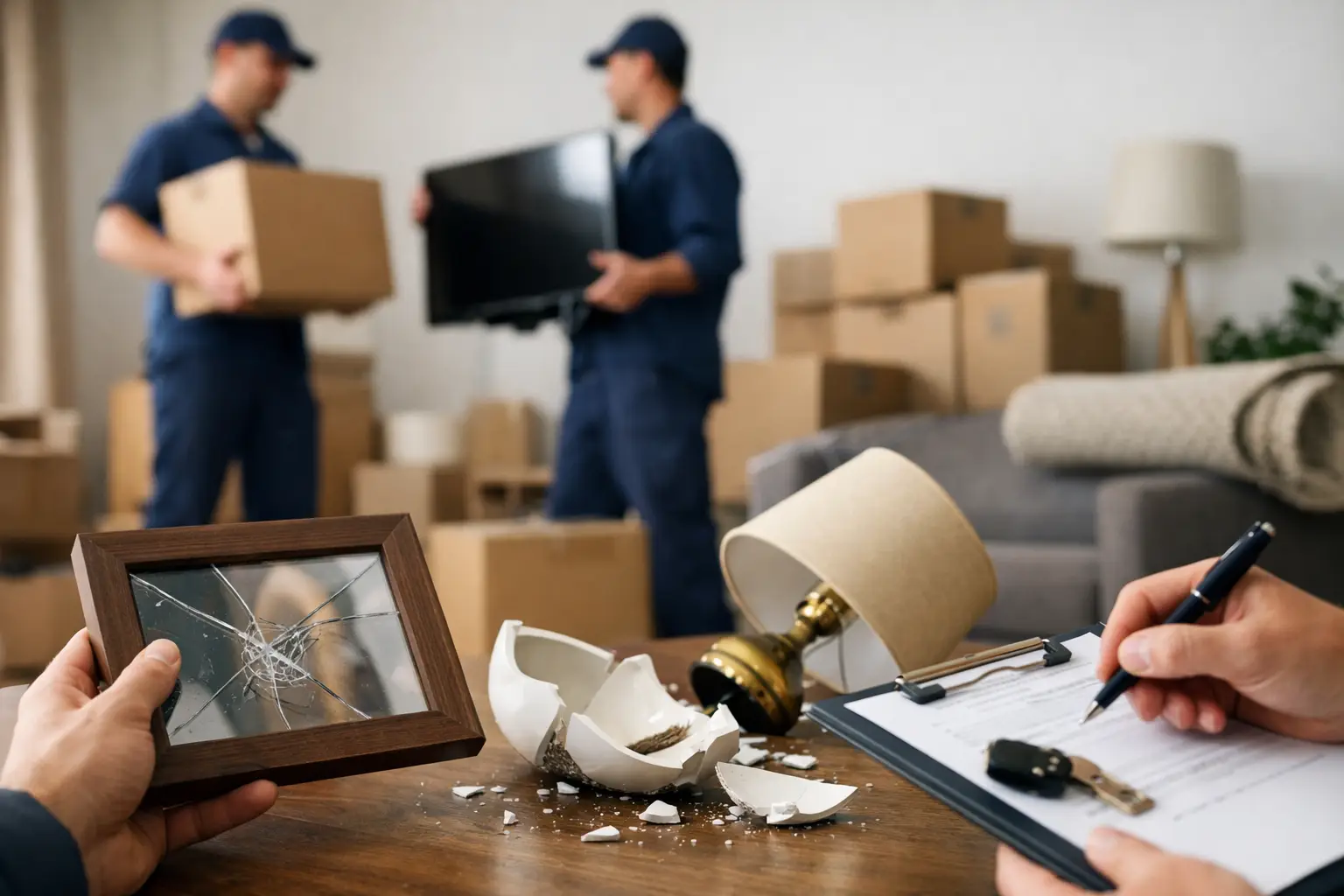
A scratched dining table, a cracked TV screen, a box that never shows up – this is the part of moving that keeps people up at night. So, are removalists insured for damage? Sometimes yes, sometimes only partly, and sometimes not in the way customers assume.
That is the key issue. Many people book a move thinking every item is automatically covered from front door to front door. In practice, insurance and liability in the removals industry can vary a lot depending on the company, the service included, the cause of damage, and whether you packed the goods yourself or paid for a professional packing service.
Are removalists insured for damage, or just liable in some cases?
This is where the confusion starts. Insurance and liability are not the same thing.
A removalist may carry business insurance, transit insurance, vehicle insurance, public liability insurance, and workers compensation. That does not automatically mean every customer item is fully insured against every kind of damage. Some policies protect the company and its operations rather than your belongings as individual items.
On the customer side, cover often depends on whether the removalist offers transit cover, whether you purchase additional protection, and what their terms say about fragile goods, owner-packed boxes, antiques, electronics, and pre-existing damage. If a company is careful with language, that is usually a good sign. If they simply say “fully insured” without explaining what that means, ask more questions.
What insurance usually covers during a move
In a professional move, cover usually falls into a few practical categories.
Public liability insurance generally covers damage or injury caused to third parties during the move. For example, if moving equipment damages a building common area or someone is injured because of the removalist’s operations, this is the type of policy that may respond.
Transit cover is the one most customers actually care about. This can apply to loss or damage to goods while they are being transported, loaded, or unloaded. But the level of cover matters. Some policies cover specified risks only, while others have tighter conditions and excess amounts.
For office moves or higher-value household moves, there may also be declared-value or item-specific cover available. That is particularly relevant for pianos, artwork, pool tables, antiques, designer furniture, and expensive electronics.
The short version is simple: a removalist can be insured as a business without your goods being comprehensively insured in the way you expect.
What is often not covered
This is the part customers need to read properly.
Owner-packed boxes are a common grey area. If you pack a carton yourself and an item inside breaks, the removalist may not accept responsibility unless there is clear external damage showing mishandling. They cannot verify how well it was wrapped, whether the box was overloaded, or whether the item was already chipped.
Fragile goods can also be excluded or limited unless packed by the removalist. Glassware, mirrors, marble tops, lamps, artwork and TVs often need special packing methods. If they are moved without the right protection, cover can be reduced or denied.
Some policies exclude damage caused by poor access, weather, mechanical failure outside the mover’s control, or goods that were not suitable for transport in the first place. Flat-pack furniture, for example, can already be loose or weakened before a move. Cheap chipboard furniture is especially vulnerable when dismantled and reassembled.
There is also the issue of pre-existing damage. If a lounge already has a torn seam or a table already has water marks and chips, that needs to be noted before the move starts. Otherwise, disputes become hard to sort out.
Why professional packing can affect your cover
If you want the strongest protection possible, professional packing is worth considering.
When trained movers pack the items themselves, there is less guesswork. They know what materials to use, how to wrap fragile pieces, how to stack cartons, and how to label boxes for handling. Just as importantly, there is a clearer chain of responsibility if something goes wrong.
That does not mean self-packing is always a bad idea. It can save money and work well for clothes, books and everyday household items. But if you are moving breakables, artwork, technology, or sentimental items, professional packing usually gives you a better position if you ever need to make a claim.
For many Melbourne households, the best middle ground is simple: pack low-risk items yourself and leave fragile or high-value items to professionals.
Questions to ask before you book
If you want a straight answer about whether removalists are insured for damage, ask straight questions.
Ask what cover applies to customer goods in transit. Ask whether that cover is included in the quoted price or offered as an extra. Ask whether owner-packed boxes are covered. Ask what happens with fragile items, electronics, and furniture that needs dismantling. Ask whether there is an excess, a maximum claim amount, or a list of excluded goods.
Also ask how claims are handled. A reputable removalist should be able to explain the process clearly, including timeframes, evidence required, and who to contact if there is a problem.
If the answers are vague, rushed or inconsistent, take that seriously. Moving is already stressful enough without finding out after the fact that your assumptions were wrong.
Signs you are dealing with a professional operator
Insurance matters, but it is not the only thing that protects your move. Good operators reduce the chance of damage in the first place.
Look for trained staff, proper moving equipment, clear booking terms, item protection methods, and realistic quoting. A company that handles furniture removals, office relocations, packing services and specialty items regularly is usually better set up than a basic transport operator doing ad hoc jobs.
It also helps when pricing is transparent. If a mover is cutting corners to offer a rock-bottom rate, that can show up later in rushed handling, poor communication, or inadequate protection. Cheap quotes can become expensive when something is damaged and the cover is limited.
That is why many customers prefer a company that is upfront about what is included, what is optional, and how care is taken on the day.
Damage claims: what you should do on moving day
If something is damaged, act quickly and keep it practical.
Take photos as soon as you notice the issue. Keep the packaging if relevant. Note the item on any delivery paperwork before the team leaves, if possible. Report the issue to the removalist promptly and in writing. Delaying the report can make the claim harder, especially if there is a question about when or how the damage happened.
It also helps to prepare before the move. Take quick photos of valuable items beforehand, especially anything with existing wear. That protects both sides. It gives you a clearer record, and it makes genuine claims easier to assess.
The real answer for Australian movers
So, are removalists insured for damage? Often yes, but not automatically in the broad, blanket way many people expect.
A professional removalist should have appropriate business cover and should be able to explain what protection applies to your goods. But customer belongings may be covered only under certain conditions, with limits, exclusions, and different treatment for owner-packed or fragile items.
That is not a reason to avoid hiring movers. It is a reason to choose carefully. The right company will be direct about insurance, realistic about risk, and serious about handling your belongings properly from the start. That is far better than a vague promise that sounds good until you need to rely on it.
If you are comparing quotes for a house move, office relocation or specialty item transport, ask the insurance question early. Clear answers now can save a lot of stress later, and they usually tell you a lot about the kind of operator you are trusting with your move.
A good move is not just about getting boxes from A to B. It is about knowing exactly where responsibility sits, what protection you have, and whether the team turning up at your door is ready to do the job properly.