


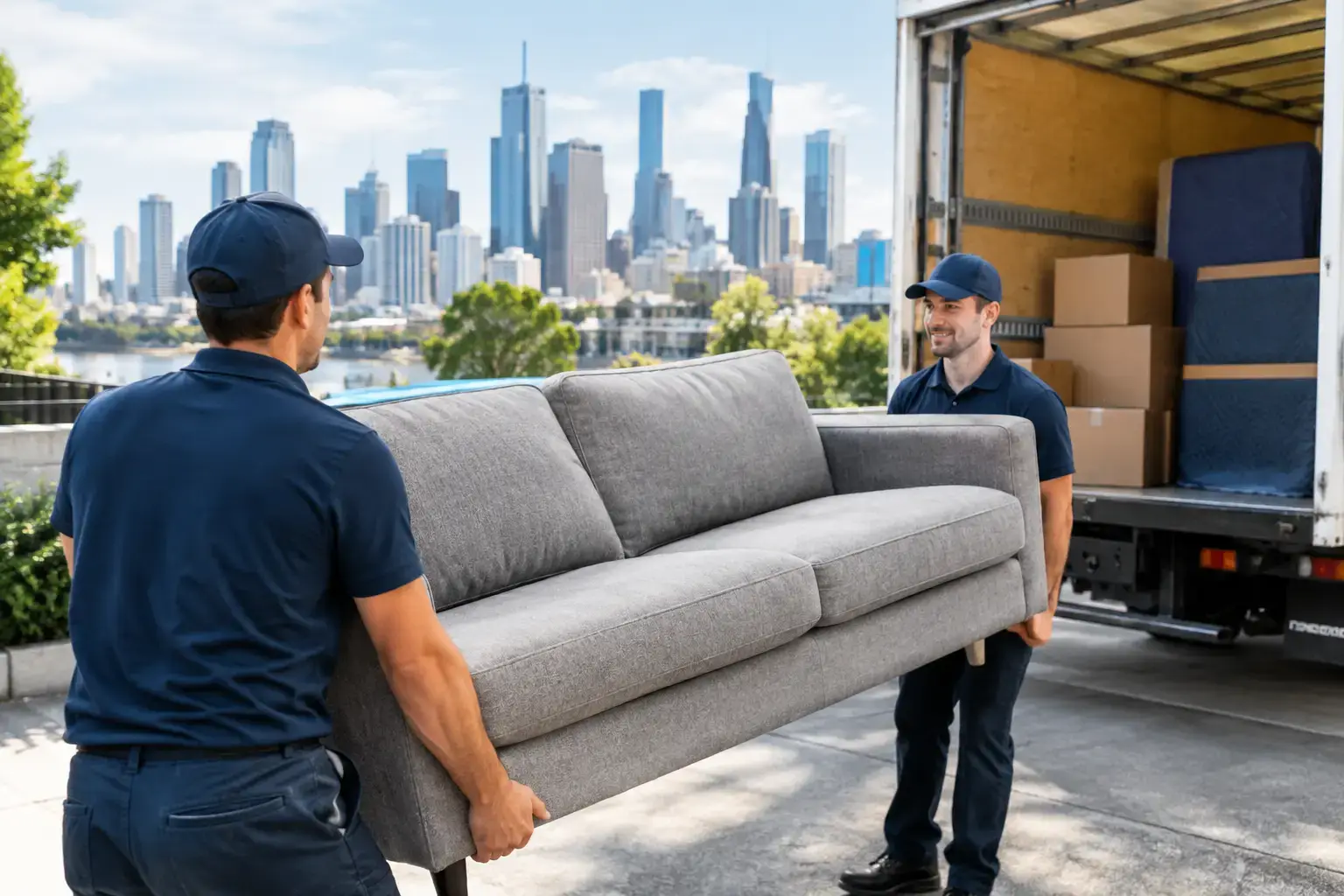
Moving a sofa down a narrow stairwell, getting a fridge safely out of an apartment building, or relocating an entire office is not a job for a borrowed ute and a few hopeful mates. A professional Melbourne furniture removalist gives you the crew, equipment and planning needed to get the job done without turning move day into a costly mess.
The right removalist does more than load boxes. They protect furniture, work to a clear schedule, communicate when access is tricky and provide pricing you can understand before the truck arrives. Whether you are moving a one-bedroom unit in Melbourne CBD or a family home across the suburbs, the details matter.
Start with the move you actually need
Not every move requires the same truck, number of movers or level of support. Booking a service that is too small can mean extra trips and wasted time. Booking far more capacity than you need can increase the cost without adding real value.
Start by looking at the volume and weight of your furniture. A small unit may need a compact truck and two movers, while a three or four-bedroom home commonly requires a larger vehicle, more hands and a longer booking window. Large wardrobes, modular lounges, solid timber tables and oversized fridges take more room than people expect.
Access is the next issue. Tell your removalist about stairs, lifts, tight hallways, steep driveways, loading docks, time restrictions and difficult parking. Apartment buildings in the CBD often require lift bookings and loading-bay access. Some outer-suburban homes have long driveways or uneven paths that affect how quickly the crew can work.
A good removalist will ask these questions before quoting. If nobody asks about access, furniture volume or special items, the estimate may not reflect the real job.
What a Melbourne furniture removalist should provide
Furniture removal is about controlled handling, not simply strength. Experienced movers know how to carry awkward pieces safely, protect corners and surfaces, secure loads in the truck, and avoid damage while moving through doorways and shared spaces.
At a minimum, expect a clean, suitable truck, trained removalists, moving blankets or furniture pads, trolleys, straps and proper load restraint. These basics protect your belongings in transit and help the crew work efficiently. Professional handling also reduces the risk of scuffed walls, scratched floorboards and damaged common areas.
Ask whether furniture dismantling and reassembly are included or available as an add-on. Bed frames, dining tables, desks and some shelving units are safer and easier to move when taken apart correctly. Keep screws, brackets and small fittings in labelled bags, then take them with you or make sure they are clearly identified for the crew.
Packing support is worth considering if time is short or you have fragile items. Plates, glassware, artwork, mirrors and electronics need the right materials and packing method. It costs more than doing it yourself, but it can save days of preparation and lower the chance of breakage.
Special items need a clear plan
Pianos, pool tables, large safes, antiques and commercial equipment are not standard furniture items. They may need extra movers, specialised tools, protective wrapping and a tailored loading plan. Never assume a standard quote covers them.
Provide photographs and accurate dimensions when requesting a quote. This allows the removalist to assess access, weight and handling requirements before move day. It also prevents last-minute surprises when an item will not fit through a doorway, lift or stairwell.
Compare quotes properly, not just the headline price
A cheap hourly rate can look attractive until travel time, fuel charges, minimum booking periods, stair fees or extra labour are added. On the other hand, the lowest quote is not automatically poor value. The key is knowing exactly what is included and what could change the final cost.
For local moves, hourly pricing can work well when the furniture volume and access are straightforward. You pay for the truck and crew for the time required, so good preparation makes a real difference. Fixed pricing can provide more certainty for interstate moves or complex jobs where the scope is clearly defined.
Before booking, confirm the crew size, truck size, minimum hours, call-out conditions, estimated duration and any additional charges. Ask how travel time is calculated and whether wrapping, dismantling, packing materials or storage are included. A written quote should be clear enough that you can compare services fairly.
Do not choose based only on a number in an email. A removalist that arrives with an undersized truck or too few movers can turn an affordable quote into a long, frustrating day. Value comes from the right resources, reliable handling and a realistic time estimate.
Check insurance, safety and accountability
Furniture can be expensive, sentimental or impossible to replace. Insurance matters, but so does understanding what cover applies. Ask the removalist about their insurance arrangements and whether you need separate transit insurance for particular items. Read the terms carefully, especially for fragile goods you packed yourself, high-value pieces and pre-existing damage.
Safety standards protect your belongings and the people handling them. A professional crew should use safe lifting practices, secure items inside the truck and assess hazards before carrying heavy furniture. This is particularly important in wet weather, on staircases and in buildings with limited access.
It is also reasonable to ask how the company handles issues if something goes wrong. A dependable operator does not avoid the question. They explain the process, document concerns and respond promptly. Accountability is one of the clearest signs that you are dealing with a professional service rather than a casual transport arrangement.
Prepare your furniture before move day
Removalists can work faster when the home or office is ready. You do not need to do their job for them, but a little preparation avoids delays and keeps your belongings organised.
Empty drawers unless the item is light and the removalist has advised otherwise. Remove loose shelves, glass panels and detachable legs where practical. Take photos of electronics before disconnecting cables, and label cords so setting up at the new place is easier. Defrost and dry fridges and freezers at least a day before the move, then keep their doors secured.
Clear pathways from rooms to the front door, garage or loading area. Keep children and pets away from active moving zones, and reserve a parking spot where possible. If you are in an apartment, confirm lift times and let building management know about the booking requirements.
Pack an essentials bag separately with medications, chargers, keys, important documents, basic toiletries and anything you will need on the first night. That bag should travel with you, not in the removal truck.
Plan the order of loading and unloading
The best moves are organised before the first item is lifted. Tell the crew which items need extra care, what is going to storage, and what should be loaded last for immediate access at the new property. Clearly mark furniture or boxes that belong in specific rooms.
At the destination, do a quick walk-through with the team before unloading begins. Show them the rooms, point out tight corners and explain where large items should go. Moving a heavy buffet or wardrobe twice wastes time and increases the risk of damage.
For office removals, create a simple floor plan and label desks, chairs, cabinets and equipment by department or workstation. Schedule the move outside peak trading hours where possible, and ensure someone authorised is available at both sites to answer questions. Commercial moves need practical coordination, not guesswork.
When full-service moving is worth it
There is a trade-off between saving money and saving time. If you have a small, simple move and can pack efficiently, a basic furniture removal service may be all you need. If you are managing work, children, settlement dates or a complex property handover, packing, unpacking and assembly support can remove a major burden.
Full-service support is also useful for interstate relocations, older furniture that needs careful protection, and moves involving specialty items. Blaze Removals can tailor the crew, vehicle and service level around the size and complexity of your move, rather than treating every booking as the same job.
A reliable move starts with an honest conversation about what you own, where it needs to go and what could slow the job down. Give your removalist the full picture, ask direct questions and book the level of support that lets you walk into your new space ready to get on with life.