


A move brings strangers, boxes, vehicles and plenty of close contact into one already busy day. Choosing COVID-safe movers is not about making a move complicated. It is about using a removalist with clear hygiene practices, sensible communication and a crew that knows when to stop, reschedule or change the plan.
For households, renters and businesses, the goal is simple: get your belongings from A to B safely while reducing avoidable health risks. That takes more than a bottle of sanitiser in the truck. It requires preparation before moving day, professional conduct during the job and a plan that suits the people and property involved.
What COVID-safe movers should do differently
A professional removal crew works across many homes, offices and buildings each week. That makes consistent processes more useful than vague promises. You should expect staff to arrive well presented, assess the site, handle your possessions carefully and follow the precautions agreed before the booking.
A COVID-safe approach starts with honest health screening. If a mover is unwell or has been advised to stay home, they should not be sent into a customer’s property. The same applies to customers. Let the removalist know early if anyone at either address is sick, isolating or particularly vulnerable, so the job can be assessed properly. Depending on the circumstances, the safest option may be rescheduling. In other cases, extra distance, ventilation and contact-free arrangements may be enough.
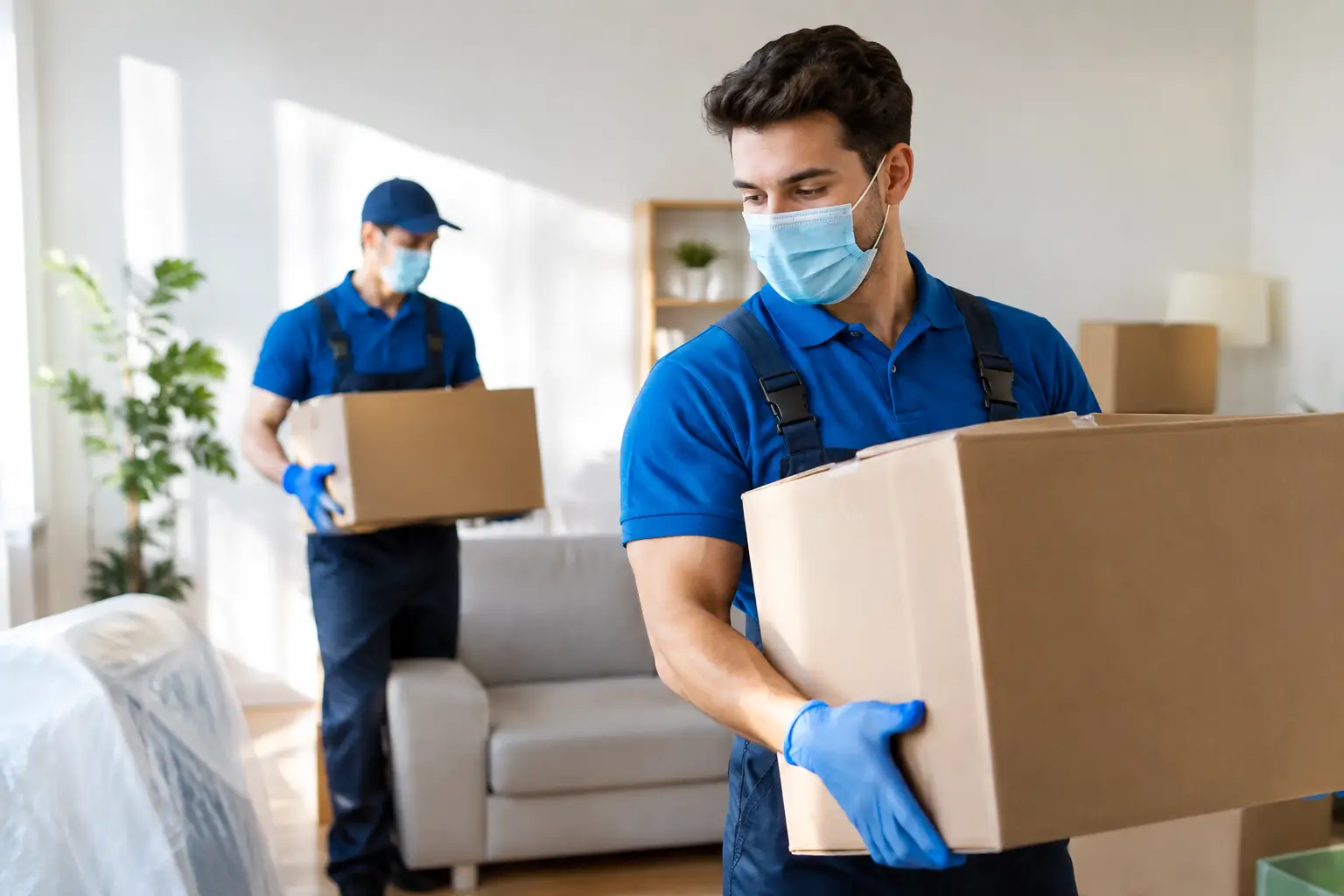
Clean equipment also matters. Trolleys, straps, blankets, hand tools, vehicle touchpoints and shared equipment should be maintained and cleaned as part of normal operations. Cartons and furniture do not need to be treated as hazardous by default, but high-touch surfaces and shared work areas deserve attention.
Good movers will also respect the rules of the building. Apartment complexes, retirement communities, offices and managed sites may have their own entry requirements, lift booking systems or visitor procedures. A crew that ignores these details can delay the move and create unnecessary stress.
Plan a safer move before the truck arrives
Most moving-day problems are caused by poor planning, not the move itself. Once you have chosen your removalist, confirm the basic information in writing: collection and delivery addresses, access conditions, parking, large or fragile items, estimated volume and the contact person for the day.
Then talk through any health concerns without overexplaining. Tell the booking team if someone in the home is unwell, if a resident has a reduced immune system, or if you need limited contact. This gives the removalist time to allocate the right crew, adjust timing or explain whether a different arrangement is needed.
Packing early makes a real difference. The less last-minute sorting required, the fewer people need to move through the home and the faster the crew can work. Seal boxes, label each room clearly and mark cartons containing fragile items. If you are using a packing service, clear benches and work areas first so packers have room to operate efficiently.
Keep essentials separate from the main load. Medicines, chargers, keys, important documents, basic cleaning supplies and a change of clothes should travel with you. This reduces the need to search through boxes while movers are unloading.
For a household move, it is usually best if one adult is the main contact with the crew. They can answer questions, confirm what is staying or going, and check the final rooms. Other family members can remain in a separate area, visit a nearby park or arrive at the new home later where practical. It is not about keeping people out of their own house. It is about avoiding a crowded hallway while furniture and boxes are being carried through it.
On moving day, give the crew room to work
Removalists need clear paths. Before the team arrives, move loose items away from hallways, stairs and doorways. Secure pets in a quiet room or arrange for them to stay elsewhere. Keep children away from loading zones, ramps and parked trucks. These are essential safety steps in any move, and they also reduce unnecessary close contact.
Fresh air is a practical extra measure when weather and security allow. Open windows and doors in rooms where the team is working, particularly in smaller homes, lifts or offices with limited ventilation. Do not leave the property unsecured, but avoid shutting the crew into cramped spaces where there is another option.
Communication should be direct. Point out the items that need special handling, identify anything that is not going, and advise the crew about access issues such as low clearance, narrow stairs or restricted loading bays. Once the plan is clear, let the movers do their job. Constantly following the team from room to room slows the work and creates congestion.
Contact-free payment and digital paperwork can also keep the day moving. Confirm the payment method before the job starts, and make sure your mobile is charged. If you need to sign documents or approve additional work, ask the removalist what process they use so there are no surprises at the end of the day.
When rescheduling is the responsible choice
There are times when pushing ahead with a move is not sensible. If someone in the household has a contagious illness, has tested positive for COVID-19, or has symptoms that could put the crew at risk, contact the removalist as soon as possible. Do not wait until the truck is outside.
Rescheduling can be frustrating, especially when leases, settlements or keys are involved. But early notice gives everyone more options. A removalist may be able to move non-contact items from storage, adjust the crew schedule, or help find the closest available alternative date. The answer depends on the nature of the illness, the urgency of the move and the requirements at both properties.
The same standard should apply to the moving crew. A reliable company does not pressure sick staff to work. That may create a short-term scheduling challenge, but it protects customers, colleagues and the service quality you are paying for.
Extra care for vulnerable households and workplaces
If you are moving an older relative, someone recovering from illness, or a person with a weakened immune system, build more space into the plan. Arrange packing on a separate day where possible, use a family member as the point of contact, and limit the number of people present during loading and unloading.
Office moves need similar care. A small business may need to relocate desks, IT equipment, stock and filing cabinets without disrupting staff or customers. Staggering the move outside peak trading hours can reduce foot traffic. Clearly labelled equipment, an organised floor plan and a nominated site representative help the removal team work quickly without staff gathering around the loading area.
For larger offices, discuss access with building management well before moving day. Lift allocations, loading docks, parking permits and after-hours entry can determine whether a move runs smoothly or turns into an expensive delay. Health precautions work best when they are part of an organised relocation plan, not an afterthought.
Questions worth asking before you book
Price matters, but a cheap quote is not useful if the provider cannot explain how the work will be managed. Ask whether the company has trained removal staff, what insurance coverage applies, how it handles fragile or specialty items, and whether packing materials and additional services are included or charged separately.
For COVID safety, ask simple operational questions. What happens if a crew member is unwell? Can you notify the company about a vulnerable resident? Are the team able to work with contact-minimised access arrangements? How are shared tools and equipment maintained? Clear answers are a good sign. Evasive answers are not.
You should also check whether the quote reflects the actual job. Stairs, long carries, difficult parking, heavy furniture, pianos, pool tables and interstate delivery all need to be disclosed upfront. An accurate brief lets the removalist send the right number of people, the right truck and the right equipment. That protects your belongings and keeps the team from spending longer than necessary inside your property.
Safe moving is professional moving
COVID precautions do not replace normal removal standards. They sit alongside careful lifting, proper wrapping, secure loading, clean vehicles, insured service and respectful staff. A crew can wear protective equipment and still provide a poor move if it damages furniture, misses a booking window or leaves you to deal with unclear charges.
Blaze Removals takes the practical view: a safer move is an organised move. The crew needs accurate information, clear access and enough room to handle each item properly. In return, customers should expect professional conduct, straightforward communication and care for both the property and the people in it.
If you need to move while health concerns are still part of the picture, raise them when you request your quote. A good removalist will help you make a workable plan before moving day becomes a problem.