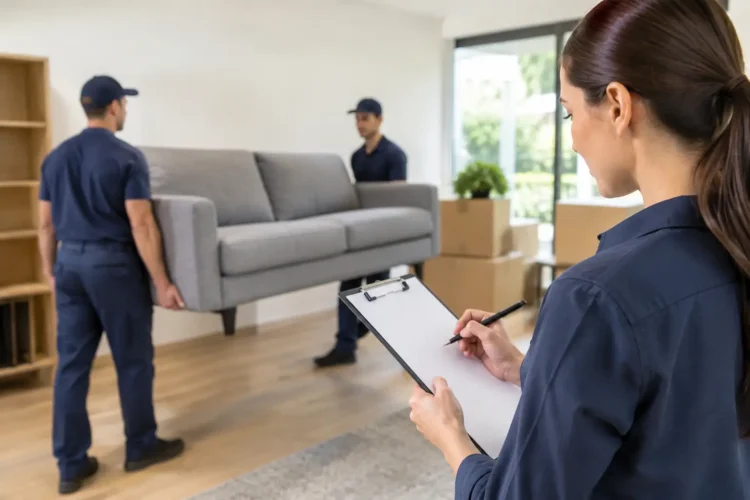




Apartment moves are rarely difficult because of the distance between addresses. They get difficult when a lift is booked out, the loading zone is blocked, a sofa will not fit through the stairwell, or keys are not ready when the truck arrives. The best apartment moving tips focus on those access details first, then make packing and moving day easier.
A good plan saves time, avoids unnecessary hourly costs and helps protect your belongings and rental bond. Whether you are moving from a Melbourne CBD apartment, a suburban unit or a high-rise complex, start early and make decisions based on the building rules, not guesswork.
Best Apartment Moving Tips: Start With Building Access
Before booking a moving time, contact the building manager, concierge or real estate agent and ask exactly what is required. Many apartment buildings have specific conditions for removals, including approved moving hours, lift reservations, loading-bay bookings and rules about protecting common areas.
Confirm whether the removal truck can stop directly outside the building. If it cannot, find out where the nearest legal loading area is and how far movers will need to carry items. A short walk can become a major delay when there are several flights of stairs, a busy footpath or restricted access.
Ask these questions before move day: Is a lift booking needed? Are lift pads or floor coverings required? Is there a height limit for vehicles entering the car park? Can movers use the loading dock? Do you need a key, swipe pass or security escort?
Write the answers down and pass them on when arranging your removal quote. Accurate access information lets the moving team bring the right truck, equipment and number of removalists. It also reduces the risk of last-minute changes that cost time and money.
Measure the Hard Parts Before You Pack
Do not assume that a couch which fitted into your current apartment will fit into the next one. Measure large furniture, then measure the narrowest parts of the route: apartment doorway, hallway, lift interior, stairwell turns and entrance gates.
Pay close attention to height as well as width. Some tall bookcases, refrigerators and bedheads can fit through a doorway upright but cannot make the turn into a corridor. If access is tight, dismantling may be the safer option. Beds, dining tables and modular furniture are often straightforward to take apart, but only if fittings are labelled and kept together.
Take clear photos of difficult access points. They are useful when discussing the move with professional removalists, especially for bulky pieces such as a piano, large fridge, pool table or solid timber furniture. Specialty items need more planning than standard boxes, and attempting to force them through a tight space is how walls, furniture and fingers get damaged.
Create a Furniture Plan for the New Apartment
Apartment rooms can look bigger in an online listing than they feel once furniture arrives. Sketch a basic floor plan or use the property measurements to decide where the main items will go. This prevents movers from carrying a heavy couch into a room, only to carry it back out again.
Give clear instructions for each room and label furniture where helpful. If a wardrobe is going into the second bedroom, say so before it leaves the truck. Small decisions made at the door can hold up the whole job.
Pack for a Building, Not Just a House
Apartment moving means boxes may travel through lifts, corridors and shared entryways. Use strong, manageable cartons rather than oversized boxes that are too heavy to carry safely. Books, tools and kitchenware belong in smaller boxes. Lightweight linen, cushions and clothing can go into larger ones.
Label every box with both its room and a short contents note. “Kitchen – everyday plates” is much more useful than “Kitchen”. On arrival, the team can place boxes in the correct rooms without opening anything, and you can find the kettle, medications and chargers without tearing through ten cartons.
Keep one clearly marked essentials box with the items you will need on the first night. Include toiletries, a change of clothes, medications, important documents, phone chargers, basic cleaning supplies, toilet paper, snacks and tea or coffee. Carry valuable jewellery, passports, cash and irreplaceable documents yourself rather than packing them in the moving truck.
Fragile items need proper protection, not just a label that says “fragile”. Wrap glassware individually, use paper or padding to stop movement inside cartons, and fill empty gaps so items cannot knock together. Plates are generally safer packed vertically in small, well-padded boxes. For TVs, artwork and mirrors, use purpose-made protective materials where possible.
Sort Rubbish and Donations Before Removalists Arrive
Every item you decide not to move saves space, lifting and cost. Go through cupboards, storage cages and the balcony before packing begins. Expired pantry goods, broken appliances, old paperwork and unused furniture are all easier to deal with before the truck is booked.
Do not leave unwanted items in the hallway, rubbish room or loading dock unless the building has specifically approved it. Many strata properties issue fees for abandoned goods, and your bond can be affected if rubbish is left behind.
If you are donating or selling furniture, arrange collection before moving day. A buyer who does not show up can leave you with a couch that no longer has a place in the truck.
Protect Your Bond While You Move Out
A clean, undamaged apartment makes the final inspection simpler. Photograph each room after it is empty, including walls, floors, inside cupboards, appliances and any existing marks. Keep a copy of your entry condition report and compare it with the property as you leave.
Avoid dragging furniture across floors. Use furniture blankets, sliders or lifting help, particularly on timber, laminate and tiled surfaces. Take extra care around door frames, lift interiors and common-area walls. Damage in these spaces may be charged separately by the building owners corporation.
If your lease requires professional cleaning, schedule it after the apartment is empty. Cleaning around stacks of boxes is inefficient, and cleaners can do a better job once furniture, rubbish and packing materials are gone.
Plan Timing Around Keys, Lifts and Traffic
The earliest available move time is not always the best one. A morning move gives you more daylight and leaves room to solve problems, but it may clash with peak traffic, school drop-off or busy loading zones. Midday can work well for some buildings, while others restrict moves to weekday business hours.
Make sure keys are collected before the truck is loaded, not halfway through the job. Confirm the handover time with your agent or landlord, and have a backup contact number if there is a delay. If you are moving between apartments on the same day, allow a buffer for travel, lift waits and unexpected access issues.
For Melbourne apartment moves, parking conditions can change block by block. Check signage, permit zones and clearway times near both properties. If a loading space needs to be reserved, arrange it early rather than hoping there will be room when the truck arrives.
Choose Movers Based on More Than an Hourly Rate
Price matters, but the lowest advertised rate does not tell you whether the team is insured, trained or prepared for apartment access. Ask what is included in the quote, how travel time is handled, whether protective equipment is supplied and what happens if the move runs longer than expected.
Be upfront about stairs, long carries, lift bookings, parking restrictions, heavy items and dismantling needs. A detailed quote is more useful than a vague estimate because it sets clear expectations on both sides. For interstate apartment moves, a fixed-price quote can provide more certainty than trying to calculate an hourly job across a long distance.
Packing and unpacking support can also be worthwhile when time is short or the household is large. It is an added cost, but it may reduce disruption, prevent breakages and get your new apartment functional faster. Blaze Removals can help with packing, furniture handling and specialty items when you need more than transport alone.
Give the Move a Clear Finish Line
Before the truck leaves, walk through the apartment, storage cage, balcony and car space. Open every cupboard, check behind doors and make sure nothing has been left in the lift lobby or loading area. At the new address, check that major furniture is in the right room before signing off.
The best move is not the one that gets boxes through the front door fastest. It is the one that leaves your old place ready to hand back, your belongings protected and your new apartment easy to settle into that night.