



A move later in life is rarely just about changing addresses. It can mean leaving a long-held family home, making room for a simpler routine, or moving closer to support. This senior downsizing moving guide focuses on the practical work that makes the process safer, less stressful and easier to manage for seniors and their families.
The key is to start earlier than you think you need to. Downsizing works best when decisions are made in small, manageable stages, not under pressure in the final week before removal day.
Start with the new home, not the old one
Before sorting a single cupboard, get a clear picture of the new property. Measure key rooms, doorways, lifts, hallways and storage areas. Ask for a floor plan where possible, then identify where the essential furniture will go.
This prevents a common and costly problem: moving large pieces only to find they do not fit through the door, suit the room or leave enough space to move about safely. A favourite dining table may have meaning, but if it blocks a walking path or makes a smaller lounge feel cramped, it may no longer be the right piece for the new home.
Focus first on everyday living. A comfortable bed, supportive chair, dining setting, fridge, essential kitchen items and familiar personal belongings usually matter more than filling every room. Leave clear pathways for walkers, mobility aids and visitors.
Make downsizing decisions one area at a time
Trying to assess an entire home in a weekend is exhausting. Work room by room, or even drawer by drawer, and set realistic sessions of one or two hours. Stop before fatigue leads to rushed choices or unnecessary tension.
Use four clear categories: take, give to family or friends, donate or sell, and dispose of. Keep a fifth temporary category for items that need more thought, but give it a deadline. Without one, the “decide later” pile can become the biggest pile in the house.
Items with strong sentimental value need a different approach from ordinary household goods. Photographs, letters, children’s artwork and family heirlooms can be difficult to reduce because they carry stories, not just physical weight. Consider photographing bulky keepsakes, sharing selected pieces among relatives, or creating a small memory box that will fit in the new home.
Family members can help, but the senior’s wishes should guide the process wherever possible. Well-meaning relatives sometimes see a practical item to remove while its owner sees a connection to a person or time in their life. Ask before making decisions, and avoid turning sorting sessions into an argument about what is valuable.
Use a realistic moving timeline
A steady plan reduces last-minute costs and decisions. For most homes, allowing six to eight weeks is sensible. Larger properties, interstate moves or homes with decades of belongings may need longer.
Six to eight weeks before moving
Confirm the moving date, assess the new home and begin sorting low-use rooms such as spare bedrooms, linen cupboards, sheds and bookcases. This is also the time to arrange donations, rubbish removal, sales or collection of items going to relatives.
If paperwork has accumulated over many years, sort it carefully. Keep identification, legal documents, financial records, medical information and current insurance papers in a clearly labelled folder that travels with the senior rather than in the removal truck.
Three to four weeks before moving
Start packing non-essential items, including out-of-season clothes, decorative pieces, books and rarely used kitchenware. Arrange address updates for banks, utilities, medical providers, government services, subscriptions and insurance.
For seniors moving into retirement living or supported accommodation, confirm what services and furniture are included. Some residences provide appliances or have rules around wall fittings, large furniture and delivery times. Knowing this early avoids bringing items that cannot be used.
The final week
Pack a first-night box and keep it easy to access. Include medication, scripts, glasses, hearing aids and chargers, toiletries, a change of clothes, bedding, important contacts, snacks, water and a kettle or tea supplies. Add remote controls, keys and any mobility equipment needed immediately.
Keep valuables, jewellery, wallets, phones and personal documents with a trusted family member or the senior on moving day. Do not pack these items into general boxes.
Plan for safety, access and specialist handling
Older adults can be more vulnerable to trips, fatigue and injury during a move. They should not be lifting boxes, climbing ladders or attempting to shift furniture to “help things along”. Their role is to make decisions, direct the placement of important belongings and take breaks when needed.
Tell the removalist about access at both properties. Details such as stairs, narrow driveways, apartment lifts, loading zones, parking restrictions and long walks from the truck all affect the plan. In Melbourne CBD apartments, lift bookings and loading access often need to be organised in advance.
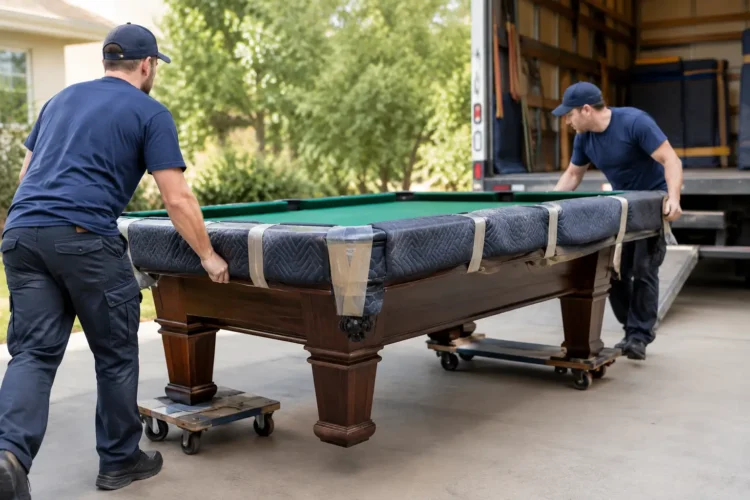
Be upfront about specialty items too. Pianos, pool tables, antiques, large cabinets and heavy safes require the right equipment, trained handling and enough time. Trying to treat a difficult item like an ordinary box can damage the item, the property or the people moving it.
A professional removal team can also dismantle and reassemble suitable furniture, protect fragile pieces and place labelled cartons in the correct rooms. This is particularly helpful when family members cannot manage the physical work or live too far away to assist.
Pack for finding things quickly
Good labelling is not about neatness. It makes settling in less confusing. Label each carton with the destination room and a short description of what is inside, such as “Kitchen – mugs and tea towels” or “Bedroom – winter clothes”. Put labels on the top and at least one side so they can be seen when boxes are stacked.
Avoid overpacking cartons. Smaller, manageable boxes are safer for books, paperwork and heavy kitchen items. Use larger cartons for linen, cushions and lightweight clothing. Wrap fragile items properly and mark them clearly, but do not rely on a “fragile” label instead of secure packing.
If packing feels overwhelming, professional packing support can be worth considering. It is an added cost, but it can save days of work and reduce the risk of breakages. The right choice depends on the household budget, the amount being moved and how much support is available from family.
Keep the move day calm and predictable
Moving day should not begin with unanswered questions. Confirm arrival times, parking arrangements, contact numbers and the final inventory with the removalist beforehand. Make sure there is a clear route through the home and that loose rugs, cords and boxes are out of walking paths.
Some seniors prefer to be present while everything is loaded; others find the activity overwhelming. There is no single right answer. A family member can stay at the property to answer questions while the senior waits somewhere comfortable, then arrives at the new home once essential furniture is in place.
At the destination, prioritise the bedroom, bathroom and kitchen. Make the bed first, set up medications and place frequently used items within easy reach. Check lighting, power points, smoke alarms and clear access to the bathroom before focusing on pictures, books or decorative pieces.
Choose movers who can support the whole job
Price matters, but the cheapest quote is not always the best value for a senior move. Ask what is included, whether the provider is insured, how they protect furniture and floors, and whether packing, unpacking or furniture assembly can be added if needed. Clear answers matter more than vague promises.
For Melbourne households, Blaze Removals can provide practical support from packing and furniture removals through to specialty-item transport. A clear scope of work helps prevent surprises on the day and gives families confidence that the physical side of the move is properly covered.
Downsizing can involve difficult choices, but it also creates a home that is easier to manage and better suited to the next stage of life. Give the process time, keep safety at the centre and make space for the belongings that still make a new place feel like home.