

A house move can look simple from the outside – load a truck, drive across town, unpack. In reality, that is only one part of the job. If you are asking what is house relocation, the short answer is this: it is the full process of moving your household from one home to another, with planning, packing, transport, handling, timing, and setup all working together.
For some people, relocation means a local move from one Melbourne suburb to the next. For others, it means coordinating a larger move with storage, fragile items, heavy furniture, access issues, or interstate delivery. The difference matters, because a proper relocation service is not just about getting boxes from A to B. It is about reducing risk, saving time, and making sure your belongings arrive in the same condition they left.
What is house relocation?
House relocation is the organised process of moving household contents from one property to another. That can include furniture removals, packing and unpacking, loading and unloading, transport, furniture dismantling and reassembly, and careful handling of bulky or delicate items.
The term is sometimes used loosely, but there is a practical distinction worth making. A basic move might mean hiring a truck and moving a few items yourself. House relocation usually refers to a more complete service, where the move is planned and carried out in stages so the whole job runs properly.
That matters when you are moving a family home, working to a settlement deadline, downsizing, relocating for work, or trying to avoid damage to expensive furniture and appliances. The more complicated the move, the more valuable a structured relocation service becomes.
What a house relocation service usually includes
A proper house relocation service covers much more than transport. First comes the planning. That means working out the size of the move, the type of truck required, the number of removalists, the access at both properties, and whether extra services such as packing or storage are needed.
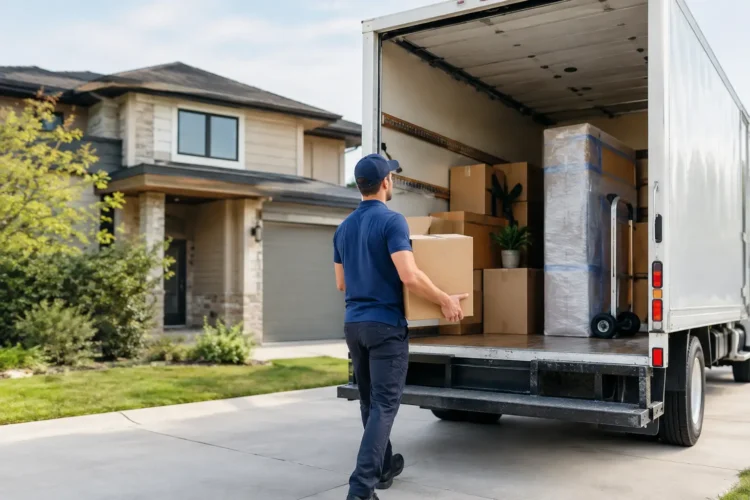
Then there is the physical side of the move. Furniture is protected, loose items are boxed, fragile goods are secured, and heavy pieces are handled with the right equipment and lifting methods. On moving day, the truck is loaded in a way that protects your items in transit and keeps the job efficient when unloading.
Some moves also need specialty handling. Pianos, pool tables, antiques, marble tops, large mirrors, and oversized lounges are not standard lift-and-carry jobs. They often need extra labour, wrapping, tie-down points, and experience. This is where many DIY moves come undone.
Once the truck reaches the new property, relocation is not finished. Unloading, room placement, reassembly, and unpacking support can make the difference between a move that ends on the day and one that drags on for a week.
How house relocation works from start to finish
Most relocations follow a clear sequence. The first step is assessment. A removalist needs to know what is being moved, where it is going, how far the trip is, and what access conditions look like. A second-floor flat with no lift is a different job from a single-storey house with easy driveway access.
The next step is booking and scope. This is where the service is defined. Are you moving only furniture, or the full contents of the home? Do you want packing done for you, or just transport? Are there fixed settlement times, building access windows, or body corporate rules to work around? Good planning here prevents delays and extra costs later.
After that comes preparation. Boxes are packed, furniture may be dismantled, fragile items are labelled, and moving-day essentials are separated from everything else. On the day itself, the crew loads, secures, transports, and unloads according to the agreed plan.
The final stage is setup. Some customers want a basic drop-off. Others want beds reassembled, whitegoods positioned, and cartons placed by room so unpacking is quicker. There is no single right level of service. It depends on budget, timeline, and how much work you want to take on yourself.
When professional relocation makes more sense than doing it yourself
Not every move needs a full-service team. If you are moving out of a small unit with minimal furniture and good access, a DIY move may be manageable. But there are plenty of situations where professional help is the smarter option.
If you have large furniture, limited time, awkward access, or valuable items, the risk of injury and damage rises quickly. Lifting a fridge down a narrow staircase, trying to fit a modular sofa through a tight hallway, or transporting a piano in a hired van is where cheap moves often become expensive.
Professional movers also help when timing matters. Settlement dates, lease handovers, elevator bookings, and work commitments leave little room for mistakes. A structured relocation service keeps the move on track and removes a lot of the manual workload from your end.
For families with children, older homeowners, or people relocating for work, the value is often not just physical labour. It is reduced stress and fewer moving parts to manage.
What affects the cost of house relocation?
The cost depends on the size and complexity of the move. Distance is one factor, but it is not the only one. The volume of goods, number of movers required, truck size, property access, and whether you need packing or special-item handling all affect the final price.
Local moves are often charged hourly, while interstate relocations are more commonly quoted at a fixed price. Neither model is better in every situation. Hourly pricing can work well when the scope is clear and the move is straightforward. Fixed pricing is often more useful for longer-distance jobs where customers want certainty before booking.
Access can have a bigger impact than many people expect. Stairs, long carries from the truck, tight driveways, apartment loading zones, and limited parking all add time and labour. So do items that need dismantling before they can be moved safely.
This is why accurate quoting matters. If you understate the amount of furniture or leave out difficult access details, the move may run longer or require a different truck. Clear information upfront leads to a smoother job and fewer surprises.
Common problems during relocation and how to avoid them
Most moving problems are preventable. Poor packing is one of the biggest. Overfilled boxes, weak cartons, and unprotected breakables are a recipe for damage. If you are packing yourself, use strong materials and keep heavy items in smaller boxes.
Another issue is underestimating volume. People often forget how much is stored in wardrobes, sheds, spare rooms, and garages. A move that looks like a two-bedroom job can turn into a much larger load once everything is accounted for.
Timing also causes trouble. If keys are delayed, building access is restricted, or the property is not ready for unloading, the whole move slows down. Confirm handover times, lift bookings, and parking access before moving day.
Then there is the question of what not to move. Rubbish, expired pantry goods, broken furniture, and items you no longer use only add cost and clutter. A relocation is a good time to be ruthless and cut down what does not need to come with you.
What to look for in a house relocation company
If you want the move done properly, look past the headline price. Reliability matters more than a cheap quote that leaves out half the service. A good relocation company should be clear about what is included, how pricing works, and whether extra services such as packing, unpacking, dismantling, and specialty handling are available.
Insurance, trained staff, safe handling practices, and professional equipment should not be treated as optional extras. They are part of a service that is built to protect your property and your time.
It also helps to work with a team that understands the practical side of local moving conditions. In places like Melbourne, traffic, apartment access, narrow streets, and weather can all affect moving-day logistics. A company that plans for those conditions will usually deliver a better result than one that treats every move the same.
Blaze Removals works with that practical mindset – clear quoting, proper handling, and service options that match the size and complexity of the move.
So, what is house relocation really about?
It is not just transport. It is planning, labour, protection, timing, and getting your household from one address to the next without turning the move into a drawn-out problem. Some relocations are simple. Others need packing support, careful scheduling, and experienced handling from start to finish.
The right setup depends on your home, your timeline, and how much risk you are prepared to carry yourself. If you treat relocation as a full process rather than a truck hire, you are far more likely to get through moving day with less stress, less damage, and far less wasted time.
When the move is organised properly, your new place starts feeling like home a lot faster.