



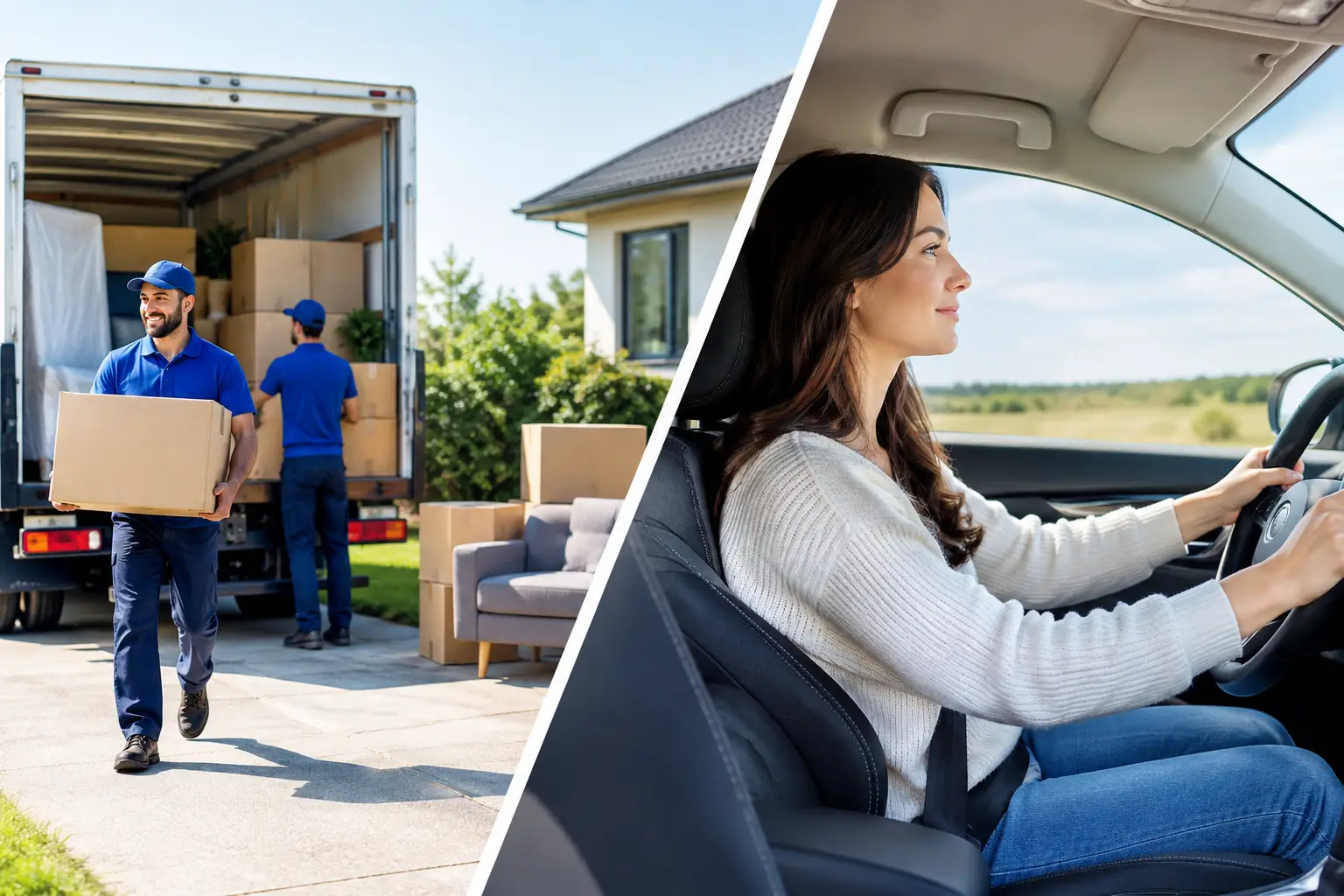
A Melbourne-to-Brisbane move can look cheap on a rental-truck website, right up until you add fuel, accommodation, excess kilometres, tolls, insurance excess and two days off work. That is the real question behind interstate removalists vs self driving: not just which option has the lower starting price, but which one gives you the safest, most predictable move.
For a small, flexible move, driving yourself can be a sensible call. For a family home, valuable furniture or a deadline you cannot miss, professional transport often costs less than people expect once every moving expense is counted properly.
What self driving really involves
Self driving means more than putting boxes in a van and heading up the highway. You need to choose the right truck size, collect it during the hire window, load it safely, secure every item, drive long distances, refuel, unload at the other end and return the vehicle according to the hire terms.
That workload is manageable when you have a light load, confident drivers and plenty of time. It gets harder when you are moving a two or three-bedroom home, travelling with children, coordinating settlement dates or dealing with heavy items such as a piano, large fridge or solid timber furniture.
A truck that is too small can force multiple trips or leave you scrambling for storage. One that is too large may cost more to hire and feel difficult to handle through city traffic, service stations and tight driveways. There is also loading technique to consider. A poorly balanced truck can make the drive less stable, while furniture that has not been wrapped and tied down can be damaged long before you reach the state border.
The costs people forget to include
The advertised truck-hire rate is only one part of the bill. Before deciding to drive, price the full journey from door to door. This includes vehicle hire, kilometre charges where applicable, fuel, tolls, overnight stays, meals on the road, packing materials and cleaning or late-return fees.
You may also need a trolley, moving blankets, straps, ramps or extra hands for loading and unloading. If you are taking your own car separately, factor in its fuel and travel costs too. A one-way move can be particularly expensive if the vehicle must be returned to its original depot or if availability limits your pick-up and drop-off locations.
Time has a cost as well. A long interstate drive can take several days once loading, rest breaks, traffic and unloading are included. If you need to take unpaid leave, arrange childcare or delay starting a new job, the cheaper option can quickly become the more expensive one.
Interstate removalists vs self driving: the practical difference
Professional interstate removalists are built for the parts of moving that most people underestimate: safe packing, lifting, loading, transport planning and delivery coordination. Instead of hiring a vehicle and hoping it all fits, you receive a quote based on the actual volume of your belongings and the access at both properties.
A trained crew knows how to protect furniture, dismantle selected items, use blankets and wrapping correctly, and load a truck so items are less likely to shift in transit. That matters on long distances, where vibration, cornering and repeated braking can turn a loose load into damaged furniture.
The difference is especially clear for fragile and awkward items. Flat-pack furniture may need dismantling to travel safely. Glass tabletops, artwork and electronics need more than a few old towels. Pianos, pool tables and other specialty items need the right equipment, handling plan and people who understand the risks. These are not jobs to solve with a borrowed ute and good intentions.
With a removalist, you also avoid driving an unfamiliar heavy vehicle through unfamiliar areas after a full day of physical work. Your job becomes deciding what is coming with you, confirming access details and being ready for collection and delivery. For busy households and businesses, that reduction in workload is often the biggest benefit.
Compare the risks, not only the quote
Every interstate move carries some risk. The key is to understand who manages it and what protection applies if something goes wrong.
With self driving, you are responsible for loading, securing and driving the vehicle. Hire agreements commonly have conditions around driver age, licence type, permitted routes, overhead clearance and damage. If the truck is damaged, the excess may be substantial. Your household contents cover may not automatically protect belongings while they are in a hired vehicle, particularly if packing or loading contributed to the damage.
Professional movers also have terms and limits that should be read carefully, but an established provider can explain its transit protection, handling procedures and any items that require special arrangements. Ask direct questions before booking: What cover is included? Are there declared-value requirements? Who packs fragile items? What happens if access is restricted or delivery dates change?
The right answer is not always “hire removalists”. If you are moving a few boxes, a mattress and a desk to a nearby capital city, self driving may be efficient. If your belongings fill a home, your move date is fixed or you cannot afford an injury or damaged furniture, paying for experienced help is a risk-management decision, not a luxury.
When self driving can make sense
Self driving is worth considering when the load is genuinely small and easy to handle. It can suit students, renters moving from a furnished property, or people who are already taking a road trip and have only personal items to transport.
It also works best when your dates are flexible. You can collect a vehicle during a cheaper period, avoid peak moving days and take your time with the journey. Having experienced friends or family who can help with lifting makes a difference, provided no one is pressured into carrying items that are too heavy or unsafe.
Be honest about what you are capable of moving. A washing machine is not just heavy – it needs to be disconnected, drained, protected and kept upright where possible. A large couch may not fit through a stairwell without careful manoeuvring. Saving money is worthwhile only if the move remains safe and manageable.
When a removalist is the better investment
A professional interstate service is usually the stronger option when you have a full household, multiple bedrooms, stairs, limited parking, valuable belongings or a firm handover date. It is also practical when you need packing, unpacking, furniture assembly or speciality-item handling as part of the job.
Businesses should be particularly cautious about self driving. Office moves involve desks, IT equipment, filing, stock and downtime. A delayed truck return or damaged monitor can cost more than the transport itself. A planned removal service helps keep the move organised so staff can get back to work sooner.
For moves from Melbourne or Geelong to another state, fixed-price interstate quoting can be easier to budget for than a collection of variable self-drive charges. Give the removalist an accurate inventory, photos of difficult access and clear details about large or fragile items. The more information provided upfront, the more reliable the plan and quote will be.
Blaze Removals can assist with interstate transport, packing support and specialist handling where the move needs more than a truck and a spare weekend. The goal is straightforward: protect your belongings, keep the schedule clear and remove the heavy work from your plate.
Make the decision with a realistic checklist
Before you choose, compare both options using the same information. Measure large furniture, estimate box numbers and check access at each property. Include every self-drive expense, not just the daily hire price. Then place a value on your time, energy and confidence behind the wheel.
Also consider the day after delivery. Will you be able to unpack, start work and settle the household, or will you be recovering from a long drive and a weekend of lifting? There is no prize for doing an interstate move the hard way. Choose the option that gives your belongings, your budget and your move date the best chance of arriving in good shape.