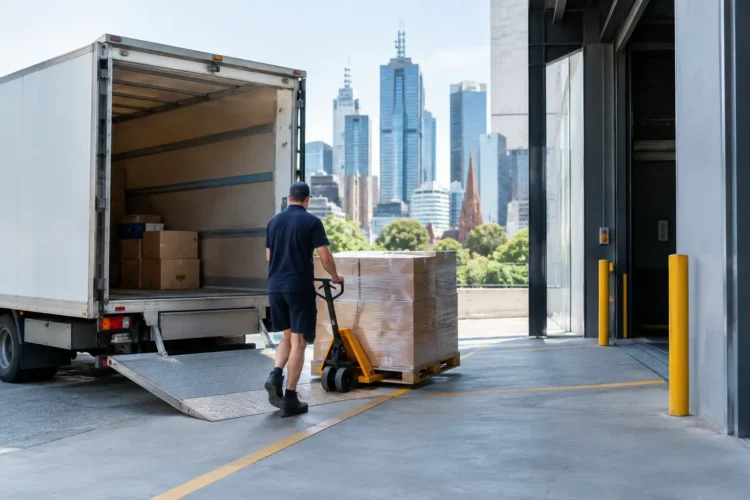




A Friday settlement date, a young family, a four-bedroom Ballarat home and a long interstate drive leave little room for guesswork. This Ballarat interstate moving case study shows what a properly planned relocation looks like when timing, fragile belongings and access restrictions all need to line up.
The family was moving from Ballarat to a regional NSW property. They needed packing support for breakables, transport for a full household, safe handling for a piano and delivery coordinated around keys being collected at the new address. Their priority was straightforward: get everything there safely, know what was happening at each stage and avoid surprise costs.
The Brief: More Than Loading a Truck
Interstate moves are not simply bigger local moves. The distance adds pressure to every decision made before the truck leaves. If furniture is poorly prepared, if the inventory is unclear or if delivery access is not checked, the problem can follow the load hundreds of kilometres.
In this case, the household included standard furniture, boxed personal items, a dining setting, outdoor furniture, whitegoods, a piano and several fragile pieces that had been passed down through the family. The clients had already done some packing, but they were unsure whether the cartons were suitable for a long trip and whether loose items in drawers could stay where they were.
The first job was to turn a broad request into a clear scope of work. That meant confirming the volume of goods, identifying specialty items, reviewing both properties for access and agreeing on collection and delivery windows. For interstate work, a fixed-price quote is usually the sensible option once the scope is clear. It gives customers a proper figure to plan around rather than an open-ended estimate based on hours on the road.
Planning the Ballarat Interstate Move
A site assessment identified two issues early. The Ballarat property had a narrow driveway and steps at the front entrance. At the destination, the new home sat on a sloping block with a gravel drive and a tight turning area. Neither issue was a deal-breaker, but both affected vehicle choice, loading sequence and the number of people needed on the day.
The move was scheduled across two stages. Packing and preparation took place before moving day, so the crew was not trying to wrap delicate items while also loading a full truck. The second stage covered collection, transport and delivery. This approach costs more than a basic load-and-go service, but it reduces risk where a household has valuable furniture, fragile pieces or a deadline that cannot move.
The family was also given a practical checklist before the move. They were asked to keep passports, medications, chargers, keys, important paperwork and overnight essentials with them rather than sending them in the truck. A separate essentials box was marked for immediate access at delivery. Small steps like these prevent the common end-of-day scramble through dozens of cartons.
Packing for Distance, Not Just Departure
For an interstate relocation, cartons must cope with loading, road movement, unloading and placement at the other end. The packing team used appropriately sized cartons, protective wrapping and clear labels showing both contents and destination room. Fragile items were packed to minimise movement inside each carton, while heavier items were placed in smaller boxes that could be safely handled.
Furniture was wrapped to protect corners, surfaces and upholstery. Beds and larger pieces were dismantled where needed for safer carrying and better truck loading. Components were kept together and clearly marked so reassembly was not left to chance at the destination.
The piano required its own handling plan. It was protected, secured and moved with equipment suited to its weight and shape. Specialty items are where a removalist earns trust. A piano, pool table or oversized cabinet cannot be treated like an ordinary carton, and customers should always mention these items before receiving an interstate quote.
Moving Day: Control Starts at the Door
On collection day, the crew completed a final walk-through with the client before loading began. This confirmed which items were travelling, which were staying behind and whether any last-minute changes affected the agreed scope. It also helped avoid a familiar problem: a shed, garage or spare room being overlooked until the truck is nearly full.
The loading order mattered. Larger and heavier items were positioned to create a stable base, while fragile and high-value pieces were secured away from pressure points. Cartons were stacked with weight and room order in mind, not simply placed wherever there was space. That protects belongings and makes delivery faster because the crew can unload in a logical sequence.
The narrow driveway in Ballarat required careful vehicle positioning and a controlled carry path from the house to the truck. The team kept walkways clear, protected vulnerable furniture and managed the steps rather than rushing them. Fast is useful only when it is still safe. A rushed move can turn a manageable job into damaged furniture, strained backs or unnecessary delays.
Before departure, the team completed a final property check with the family. Cupboards, wardrobes, the garage and outdoor areas were checked so no packed item was left behind. The clients then had a clear point of contact for updates during transport.
Transport and Delivery: Where Communication Matters
Long-distance transport requires planning around travel time, rest requirements, road conditions and the agreed delivery window. Customers do not need a vague promise that the truck is “on its way”. They need clear communication about when the load has left, when it is expected to arrive and who to contact if access conditions change.
In this case, the family received delivery timing updates while travelling to their new home. The destination crew was prepared for the sloping drive and tight turning area, so there was no last-minute debate at the gate. Access had already been discussed, which allowed the delivery to proceed safely.
At the new property, large furniture was placed in the rooms nominated by the clients. The bed frames were reassembled, whitegoods were positioned and the marked essentials cartons were brought in first. This did not mean the house was instantly unpacked, but it made the first night manageable. The family could sleep, find basic supplies and begin settling in without opening every box.
Final Checks Before the Crew Leaves
A good interstate move does not end when the last item crosses the threshold. The final walk-through gives the customer a chance to check that major pieces are in the right rooms, confirm all planned items have arrived and raise questions while the crew is still there.
For this family, the final check focused on the piano, dining furniture, whitegoods and the cartons marked fragile. The delivery was completed within the agreed window, with no need for a second trip or last-minute storage. More importantly, the family had a workable home on day one rather than a house full of unlabelled boxes and unresolved issues.
What Made the Move Work
The successful outcome was not about a single trick. It came from doing the unglamorous parts properly: inspecting access, confirming the inventory, packing for the distance, planning specialty-item handling and communicating clearly at collection and delivery.
There are trade-offs. Customers on a tight budget may choose to pack their own cartons and only book transport. That can work well for a smaller, straightforward household, provided cartons are strong, labelled and ready to load. For larger family moves, fragile collections, difficult access or fixed settlement dates, professional packing and a detailed plan are usually money well spent.
Blaze Removals approaches interstate work with the same standard: clear quoting, trained handling and practical planning before the truck arrives. The aim is not to make moving sound easy. It is to make it organised, safe and far less stressful.
If you are leaving Ballarat for an interstate address, start with an accurate list of what is moving and an honest assessment of access at both homes. That one conversation can prevent most moving-day problems before they have a chance to start.