


A Melbourne CBD loading dock guide is not just a handy checklist – it can be the difference between a controlled move and a truck waiting in traffic while your booked lift time disappears. CBD buildings run on tight access windows, strict vehicle rules and building manager approval. Whether you are moving a small office, apartment or retail space, loading dock arrangements need to be sorted before moving day.
The good news is that most delays are avoidable. Clear building information, the right truck and a realistic plan give your removalists the access they need to get the job done safely and efficiently.
Why CBD loading docks need planning
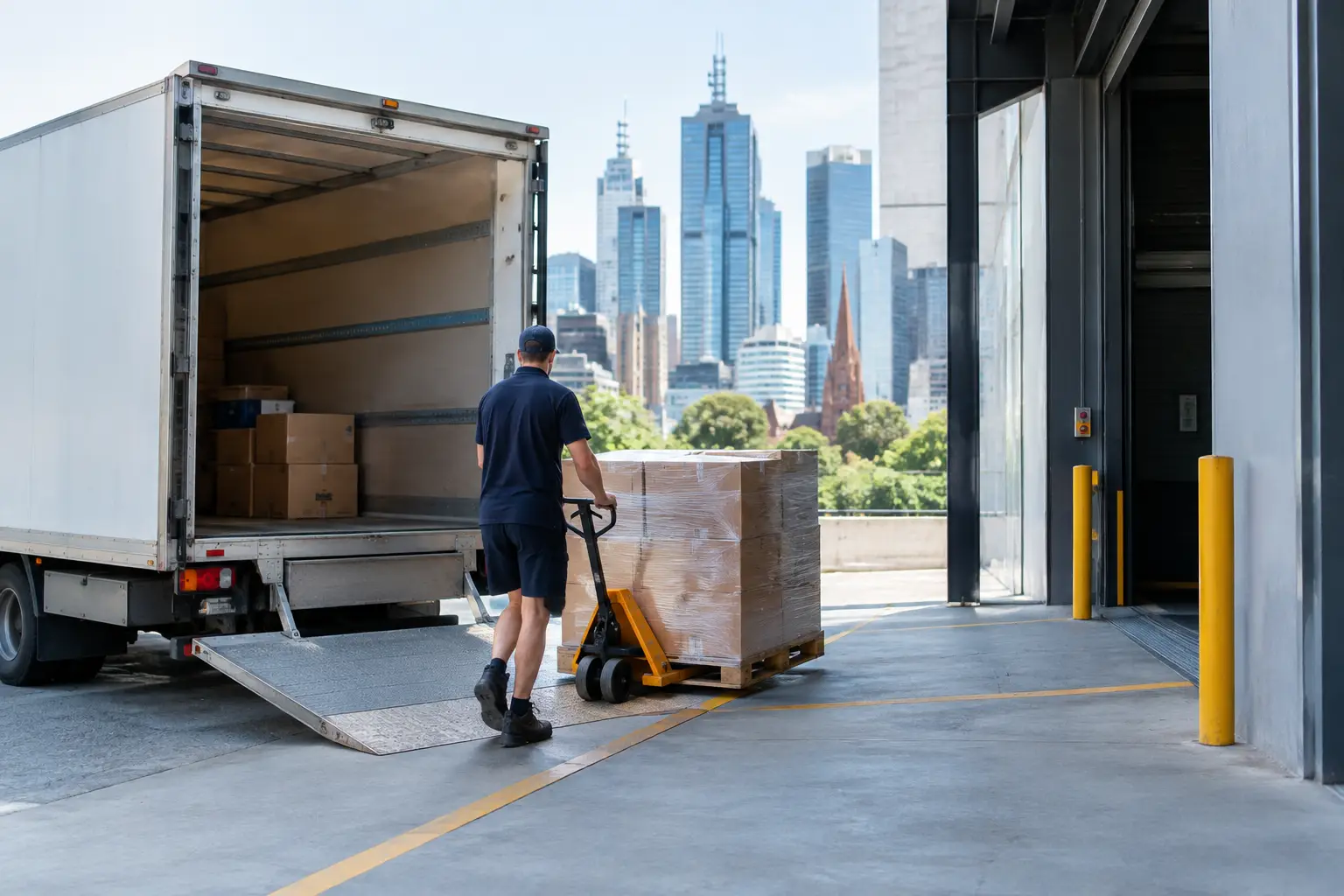
Melbourne CBD loading docks are shared operational spaces. They may service office tenants, apartment residents, couriers, tradespeople and rubbish collection on the same day. Buildings often limit how long a vehicle can remain in the dock, where it can park and which lift can be used for a move.
Street access is not a reliable fallback. Clearways, tram routes, bike lanes, busy footpaths and limited legal parking can make unloading from the street slow, costly and unsafe. A booked dock is usually the practical option, but it only works if your building has confirmed the details in advance.
For commercial moves, the stakes are higher. An unplanned delay can affect staff, IT contractors, building security and the incoming tenant. For apartment moves, it can mean a lift booking is lost and your move rolls into a more expensive time window.
Melbourne CBD loading dock guide: what to confirm first
Contact the building manager, concierge or owners corporation as soon as you have a moving date. Do not assume the dock is available because it looks empty when you visit. Many buildings require a formal booking, bond, certificate of currency or advance notice from the removalist.
Ask for the dock rules in writing. You need to know the maximum vehicle height, length and weight, the entry point, the time permitted in the bay and whether the truck must reverse in. A truck that cannot clear a low-height entrance is not a minor inconvenience – it can stop the move before it starts.
Also confirm whether the building has a dedicated goods lift. Passenger lifts are commonly protected from furniture moves, especially during business hours. Find out which lift is allocated, its internal dimensions, weight limit and whether a building representative must operate it.
Your removalist should receive this information before the crew arrives. Photographs of the dock entry, lift and route from the lift to your tenancy or apartment can also help identify problems early.
The access details your removalist needs
Provide the dock address and entry street, not only the building’s main street address. CBD buildings can have loading access from a laneway or a different road altogether. Include the dock booking time, vehicle limits, goods lift booking time and the contact number for the building representative on the day.
Mention any access restrictions, including boom gates, intercoms, key cards, security sign-in requirements and after-hours entry procedures. If the dock has a sharp turn, narrow ramp or restricted reversing area, say so. The right vehicle choice depends on real site conditions, not guesswork.
Book the lift and dock as one job
A common mistake is booking the loading dock but forgetting the goods lift, or booking both for different time periods. Your truck, crew and lift access need to line up.
Allow time for the crew to check in, place lift protection where required, move items through corridors and secure furniture in the truck. The usable moving time is always shorter than the booking window. A two-hour dock booking may leave far less than two hours of actual loading once building procedures are included.
For an office move, schedule the larger furniture and equipment first. Desks, meeting tables, filing cabinets and boxed IT equipment take more handling time than loose cartons. If your building permits it, an evening or weekend booking can reduce pressure from deliveries and pedestrian traffic. It may cost more, but it can be worthwhile for a business that cannot afford weekday disruption.
Choose a truck that suits the dock, not just the load
The largest truck is not always the fastest option in the CBD. A large vehicle may reduce the number of trips, but it is no use if it cannot enter the loading dock or safely manoeuvre in the laneway.
This is where accurate information matters. A smaller truck may be the better choice for a building with low clearance, a tight dock or difficult turning access. On the other hand, using a vehicle that is too small can create extra trips, extra handling and longer labour time.
Tell your removalist about bulky pieces early. Pianos, pool tables, large safes, boardroom tables, commercial printers and oversized couches may need extra crew, specialised equipment or a different access plan. Some items may not fit in the goods lift even when the truck can access the dock.
Protect the building and your belongings
Most CBD buildings require protection for lifts, walls and common areas during a move. This may include lift pads, floor coverings and corner protection. Confirm who supplies it. In some buildings, management installs protection before the booking begins. In others, the removalist needs to bring suitable materials.
Do not rush furniture through narrow corridors or force large items around tight corners. Scratches to common property can lead to a bond claim, while damaged furniture can turn a straightforward move into a stressful insurance issue. Professional handling is slower than careless handling for a few minutes, but far quicker than dealing with damage afterwards.
If your building requests proof of insurance, send the requirement to your removalist well before the move. Last-minute document requests are a frequent cause of delayed dock access.
Prepare the load before the truck arrives
Loading dock time is too valuable to spend deciding what is going, sorting loose items or dismantling furniture that should have been prepared the day before. Pack and label cartons by room or department, and keep an essentials box separate for items you will need immediately at the new location.
For offices, label workstations and furniture according to the floor plan at the destination. For homes and apartments, disconnect appliances, empty drawers where practical and make sure fragile items are packed correctly. If you need packing, dismantling or reassembly support, arrange it ahead of time so the crew can work to the dock booking rather than improvising on arrival.
Keep the pathway from your tenancy to the lift clear. Remove rubbish, unused boxes and personal items from corridors where possible. Your building may have fire-safety rules that prevent items being left in common areas, even temporarily.
Plan for parking restrictions and timing changes
Even with a dock booking, traffic conditions can affect arrival times in the CBD. Roadworks, events, delivery traffic and peak-hour congestion are normal parts of moving in central Melbourne. A professional removalist will plan the route, but you should avoid booking an unrealistically tight window if you have a choice.
If the truck is delayed, notify building management immediately. Some buildings can extend a booking if the dock is not required by another tenant, while others will not. Knowing the cancellation, extension and overstay rules beforehand helps you make a quick decision rather than losing access without warning.
For moves involving several locations, build in contingency time. Collecting furniture from a suburban home before delivering it to a CBD apartment, for example, requires a different schedule from a direct office-to-office relocation.
Moving-day checks that prevent hold-ups
Before the crew arrives, make sure the building contact knows the removalist’s company name and expected arrival time. Keep your mobile switched on, have any access fobs ready and meet the crew at the agreed entry point if security requires it.
A quick final check should cover four areas:
- the loading dock and goods lift are booked for matching times
- the truck dimensions meet the dock restrictions
- insurance and building documents have been approved
- furniture, cartons and pathways are ready for loading
These simple checks prevent the most common CBD moving delays. They also help the crew focus on careful loading, not chasing keys, security approvals or missing instructions.
Get the right help for a CBD move
CBD relocations reward preparation. A removalist that understands timed dock access, goods lifts and difficult vehicle entry can keep the move controlled from the first box to the final placement. Blaze Removals can help plan residential and commercial moves around your building’s requirements, including packing, furniture handling and specialised items.
Before you lock in a moving date, get the dock rules and lift booking confirmed. That one step gives your move the best chance of starting on time, staying within the booked window and finishing without unnecessary pressure.