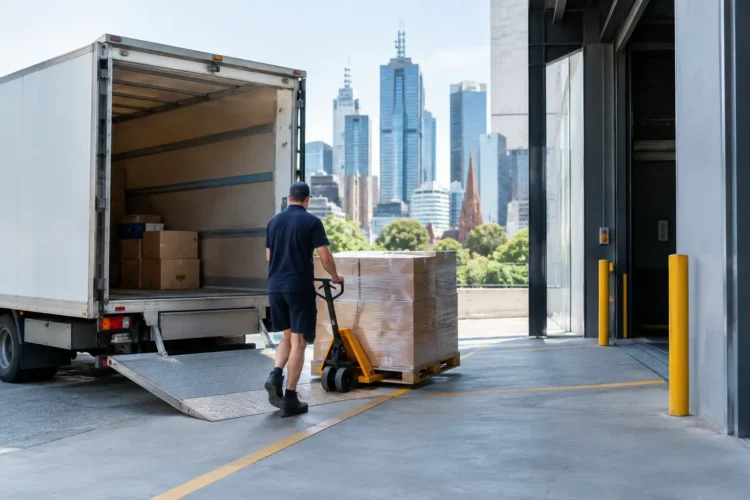




A two bedroom move example is useful because it turns a vague moving quote into a real plan. Instead of guessing whether you need one person, a ute or an entire day, you can compare your home, access and packing needs with a typical two-bedroom household move.
For most Melbourne renters, couples and small families, a two-bedroom move means more than two beds and a lounge. It often includes appliances, a dining setting, outdoor furniture, boxes from storage cupboards and the awkward pieces that take time to protect and carry. The right crew and truck size depend on the full load, not just the number of bedrooms.
A realistic two bedroom move example
Picture a couple moving from a two-bedroom apartment in Point Cook to a townhouse in Tarneit. Their apartment is on the second floor, has lift access, and their new home has a driveway close to the front door. They have already packed most personal belongings into labelled cartons, but need help with furniture wrapping, a washing machine and a few fragile items.
Their load includes a queen bed and mattress, a double bed and mattress, two bedside tables, a three-seat sofa, an armchair, TV unit, television, coffee table, dining table with six chairs, fridge, washing machine, desk, bookcase, two chest drawers, outdoor setting and around 30 to 40 moving boxes. There may also be mirrors, artwork, plants, suitcases and items stored in wardrobes or on the balcony.
This is a standard two-bedroom load, but it is not a small job. A professional removal team needs enough room to stack the truck safely, protect furniture in transit and avoid making unnecessary return trips. The move is usually suited to a truck with a two-person crew, provided access is straightforward and the household is packed and ready.
What the moving day can look like
The crew starts by confirming the items being moved, checking access points and identifying anything that needs extra protection. Furniture is wrapped before loading where required. Beds may be dismantled, and larger items are positioned securely in the truck so they do not shift during transport.
For the apartment collection, lift bookings and loading-zone arrangements matter. If the lift is small, shared with other residents or far from the loading area, each trip takes longer. A flight of stairs, narrow hallway or long walk from the truck can also add handling time. These details are not minor – they are often the difference between a smooth half-day move and a move that runs well into the afternoon.
Once at the new townhouse, the crew unloads room by room where possible. Clearly marked cartons make this faster. A box labelled “Kitchen – everyday” should go to the kitchen, not the spare room. The same applies to beds, office furniture and fragile items. If bed frames were dismantled, reassembly can be arranged as part of the service.
With good access, prepared cartons and no unexpected heavy items, this example may be completed within a typical half-day to full-day booking window. The exact time depends on distance, traffic, loading conditions and how much preparation has been completed before the truck arrives.
What can make a two-bedroom move bigger
Two homes can both have two bedrooms and still require very different removal services. One may be a lightly furnished unit with 20 boxes. The other may be a family home with a garage, packed wardrobes, a shed and a large outdoor area.
The main factors that affect the size, time and cost of a move include:
- Stairs, small lifts, difficult parking or a long carry distance from the property to the truck.
- Extra spaces such as garages, storage cages, sheds, balconies and full linen cupboards.
- Heavy or specialty items, including pianos, pool tables, large aquariums, safes or oversized timber furniture.
- Packing requirements, especially fragile kitchenware, artwork, mirrors, glass tabletops and electronics.
- Furniture that needs dismantling and reassembly, such as beds, wardrobes, desks and large dining tables.
A two-bedroom home with a piano and three storage areas should not be quoted like a compact apartment with basic furniture. Being upfront about the complete inventory helps the removalist send the right team, allow the right time and avoid avoidable pressure on moving day.
Packing makes the biggest difference
Packing is where many moves lose time before the removalists even arrive. Half-filled boxes, loose items in drawers, unlabelled cartons and last-minute rubbish sorting all slow down loading. They can also increase the risk of breakage.
For a standard two-bedroom move, aim to have cartons sealed, labelled and stacked in one accessible area before moving day. Keep a separate essentials bag with medications, chargers, documents, keys, toiletries, a change of clothes and anything needed for children or pets. That bag should travel with you, not in the truck.
Fragile items need proper cartons, padding and clear labels. Plates should be packed on their edges, glasses should be individually wrapped, and television screens should be protected from pressure. Removalists can provide packing support when you do not have the time, materials or confidence to pack breakables yourself.
It is also worth emptying and defrosting the fridge in advance. Disconnect washing machines according to the manufacturer’s instructions, drain any remaining water and secure loose components. These small jobs prevent delays when the crew is ready to load.
Questions to answer before requesting a quote
A reliable quote starts with accurate information. You do not need to count every spoon, but you should describe the move as it really is. Mention the pickup and delivery suburbs, property type, level or number of stairs, lift access, parking conditions, major furniture and approximate box count.
Also mention any item that needs specialist handling. A piano, pool table or fragile antique should never be an afterthought. It may require different equipment, additional crew members or a specific handling plan.
If you are unsure whether an item matters, include it. Photos or a detailed inventory can be especially helpful for larger homes, difficult access or furniture with unusual dimensions. Transparent information gives you a more accurate estimate and gives the moving team a fair chance to prepare properly.
How to keep the move on track
Reserve building lifts and loading bays as early as possible, particularly for Melbourne CBD apartments. Check whether the building manager requires certificates of currency or has restricted moving hours. At the new property, make sure driveways, gates and access paths are clear before the truck arrives.
Do a final walk-through before leaving. Check wardrobes, overhead cupboards, the laundry, garage, storage cage and behind doors. Take photos of utility meter readings if relevant, collect all keys and make sure no pets are left in a closed room.
If settlement times, key handovers or building access are uncertain, tell the removalist before the booking. A clear plan is better than having a loaded truck waiting on the street while access is sorted out.
When a two-person crew is not enough
A standard two-person team is efficient for many two-bedroom moves, but more hands can be the smarter option when time or access is tight. Three movers may suit properties with multiple flights of stairs, heavy furniture, a large volume of boxes or a strict building time slot. The hourly rate may be higher, but the overall move can take less time.
The same applies to truck size. A truck that is too small may mean a second load, extra travel and more handling. A properly sized truck helps keep belongings together, reduces loading time and gets the job finished with less disruption.
For a move within Melbourne, Blaze Removals can assess the practical details behind your two-bedroom move rather than treating every home the same. The goal is simple: the right crew, the right vehicle and a clear plan before moving day begins.
A good move is not measured by how quickly boxes disappear from one address. It is measured by arriving with your belongings protected, your key furniture in place and no unpleasant surprises waiting in the final bill.