



A seventh-floor apartment move can go wrong before the truck even arrives. The lift is booked for the wrong time, the loading bay is blocked, or a sofa fits through the front door but not the lift. This Melbourne apartment move example shows how a well-planned local relocation can run from first quote to final box without wasted hours, damaged furniture or a stressful scramble at the end of the day.
The move: a realistic Melbourne apartment scenario
Picture a couple moving from a two-bedroom apartment in Southbank to a two-bedroom rental in Footscray. Their move includes a queen bed, dining setting, three-seat sofa, TV unit, washing machine, fridge, desk, bookshelves and around 35 cartons. They also have fragile kitchenware, artwork and a few bulky items that need dismantling before transport.
The Southbank building has a booked service lift and a narrow loading bay shared with other residents. The Footscray apartment is on level three, with lift access but limited visitor parking. Neither property has stairs as the main access point, but both have rules around lift use, vehicle height and loading times.
This is a standard apartment move on paper. In practice, access is what determines whether it is efficient. A reliable removalist can handle the lifting and transport, but the resident or property manager usually needs to arrange building approvals before moving day.
Melbourne apartment move example: the plan that saves time
Start with an accurate inventory
The first step is not choosing a truck. It is working out what is actually moving. A room-by-room inventory lets the removalist match the crew and vehicle to the job, rather than sending a smaller team that loses time making extra trips.
For this example, the couple provides photos of large furniture and confirms which items need dismantling. They decide the old balcony setting, broken office chair and unwanted rubbish will not be going to the new property. Removing those items before the move reduces both volume and decision-making on the day.
Be honest about storage cages, basement lockers and awkward furniture. A piano, pool table, oversized fridge or heavy stone tabletop changes the handling requirements. It may need specialist equipment, extra movers or a different loading approach.
Book lifts, parking and building access early
The couple contacts both building managers two weeks before the move. They secure the Southbank service lift from 8:00 am to 11:00 am and the Footscray lift from 11:30 am to 2:30 pm. They also confirm the required bond for lift protection, where the truck can park and whether movers need to sign in.
This is the detail that can make or break an apartment relocation. If a service lift has not been reserved, movers may be forced to use a passenger lift, wait behind residents or carry furniture further from the truck. If a loading bay is unavailable, the walking distance increases and so does the time required.
The couple sends the removalist the lift dimensions, loading dock height restrictions and building contact details. That allows the team to plan ahead instead of troubleshooting from the kerb.
Pack for the lift, not just the truck
During the week before moving, the couple packs books into smaller cartons and labels every box by room and contents. Kitchen cartons are marked fragile, while essentials such as chargers, medication, keys, documents and a change of clothes stay in a separate moving-day bag.
They also empty and defrost the fridge, disconnect the washing machine, and take down wall-mounted shelves. Their bed frame and large desk are left assembled until the removalists arrive, as these items are easier to protect and dismantle with the right tools.
Packing services are worth considering when time is tight, the household has a large amount of fragile items, or work and family commitments make self-packing unrealistic. For a smaller apartment with plenty of lead time, self-packing can reduce the upfront cost. The trade-off is that packing must be completed before the crew arrives. Half-packed boxes slow the entire move down.
Moving day: load in the right order
On moving morning, the couple clears the hallway and keeps the lift area free. One person handles access with building management while the other stays available to answer questions from the moving crew. They do not need to direct every lift, but they should be easy to reach if a decision is needed.
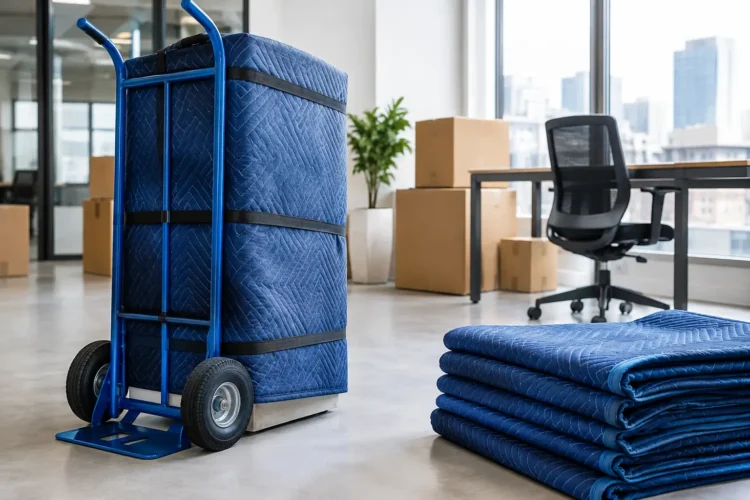
The removalists protect larger furniture, dismantle the agreed items and load the truck strategically. Heavy furniture and appliances are secured first, then cartons and fragile items are positioned to prevent movement in transit. Loose drawers, glass shelves and removable cushions are protected separately.
Before leaving Southbank, the couple does a final check of every room, cupboard, balcony, storage cage and mailbox area. This takes minutes and can prevent the frustrating discovery of a forgotten box after the truck has left.
At the Footscray apartment, the crew unloads room by room where practical. The bed frame is reassembled, the washing machine is placed in the laundry and labelled cartons go to their intended rooms. The couple does not need every item unpacked immediately. Their priority is having beds, essential kitchen items and daily-use furniture ready for the first night.
What affects the cost of an apartment move?
No two apartments have the same access, volume or handling needs, so a fair quote should reflect the actual job. For this example, the main cost factors are the amount of furniture, travel between suburbs, the number of movers required, service-lift bookings, parking distance and whether packing or dismantling is included.
Hourly pricing can work well for local moves where access and inventory are clear. It gives flexibility if the job is straightforward and the customer has packed properly. However, hourly work can become harder to predict when building access is uncertain, the loading area is far from the lift or extra items appear on the day.
A detailed quote should make the scope clear. Ask what crew size is recommended, what vehicle is being supplied, whether furniture wrapping and basic dismantling are included, and how waiting time or difficult access is handled. Transparent answers matter more than a low starting figure that leaves key costs unclear.
The avoidable problems in this move
This move stays on schedule because the couple avoids the common apartment mistakes. They do not assume the truck can stop anywhere outside the building. They do not leave lift reservations until the last minute. They do not pack oversized cartons that are unsafe to carry, and they do not expect movers to transport hazardous goods, loose plants or items that have not been disclosed.
They also take photos of any existing marks in lift areas and common property before work begins, where required by building management. This is not about expecting damage. It is a practical record that protects everyone if questions arise later.
Insurance and careful handling provide reassurance, but prevention remains the best approach. Clear access, protected furniture, trained movers and realistic timing reduce risk from the start.
When to add professional packing or extra help
For this couple, a standard moving crew with dismantling support is enough. A family with young children, a busy professional moving between lease end dates, or a household with valuable artwork may benefit from packing and unpacking assistance as well.
The same applies when an apartment has difficult access. A long walk from lift to loading zone, multiple basement levels or restricted lift hours can justify a larger crew. More movers can increase the hourly rate, but may reduce the total time on site. It depends on the property layout and how tightly the move needs to run.
Blaze Removals can help plan local Melbourne apartment moves with the right crew, vehicle and support services for the access conditions at both addresses. The most useful information to provide is simple: what is moving, which floor each property is on, how the lifts work and where the truck can park.
A successful apartment move is rarely about luck. Confirm the building rules, finish packing before the crew arrives and give your removalist the full picture. That preparation turns moving day into a practical job that gets done properly.