



A furniture removalist service review should tell you more than whether a crew arrived on time. It should show whether the mover gave clear information, handled belongings carefully, managed problems properly and charged what was agreed. When you are trusting someone with your sofa, appliances, workstations or family heirlooms, vague promises are not enough.
What a Furniture Removalist Service Review Should Cover
The most useful reviews describe the actual move, not just a five-star rating. Look for detail about the booking process, the accuracy of the quote, the crew’s care with furniture and the condition of items at delivery. A short comment saying “great service” is positive, but it does not help you judge whether the service suits a three-bedroom house move, a CBD office relocation or a heavy-item job.
Pay particular attention to reviews from customers with a move similar to yours. Someone moving a few boxes from a unit may have different needs from a family relocating with large furniture, stair access and fragile items. Likewise, an office manager needs evidence that a removalist can work to a schedule, protect equipment and minimise downtime.
A dependable removalist should make the job clear before moving day. That means asking practical questions about access, lifts, parking, large items, dismantling requirements and the destination. If a company provides a price without asking how the move will work, the quote may not reflect the real job.
Start With the Quote, Not the Headline Price
An attractive hourly rate can be useful, but it is only one part of the cost. A proper quote should explain how many movers are included, the vehicle size, minimum booking time and when travel time starts and finishes. It should also identify possible charges for stairs, difficult access, after-hours work, heavy items or extra services.
Fixed pricing can suit interstate moves or jobs where the inventory and access are well understood. Hourly pricing can work well for local Melbourne moves where the scope is straightforward. Neither option is automatically better. The right choice depends on how much certainty you need and how accurately the work can be assessed upfront.
Ask what happens if the move takes longer than expected. Delays are sometimes unavoidable – settlement times change, lift bookings run late and loading zones can be busy. What matters is whether the removalist explains the process, keeps you informed and records additional time transparently.
Check How Furniture Will Be Protected
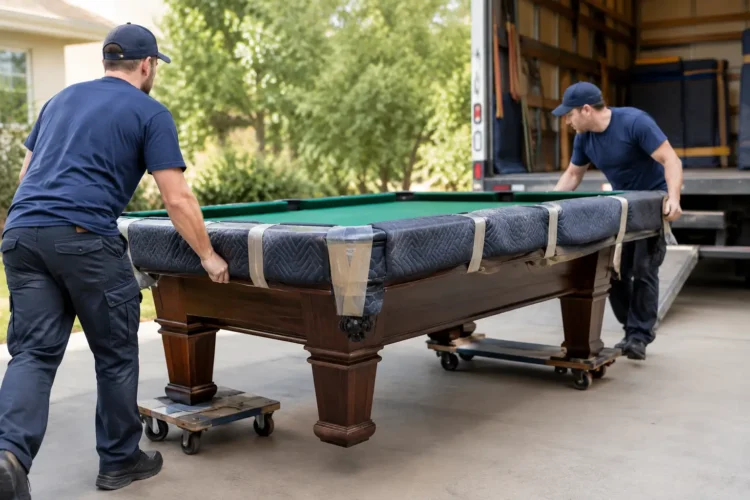
Furniture removals are not simply about getting items from one address to another. The handling process matters. Good reviews often mention blankets, wrapping, trolleys, straps and careful loading. These details show the crew arrived prepared rather than relying on speed alone.
For delicate, oversized or awkward items, ask direct questions before booking. A piano, pool table, glass cabinet, stone table or large modular lounge may require additional equipment, more crew members or a tailored plan. Trying to force a specialty job into a standard move can create avoidable risk and delays.
Protection also includes the properties themselves. A professional crew should take reasonable care around floors, walls, lifts and common areas. This is particularly relevant in apartments, offices and newer homes where marks and damage can become costly disputes.
Insurance should be discussed clearly as well. Do not assume every policy covers every item or circumstance. Ask what cover is available, what exclusions apply and what you need to do if damage is found. A removalist that is open about this is easier to deal with if something goes wrong.
Read Reviews for Accountability, Not Perfection
No service business can guarantee that every move will be completely free of complications. Traffic, weather, building access and last-minute changes can affect even well-organised jobs. A furniture removalist service review is most valuable when it shows how the company responded when conditions were not ideal.
Look for comments about communication. Did the office confirm the booking? Did the crew call ahead? Were customers told about delays? Were questions answered without being passed around? Clear communication lowers stress because you know what is happening and what decisions need to be made.
It is also worth reading how a business responds to criticism. A defensive or generic response tells you little. A practical response that acknowledges the issue, explains the next step and addresses it directly is a better sign of accountability. One poor review among many detailed positive experiences is different from a repeated pattern of missed appointments, surprise charges or careless handling.
The Crew Makes the Difference on Moving Day
The removalists at your door are the people doing the work, so reviews about crew conduct deserve extra weight. Professional movers should be punctual, organised and respectful of your home or workplace. They should assess access before lifting, communicate about fragile items and work as a team.
Speed matters, especially on an hourly booking, but rushing is not efficiency. A crew that takes a few minutes to plan difficult lifts, protect furniture and load the truck properly may prevent damage and wasted time later. The best jobs usually look controlled rather than frantic.
For commercial relocations, the crew should also understand the priorities of a working business. That may include staged moving, labelled workstations, careful transport of IT equipment and completing the job outside standard trading hours. If your business has a strict reopening deadline, raise it during quoting rather than assuming it will be covered.
Questions Worth Asking Before You Book
You do not need to interrogate every removalist, but a few clear questions can prevent the common problems. Confirm whether the quote includes the right number of movers, the appropriate truck size and any packing materials you need. Explain access at both properties, including stairs, lifts, loading bays, narrow driveways and parking restrictions.
Ask whether dismantling and reassembly are included if you have beds, desks or large furniture that will not fit through a doorway as assembled. Clarify whether packing and unpacking are available if time is short or you need help with fragile items. These services cost extra, but they can be worthwhile when they reduce the workload and protect valuables.
Finally, ask for the booking details in writing. Your confirmation should cover the date, arrival window, pricing basis, service scope and any special items. This gives both sides a clear reference point on moving day.
Match the Service to Your Move
A basic local move may only require a capable crew, a suitable truck and a transparent hourly rate. A larger home move can benefit from packing support, furniture dismantling and a more detailed plan. An interstate relocation usually needs firm collection and delivery arrangements, an accurate inventory and a fixed quote where possible.
There is no benefit in paying for services you do not need. Equally, choosing the cheapest option can be false economy if it leaves you arranging packing, access issues or specialty handling at the last minute. The aim is a service level that matches the size, complexity and time pressure of your move.
For Melbourne customers, this is especially relevant when moving through apartment buildings, busy streets or areas with limited parking. A removalist that plans ahead can reduce the risk of lost time and last-minute confusion.
Blaze Removals provides local and interstate moving support, with options for packing, furniture removals and specialist-item handling where the job requires more than standard transport. The practical step is to provide a full picture of your move when requesting a quote, so the crew and equipment can be allocated correctly.
A good move does not depend on luck. Read beyond star ratings, ask direct questions and choose the removalist that gives clear answers before your belongings are loaded.