



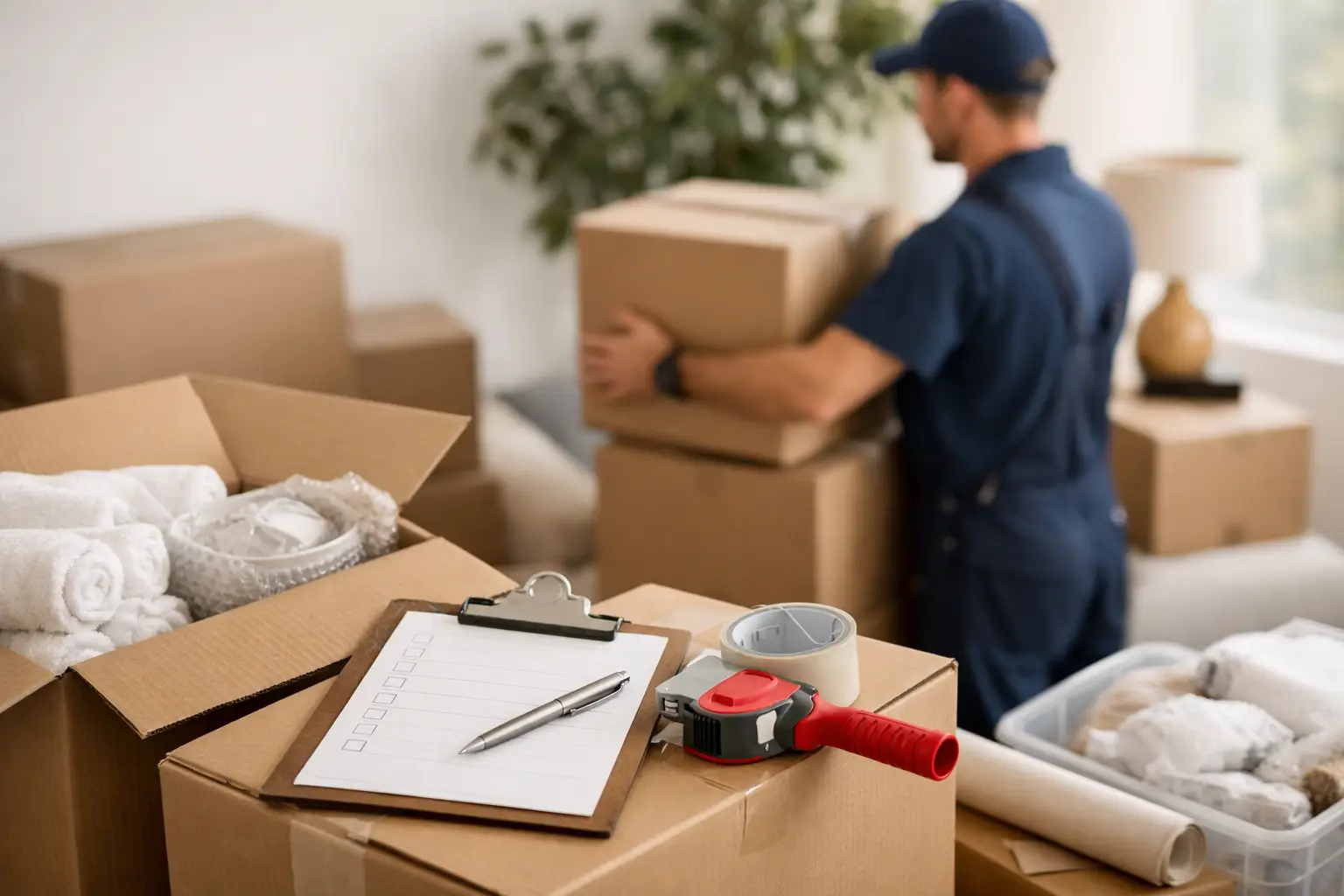
A move can fall apart before the truck arrives. A box packed too heavily can split, an unlabelled carton can disappear into the wrong room, and loose items can turn a quick unload into a long day. This removalist packing checklist gives you a clear plan to protect your belongings and keep moving day under control.
Start packing before the final week
Packing always takes longer than expected, particularly when you are sorting through cupboards, storage cages, sheds and children’s rooms. Start with the things you use least – books, spare linen, décor, out-of-season clothes and rarely used kitchen equipment. Leave daily essentials until the final few days.
Before buying boxes, take stock of what you are moving. There is no point paying to transport broken furniture, expired pantry food or items you have not used in years. Sell, donate, recycle or dispose of anything that will not be coming with you. Fewer items mean fewer cartons, less loading time and a more manageable move.
Book a hard-rubbish collection or make a trip to the tip early if needed. Do not leave rubbish bags, donation piles or dismantled furniture in the path to the front door. Removalists need clear access to work safely and efficiently.
Get the right packing materials
Strong boxes and proper protection make a real difference. Reused cartons can be useful, but only if they are dry, clean and structurally sound. Avoid overfilled supermarket boxes or damaged cartons that may collapse when stacked in the truck.
For most household moves, organise a mix of small and medium cartons, a limited number of large cartons for lightweight items, packing paper, bubble wrap, strong tape, permanent markers and labels. You may also need mattress covers, furniture blankets, stretch wrap and port-a-robes for hanging clothes.
Do not rely on newspaper for delicate white items, glassware or light-coloured fabrics. Ink can transfer. Clean packing paper is the better option. Towels, doonas and clothing can provide extra cushioning, but they should not replace proper wrapping for fragile possessions.
Room-by-room removalist packing checklist
Work through one area at a time and seal each completed box before beginning another. It keeps your home functional while you pack and makes it easier to see what still needs doing.
Kitchen and pantry
The kitchen is usually the slowest room to pack because it contains fragile, heavy and awkward items. Wrap plates individually, then stand them on their edge in a sturdy carton with cushioning at the base and top. Place heavier cookware in smaller boxes so nobody is forced to lift an unsafe load.
Use packing paper between glasses and fill empty spaces so items cannot shift in transit. Keep knives together, wrap the blades securely and label the box clearly. Empty and clean appliances before packing them, and check that all parts, cords and manuals are packed together.
Use up frozen and refrigerated food where possible. Transporting perishables depends on the travel time and conditions, but long moves are not the time to gamble with food safety.
Bedrooms and wardrobes
Pack off-season clothing first, then work towards your everyday clothes. Vacuum bags can save space for soft items, although they are not ideal for delicate garments that crease easily. Port-a-robes are a practical choice for suits, dresses and clothes that need to stay on hangers.
Place jewellery, cash, passports, medication, laptops and other high-value items in a personal bag that stays with you. Do not put these items on the removal truck. Take photographs of valuable belongings before the move, particularly if they have existing marks or damage.
Dismantle bed frames only if you are confident you can keep the fittings together. Put screws, bolts and small brackets into labelled bags, then tape the bag to the relevant bed frame or store it in a clearly marked hardware box. Never tape directly onto polished timber or delicate finishes.
Living areas and home office
Remove loose shelves, cables and accessories from entertainment units before the move. Photograph the back of your television, computer or modem setup before disconnecting it. That simple step can save a frustrating hour when you are trying to reconnect everything at the new place.
Use original boxes for televisions, monitors and electronics whenever possible. If you do not have them, use purpose-made cartons and adequate padding. Keep remotes, chargers and cables labelled by item or room.
Books are deceptively heavy. Pack them in small cartons, keep the weight manageable and fill any remaining space with lighter items such as cushions or linen. Large boxes full of books are difficult to lift and more likely to fail.
Bathrooms, laundry and outdoor areas
Secure the lids on liquids, place bottles inside sealable bags and keep cleaning products upright. Check whether any chemical products need special handling or disposal rather than transport. Bleach, fuels, gas bottles, paint, aerosols and other hazardous items may not be suitable for a removal truck.
Drain the washing machine and disconnect hoses before moving day, allowing time for the machine to dry. Empty the dryer lint filter. For outdoor furniture, clean and dry cushions before boxing them, and bundle long-handled tools safely. Lawn mowers and similar equipment should be emptied of fuel where required.
Label boxes for the person unloading them
Writing only “kitchen” on a carton is better than nothing, but it does not tell anyone how to handle it or where it belongs. Label the top and at least one side of every box. Include the destination room, a brief description of contents and handling instructions where needed.
For example, write “Kitchen – glassware – fragile – top load” rather than simply “Kitchen”. A numbering system can also help. Record “Box 4 of 12” for each room, then keep a basic inventory on your mobile or a notepad. This is especially useful for interstate moves, storage or large family homes.
Use “fragile” honestly. If every carton is marked fragile, the label loses its value. Reserve it for items that genuinely need extra care, and make sure those cartons are packed well enough to handle normal transport movement.
Prepare furniture and access before moving day
Empty drawers, cabinets and display units unless the furniture is designed to be moved with contents inside. Loose items add weight, can damage the furniture and may fall out while it is carried. Remove glass shelves and pack them separately.
Measure large furniture, doorways, stairwells and lifts before the move. A sofa that fits through your current entry may not fit through the new one. If access is tight, tell your removalist when requesting a quote so the right crew, equipment and timing can be arranged.
Reserve loading zones or lift access where required, particularly in Melbourne CBD apartments and busy complexes. Clear the driveway, footpath access and hallways. Keep pets and young children in a quiet, safe area away from the loading path.
Pack an essentials box and personal overnight bag
Your essentials should not be buried in a truck full of cartons. Pack one clearly marked box or bag for the first night, with toiletries, medications, phone chargers, basic tools, toilet paper, snacks, water, pet supplies and a change of clothes. Add kettle supplies, mugs and easy breakfast items if that will make the first morning easier.
Keep keys, tenancy documents, identification, moving paperwork and important contacts with you. If you are moving with children, include familiar toys, activities and comfort items. A settled child makes the whole day easier.
Final checks before the removalists arrive
Walk through every room, cupboard, garage, balcony and storage space. Check behind doors and under beds. Confirm appliances are empty, paths are clear and the essentials box is separate from everything else.
A practical final check includes:
- All cartons are sealed, labelled and safe to lift.
- Fragile items are wrapped, cushioned and clearly marked.
- Furniture has been emptied and any loose parts are secured.
- Dangerous goods, valuables and personal documents are not going on the truck.
- Building access, parking and lift arrangements are confirmed.
- Your mobile is charged and available throughout the move.
If packing is becoming the part of the move you cannot manage, professional packing support can be worth it. It depends on your timeframe, the number of fragile items and how much certainty you want on moving day. Blaze Removals can help with packing, furniture handling and transport, so you can focus on getting settled rather than chasing missing tape and half-packed boxes.
A well-packed home is not about making every carton look perfect. It is about keeping loads safe, making each room easy to unpack and giving your movers the clear access they need to do the job properly.